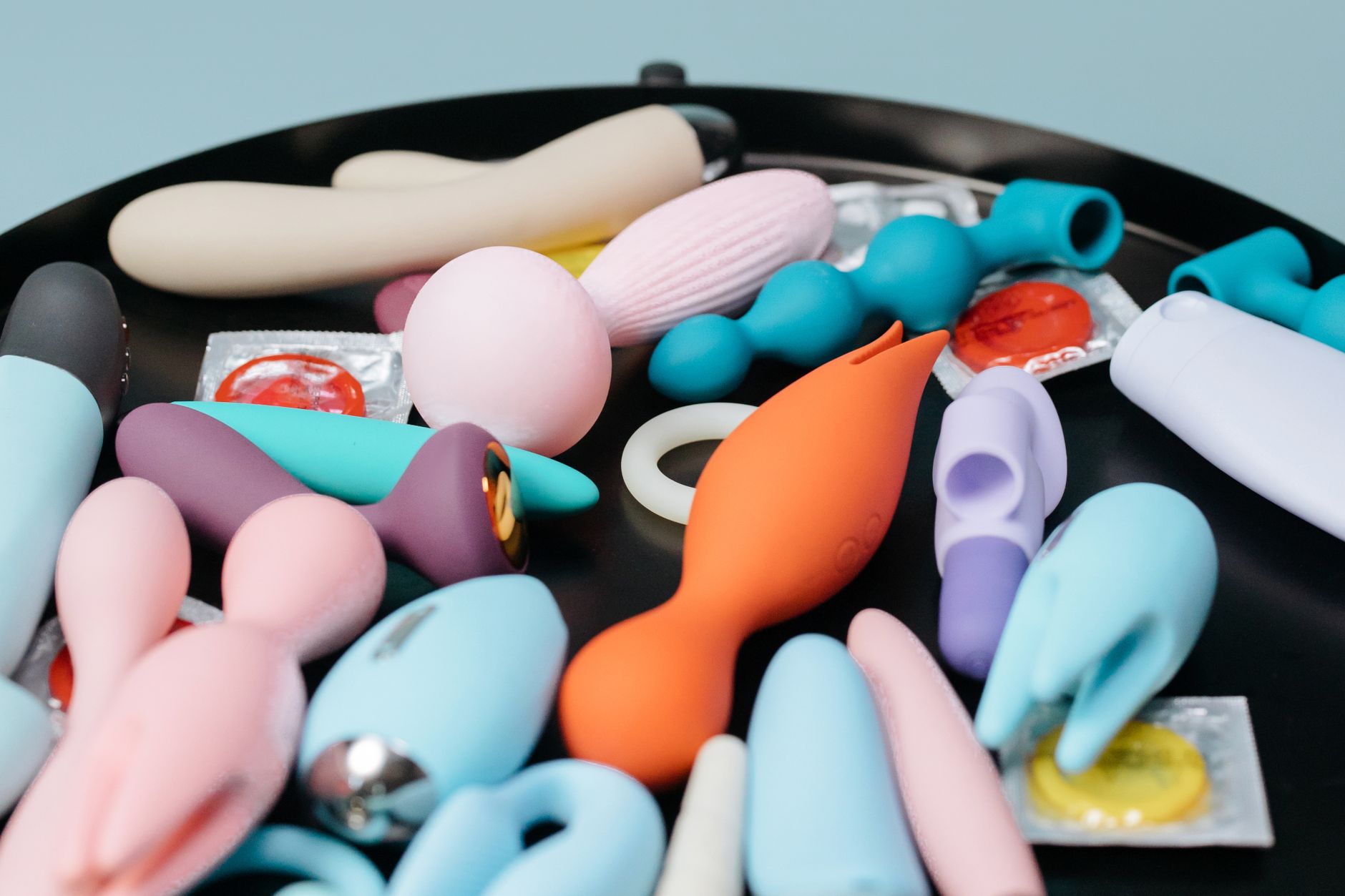
Here's the thing about orgasms and turning 40
Most people assume orgasms get weaker with age. You've heard it enough times: by 40, pleasure is supposedly on the downslope. Except that's not what the research shows. And it's definitely not what I see in my clinical work. Orgasm intensity, frequency, and satisfaction often improve after 40 once you understand what's actually changing.
The shift has nothing to do with capability and everything to do with physiology, awareness, and the tools you're using. Lemon vibrators, with their unique suction mechanism, expose something fascinating about how orgasms feel across different decades. Let's untangle this.
The 20s and 30s: rapid response, sometimes shallow satisfaction
In your 20s and early 30s, arousal is quick. Estrogen is high. Tissue is thick. The pelvic floor is taut and responsive. You can probably reach orgasm in under 10 minutes with the right stimulation, especially if you've been using vibrators for a while.
Here's what people don't talk about: quick arousal doesn't always mean better arousal. Many people in this phase report that while orgasms come fast, they're sometimes weaker or more surface-level than they'd like. The body is responding on autopilot. The mind is elsewhere. You're catching an orgasm in passing, not really feeling it.
When younger people first try a lemon vibrator (or any clitoral suction toy), they often report being surprised by the intensity. The suction mechanism bypasses the quick-response pathway and forces deeper engagement. Orgasms take longer to build but feel more whole. That's not because suction is "better." It's because suction demands attention in a way high-frequency vibration doesn't always require.
The 35-to-40 transition: when something shifts
Sometime in your mid-to-late 30s, you might notice arousal takes a tick longer. Not dramatically. Five extra minutes instead of 10 to get there. Tissue response feels subtly different. Your pelvic floor awareness sharpens (maybe from pregnancy, maybe just from aging, maybe from finally paying attention).
This is when many people reach for a lemon vibrator for the first time and experience revelation. The slower build matches the new reality of your body. Orgasms feel deeper because the mechanism itself creates a different kind of stimulation. This isn't a sign of declining capacity. It's a sign you've entered the phase where you're more aware of your own body and less tolerant of stimulation that doesn't actually satisfy.
Tissue thickness is still decent at 40. Estrogen hasn't collapsed. But the changes have begun, and they're working in your favor if you adjust your approach.
The 40-and-beyond phase: where it gets genuinely better
After 40, here's what happens: estrogen drops, which thins tissue slightly. The clitoris remains fully innervated (it doesn't lose nerve endings with age). Pelvic floor muscle tone often decreases, which can make orgasms feel less sharply intense but more expansive. The psychological load of fertility anxiety lifts.
Most importantly, you know your own body.
In my work with couples and individuals post-40, I see orgasms that are consistently more satisfying, longer-lasting, and more likely to chain (multiple orgasms without full de-arousal). People report feeling pleasure in ways they couldn't before because they've stopped performing and started experiencing.
Lemon vibrators perform distinctly differently in this phase. The suction mechanism, which can feel overstimulating to some younger users initially, becomes deeply satisfying. Thinner tissue is actually more sensitive to the gentle pressure of suction than to direct vibration. Orgasms often take 15-25 minutes to reach, but they arrive as full-body experiences rather than localized bursts.
Why sensation intensity isn't linear
You might think intensity would follow estrogen levels downward. It doesn't. Here's why.
Intensity is not one thing. It's frequency of contractions, depth of muscle engagement, duration, fullness of sensation, and psychological presence all at once. Different ages weight these differently. A 25-year-old might register intensity as "how fast did this happen." A 45-year-old might register it as "how completely did I leave my brain."
Attention changes everything. After 40, distraction drops. You're not mentally tracking your partner's response or your own performance. You're not timing the experience or worrying about how long it's taking. Focused attention intensifies sensation neurologically. Your brain literally perceives stimulation as stronger when you're paying full attention to it.
Tool selection matters. A lemon vibrator isn't better than a regular vibrator, but it works differently. If you've been using high-frequency toys your whole life, switching to suction at 40 can feel like the difference between static noise and a song. It's not that your pleasure capacity increased. It's that the mechanism changed to match the tissue and consciousness you now have.
What the data actually shows
Research on orgasm across the lifespan is still relatively thin, but studies consistently show the same pattern. Orgasm frequency can decrease slightly after 50 (usually due to partner availability, health factors, or lack of experimentation rather than biological inability). But orgasm satisfaction and intensity among people who are actively sexually engaged stay stable or improve through their 60s and beyond.
One small study on clitoral suction devices found that post-menopausal participants reported stronger orgasms with suction toys than with vibrators alone, which aligns with clinical observation. The shift isn't capability-related. It's mechanical and physiological.
Real differences across decades
Here's what actually changes when you're using a lemon vibrator across different ages.
In your 20s and 30s: Warm-up time is 5-10 minutes. Orgasms might arrive in 10-15 minutes of use. Sensation feels externally focused. You can orgasm multiple times in one session easily. Pattern preference tends toward higher frequencies. Recovery time is very short.
In your 40s: Warm-up might be 10-15 minutes (longer in early 40s, sometimes shortening again as you adjust). First orgasm might take 15-25 minutes. Sensation feels whole-body rather than point-focused. Multiple orgasms are possible but require mindful spacing. Lower patterns on a lemon vibrator often feel more satisfying than they would have a decade earlier. Recovery time is longer, but that's not a flaw—it's a natural shift toward presence.
After 50 (especially if menopausal): Warm-up time can extend further if estrogen is very low, though lubricant helps tremendously. Orgasms may take 20-35 minutes, but they're often the most complete and satisfying of your life. Sensation becomes exquisitely responsive to technique and positioning. A lemon vibrator's suction mechanism can feel revelatory because it doesn't require the forceful direct stimulation that thinner tissue sometimes finds uncomfortable. Orgasm quality often exceeds what came before.
Adjustments that matter by decade
In your 20s and 30s: If you're using a lemon vibrator and it feels less intense than your previous vibrator, don't assume it's weaker. Build your sessions longer. Let arousal have time to deepen. Try patterns 1-3 and explore, rather than jumping to the highest setting.
In your 40s: Invest in good lubricant even if you don't strictly need it yet. Slow down intentionally. A longer warm-up isn't a loss of function—it's an upgrade to how satisfied you feel afterward. Experiment with positions that allow for depth of sensation rather than surface stimulation.
After 50: If you're in menopause or perimenopause, a water-based lubricant becomes essential, not optional. Your pelvic floor might benefit from relaxation work alongside use (Kegels are good, but learning to release fully is equally important). Longer sessions with a lemon vibrator often reveal sensations you couldn't access with faster tools.
The comparison that actually matters
Honestly, comparing your orgasm intensity at 25 to your orgasm intensity at 45 is like comparing a sprint to a hike. One isn't better. They're different physical experiences with entirely different purposes and contexts.
What matters is whether you're satisfied. Whether pleasure feels accessible. Whether your tools and approach match your current reality. A lemon vibrator's suction mechanism tends to align beautifully with post-40 physiology because it works with tissue changes rather than against them. That's not because you got weaker. It's because you evolved.
Practical reality check
If you've been using high-frequency vibrators since your 20s and you're now in your 40s or beyond, don't assume a slower, suction-based tool means your sensitivity is fading. It usually means you're finally feeling stimulation the way your current body can best receive it. That's an upgrade in satisfaction, even if the orgasms don't announce themselves as loudly as they used to.
Your best orgasms are probably still ahead of you. Not because your body is the same. Because you know better how to use it.
People also ask
Do orgasms feel different after 40?
Yes, but "different" doesn't mean worse. Most research and clinical observation show that orgasm satisfaction stays stable or improves after 40, even if the physical mechanics shift. Estrogen drops, tissue responds differently, and the pelvic floor changes. But awareness increases, distraction decreases, and you stop chasing speed. Orgasms often feel fuller and longer-lasting, even if they take more time to arrive. Many people report that their best, most complete orgasms come after 40.
Why do lemon vibrators feel better after 40?
A lemon vibrator's suction mechanism is particularly well-suited to post-40 bodies because it creates a gentler, broader stimulation than high-frequency vibration alone. After 40, tissue is thinner and often more sensitive to gentle pressure. Suction also encourages deeper pelvic floor engagement and longer arousal build, which tends to produce more satisfying orgasms. It's not that your body can't feel vibration—it's that suction often aligns better with how your tissue and nervous system are responding at this age. That alignment increases overall satisfaction.
Can you still have strong orgasms after 40?
Absolutely. Clinical data shows that people who are sexually active after 40 often experience orgasms that are as strong as or stronger than younger years, just with a different quality. You might feel intensity as depth and duration rather than speed. You might find that a longer warm-up produces a more complete full-body release. Strength isn't disappearing—it's reorganizing into a form that can actually feel more satisfying to many people.
Does menopause affect how a lemon vibrator works?
Yes. During menopause, estrogen drops significantly, which thins genital tissue and sometimes reduces natural lubrication. A lemon vibrator's suction mechanism can actually feel more comfortable than high-frequency vibration because suction doesn't require the same amount of direct friction. You'll want to use water-based lubricant as a standard practice (not a sign of dysfunction—just smart adjustment). Many menopausal people find that lemon vibrators give them the most satisfying orgasms post-menopause because the mechanism matches their tissue reality.
Should I change my routine if I'm over 40?
Adjust rather than overhaul. Build in longer warm-up time. Use lubricant even if you didn't need it before (the benefit extends beyond lubrication—it reduces friction in a way that often feels better). Experiment with different patterns on your lemon vibrator rather than assuming you need more intensity. Pay attention to what feels good in your body now, not what worked a decade ago. Many people find that a slower, more intentional approach yields better orgasms than the faster habits of their 20s.
Is it normal for orgasms to take longer after 40?
Completely normal and actually quite common. Arousal time can extend slightly due to lower estrogen and shifts in nerve sensitivity. But this isn't a sign of dysfunction—it's a sign your body is responding more deliberately. Taking 20-30 minutes instead of 10-15 minutes often results in deeper, more satisfying orgasms. Speed was never the goal anyway. The goal is pleasure. For many people, pleasure deepens with time and attention, which happens naturally when you allow the process to unfold without rushing.