Here's what pelvic floor dysfunction actually does to pleasure
Let's start with the part nobody explains clearly. Pelvic floor dysfunction doesn't just cause pain or pressure during sex. It literally blocks sensation. When those muscles are locked tight, they squeeze the nerves and blood vessels that fire up arousal, orgasm, and pleasure. You can have all the desire in the world and your body just won't cooperate.
Most people think the fix is to tighten more. Kegels, pelvic physical therapy, all of it aimed at strength. But here's the thing: your pelvic floor is already working overtime. The problem isn't weakness. It's chronic tension.
Why traditional vibrators make it worse
A standard vibrator uses rapid, high-frequency vibration. It's exciting for a relaxed pelvic floor, but when you already have tension, it can trigger a guarding response. Your muscles tighten even more as a protective reflex. You end up working against your own body instead of with it.
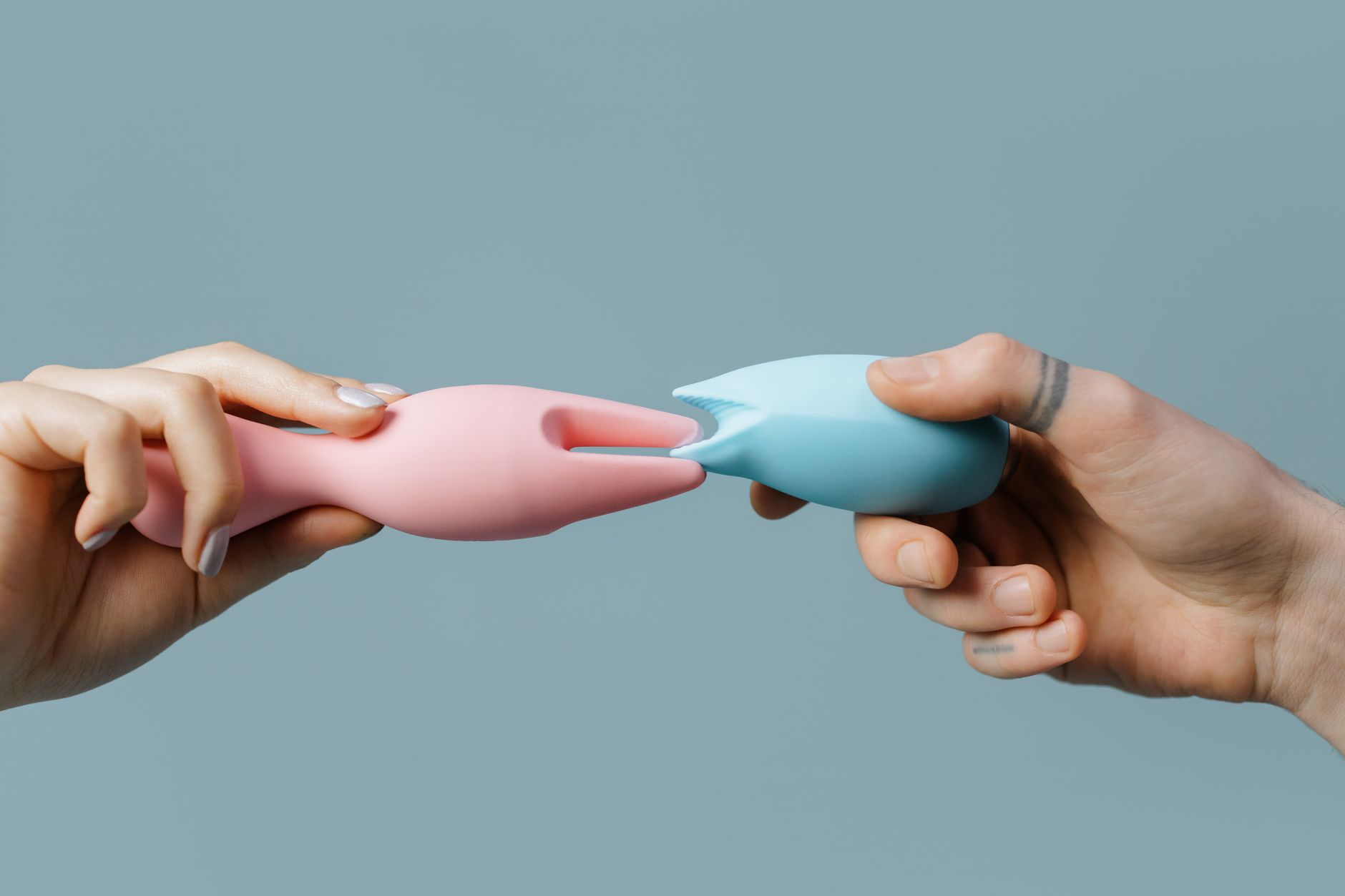
Lemon clitoral vibrators work on a completely different principle. Instead of vibration, they use air-pulse suction. That gentle rhythmic suction stimulates the nerve endings without the intense mechanical stimulation that triggers protective muscle tensing. It's the difference between someone startling you and someone calling your name gently.
The result: your pelvic floor can actually relax while you're building pleasure.
How suction stimulation bypasses pelvic floor tension
When you use a lemon vibrator, the suction action creates a pulling sensation rather than the pushing sensation of traditional vibration. This activates different sensory pathways in your clitoris. Your brain registers pleasure without the alarm bells that tight muscles throw up when they feel intense pressure.
There's also a gentle pressure involved that can actually signal safety to your nervous system. Think of it like the difference between a massage that overwhelms you and one that helps you relax. The rhythm and consistency of lemon suction toys creates a predictable, manageable sensation that allows your pelvic floor to gradually release rather than clench.
For people with diagnosed pelvic floor dysfunction, this distinction matters. You're not trying to push through pain or white-knuckling your way to pleasure. You're working with your body's actual signals.
The exact technique that changes everything
Here's what I recommend to clients with pelvic floor tension:
Start with the lowest setting. Seriously. Pattern 1 on a lemon vibrator is nothing like the starter setting on a bullet. You're going for sensation, not intensity. Place it directly on your clitoris and just sit with it. Don't chase orgasm. The goal right now is to teach your nervous system that this sensation is safe.
Take 15 to 20 minutes. Your pelvic floor won't release in 90 seconds. Tension that's built up over months or years needs time to unwind. Use that time to breathe deeply and notice what's happening without judgment.
When you feel your muscles tightening, pause. Don't push through. This is the key difference from traditional sex therapy approaches. Instead of fighting the tension, you acknowledge it and back off slightly. This teaches your pelvic floor that you're listening to it, that sensation doesn't have to mean pain or intensity.
If you're working with a partner, they can be present without it being about them. You're reconnecting with your own sensation. That's the primary goal.
Why sensation comes back slowly (and that's actually good news)
Missing sensation after pelvic floor dysfunction isn't usually permanent nerve damage. It's usually protective numbness. Your body shut the volume down because the signal was painful or overwhelming. Turning it back up is a gradual process.
With lemon clitoral vibrators, many people start noticing changes in the first few weeks. Not necessarily orgasms. Just more sensation. More awareness. Your clitoris coming back online. That's progress.
The reason progression is slow isn't failure. It's your nervous system learning to trust again. The more time you spend with gentle, predictable sensation, the safer your body feels, and the more it opens up.
This is different from what happens with intense traditional vibrators, which can sometimes keep your pelvic floor locked because the stimulation feels threatening to a system that's already in protective mode.
When to also see a pelvic floor physical therapist
A lemon vibrator is a powerful tool, but it works best alongside professional support. A pelvic floor physical therapist trained in relaxation techniques, not just strength work, can teach you how to release the tension that's blocking sensation in the first place.
That might look like internal massage, breathing work, or biofeedback. The combination of professional release work plus gentle sensation work with a clitoral vibrator creates real change. You're addressing both the physical tension and your nervous system's response to it.
If pain is part of your picture, this becomes even more important. Pain and sensation are tangled together when pelvic floor dysfunction is involved. You might need someone who specializes in that specific intersection.
The partner conversation that actually helps
If you're in a relationship, the temptation is to frame this as something you're working on for your partner's benefit. That's backwards and it will undermine you. You're working on this for yourself. Your pleasure matters.
What you might tell your partner: "I'm doing some work on my own sensation with a tool designed for this. It's not about us right now. It's about me learning what feels good again." That's it. How to talk to your partner about a lemon clitoral vibrator covers the deeper conversation if you want to bring them in later.
Many people find that solo work comes first. You rebuild your own sensation, your own pleasure response, your own sense of agency. Then, if the relationship is good, that foundation makes partnered sex better too.
Lemon suction versus other approaches for dysfunction
You might also be considering pelvic floor physical therapy alone, or medications, or other devices. Here's how lemon vibrators fit in the toolkit.
Physical therapy addresses the muscular tightness. It's essential. A lemon vibrator addresses your nervous system's response to sensation and helps you rebuild your own arousal pathways. They're complementary, not competing.
Some people find that as they do the physical work, a gentle lemon vibrator helps them practice the relaxation they're learning. Others use it as their main tool for sensation recovery while doing physical therapy in parallel. There's no single right order.
The key is that suction-based lemon clitoral vibrators offer something traditional vibrators don't: a way to build sensation without triggering protective muscle guarding. That's the specific advantage for pelvic floor dysfunction.
What success actually looks like
Success isn't bouncing back to how you felt before. It's rebuilding sensation in a way that feels sustainable and true to your body right now.
For some people, that means regular, consistent pleasure. For others, it means the flexibility to have good days and harder days without it spiraling into shame or disconnection. For many, it means being able to touch your own body without pain getting in the way.
The work is gradual. It's not flashy. But it's real, and it works. Your pelvic floor didn't tighten overnight, and it won't fully release overnight either. What matters is that you're moving in the right direction, with tools that work with your body instead of against it.
FAQ
Can a lemon vibrator actually help pelvic floor dysfunction, or is it just marketing?
Lemon vibrators work because they use suction instead of vibration. That's a mechanically different stimulus that doesn't trigger the protective muscle guarding that traditional vibrators do. It's not a cure, but it's a real tool for sensation recovery. If you have diagnosed dysfunction, combine it with physical therapy for the best results.
How long until I feel a difference?
Sensation changes usually show up in the first 2-4 weeks if you're using the device consistently. That might just be noticing more awareness in your clitoris, not necessarily orgasms. Major improvements in pelvic floor tension typically take 2-3 months of regular use alongside physical therapy.
Should I use a lemon vibrator before or after pelvic floor physical therapy?
Either works, but the combination is what creates real change. Many people do physical therapy first to release acute tension, then use a lemon vibrator to rebuild sensation and neural pathway during the maintenance phase. Some use them in parallel. Ask your PT what makes sense for your specific situation.
Can I use it if penetration is painful due to pelvic floor dysfunction?
Yes. A lemon vibrator focuses on external clitoral stimulation, so it completely bypasses internal muscle tension. This makes it a safer entry point for pleasure while you're working on the deeper tension. That said, if penetration itself is painful, you probably need professional pelvic floor assessment too.
What if suction feels too intense for my sensitive tissue?
Start on the absolute lowest pattern and build from there. If it still feels overwhelming, you can also use a thin fabric over your clitoris to diffuse the sensation, or experiment with positioning it slightly off-center. The whole point is gentle, predictable stimulus. If it's not feeling that way, adjust.
Is a lemon vibrator better than a traditional vibrator for pelvic floor issues?
For pelvic floor dysfunction specifically, yes. The suction mechanism doesn't trigger protective muscle guarding the way vibration often does. That said, if you've had success with another toy, don't abandon it. The best tool is the one that actually helps you rebuild sensation without causing pain or tension.
References
If you're looking to understand the physiology better, the work of physical therapists specializing in pelvic floor dysfunction (like Stephanie Prendergast and Liz Miracle) offers excellent evidence-based frameworks. The distinction between protective muscle guarding and weakness is critical to effective treatment. Your doctor or PT can recommend research-backed resources specific to your situation.