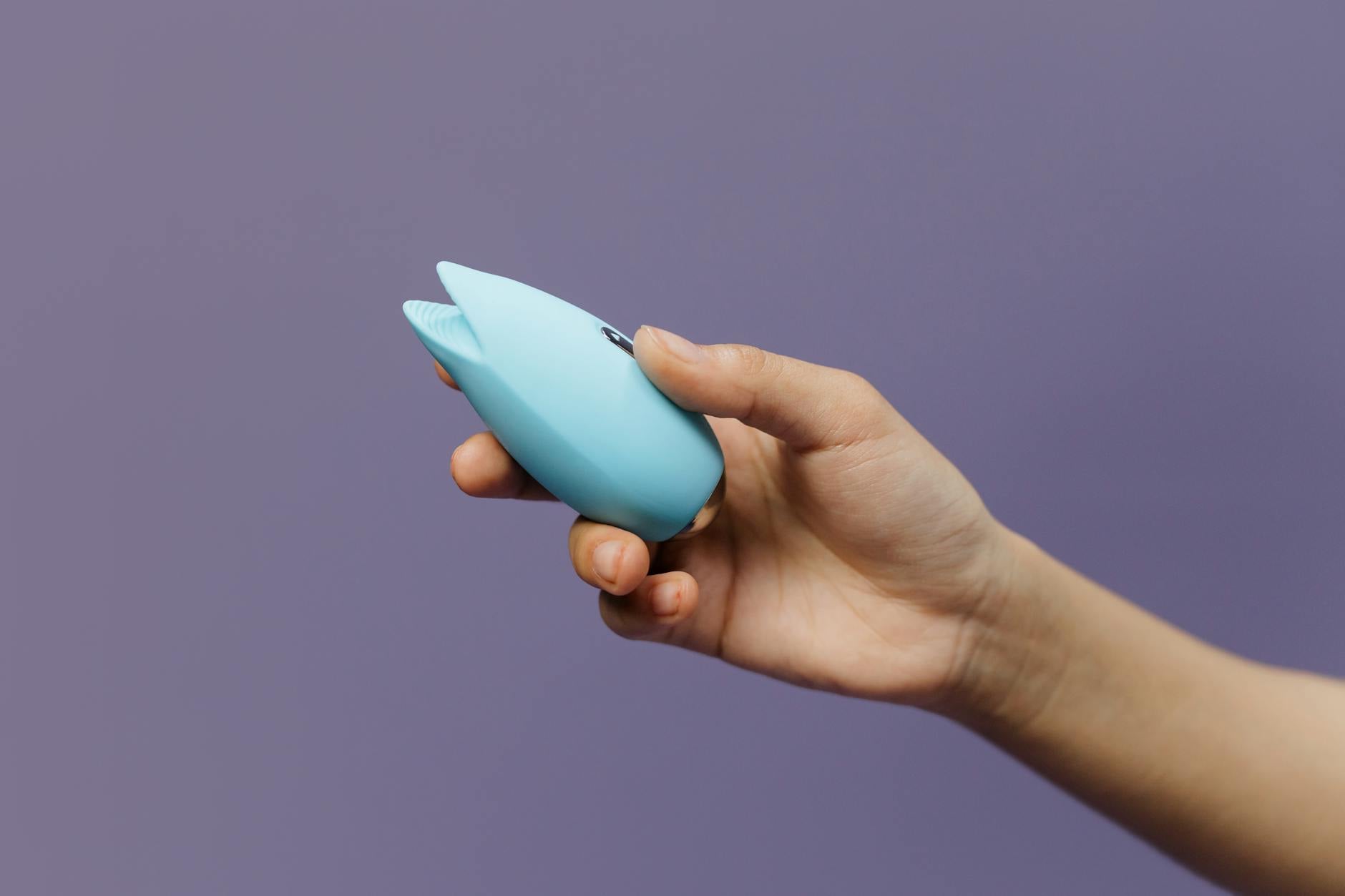
How hormones quietly reshape your clitoris
Let's be real. Nobody tells you that hormonal changes affect clitoral sensitivity the same way they affect everything else. Your clitoris isn't separate from your endocrine system. It's packed with hormone receptors, and when estrogen, progesterone, or testosterone shift, the entire nerve network responds.
That's not a failure on your part. That's biology doing its job.
What actually happens when hormones change
When you stop hormonal birth control, enter perimenopause, or experience a major hormonal event, three specific things change in clitoral tissue:
1. Nerve sensitivity fluctuates. Estrogen affects how quickly nerve signals fire. Lower estrogen means slower signal transmission, which can feel like numbness or delayed response time. This isn't permanent, but it feels disorienting while it's happening.
2. Blood flow patterns shift. Arousal depends on blood flooding into erectile tissue. Hormonal changes can make blood vessel dilation less responsive or slower to trigger. You might need more time, more direct stimulation, or different types of touch to get the same result you had before.
3. Tissue composition changes. Thinner, more delicate tissue can feel more sensitive to pressure but sometimes less responsive to vibration alone. This is why many people find that after hormonal changes, traditional vibrators feel either too intense or weirdly distant.
Here's what doesn't change: your clitoris has 8,000 nerve endings. That number stays constant. What changes is how easily they fire.
Why lemon vibrators work differently for post-hormonal sensitivity
Lemon clitoral vibrators, also called lemon suckers or air-suction devices, operate on a completely different mechanism than traditional vibration. Instead of direct oscillation, they create rhythmic suction and release patterns that stimulate the entire clitoral complex, not just the surface.
This matters post-hormonal change for one key reason: suction works through pressure and release, which engages deeper nerve clusters that respond differently than surface nerves to hormonal shifts.
When your clitoris feels numb or delayed after stopping birth control, starting it, or moving through perimenopause, suction stimulation often works better because it:
- Engages the internal clitoral structure, not just the external tip
- Creates variable sensation (pulse, rhythm, pressure) that rewards slower arousal buildup
- Produces a chain reaction of nerve firing rather than requiring constant input
- Feels less harsh on tissue that's already dealing with hormonal adjustment
Think of it this way. Traditional vibration is like knocking on a door. Suction is more like slowly opening it. When hormones have made your sensitivity threshold unpredictable, the second approach often works.
The timeline for clitoral sensitivity recovery
How long does it take for your clitoris to "wake up" after hormonal change?
If you've just stopped birth control, expect 3 to 6 months for your body to recalibrate. That's roughly how long it takes your endocrine system to adjust and for sensitivity patterns to stabilize. Some people see shifts in weeks. Others take longer. This isn't linear.
If you're in perimenopause, the timeline is messier because hormones are in flux constantly. Sensitivity might improve one month and feel distant the next. Using a lemon clitoral vibrator during this time helps because you're not fighting against the fluctuation. You're working with it.
With sensitivity recovery in mind, here's what helps: consistency, not intensity. Using a lemon vibrator 2 to 3 times weekly during the adjustment period trains your nervous system to re-engage with pleasure without demanding that everything suddenly work like it used to.
How to rebuild sensitivity safely
Four practical steps to restore clitoral responsiveness after hormonal change:
Start at lower settings. If you're moving to a lemon clitoral vibrator from traditional vibration, begin at pattern 1 or 2. Your clitoris isn't broken. It just needs a gentler introduction while it recalibrates.
Extend your warm-up. Give yourself 15 to 25 minutes before direct clitoral stimulation. This isn't lazy. It's how blood flow gets where it needs to go. Foreplay isn't foreplay because it feels nice. It's foreplay because it's literally preparing your vascular system for sensation.
Map your current sensitivity. Spend one or two sessions just exploring where sensation lives right now. You might find that your clitoris responds better in certain patterns or at certain times of day. Honor that. Post-hormonal sensitivity is often localized or cyclical. Work with it instead of against it.
Track what works. Keep a simple note of which patterns, times, and contexts produce the best response. After a few weeks, patterns emerge. Maybe you respond better mid-cycle. Maybe evening works better than morning. Maybe pattern 3 works but pattern 4 feels too intense. That information is gold.
When to reach out for help
If you've been managing clitoral sensitivity changes for 6 months and nothing is shifting, or if sensation is completely absent rather than just muted, talk to a healthcare provider. Sometimes hormonal changes unmask underlying issues that benefit from treatment. Genital sensation can be affected by thyroid shifts, blood pressure medication, or undiagnosed nerve concerns. None of this is your fault, and most of it is treatable.
Also worth knowing: if you're on antidepressants that affect sexual sensation, lemon vibrators are often helpful because they don't require the same baseline sensitivity as traditional vibrators. The suction mechanism can work even when sensation feels deeply muted.

Photo by FounderTips on Pexels
The emotional piece nobody mentions
Clitoral sensitivity changes after hormonal shifts can trigger real grief. You lose something you knew how to do. Your body stops responding the way it used to. That's not shallow or vain to mourn. It's human.
The shift from traditional vibrators to lemon suction devices often comes with a hidden emotional benefit. It gives permission to re-learn your own pleasure. You're not trying to force your clitoris back to "normal." You're discovering what responsive actually feels like now. That's psychologically different from just waiting for sensitivity to return.
If you're working with a partner through this, the conversation is clearer when you have tools that work. "My clitoris needs different stimulation right now" is easier to say when you've actually found what works. It shifts the dynamic from "something's wrong" to "here's what feels good."
Why lemon clitoral vibrators are specifically worth trying
If you're rebuilding clitoral sensitivity after hormonal change, a lemon clitoral vibrator isn't a luxury. It's a practical tool matched to your current biology. The lem vibrator technology creates sensation that works with reduced blood flow, fluctuating nerve response, and variable tissue thickness. This is exactly what post-hormonal clitorises need.
You're not settling for less sensation. You're working with what's actually happening right now.
Frequently asked questions
How long does it take for clitoral sensitivity to return after stopping birth control?
Most people see noticeable shifts within 3 to 6 months, but this varies widely. Your endocrine system needs time to recalibrate hormone production after years of suppression. Some people feel changes in weeks. Others take longer. Sensitivity often returns gradually rather than suddenly, which is why tools like lemon vibrators help during the transition. Using them consistently trains your nervous system to re-engage without demanding that everything snap back to baseline immediately.
Can hormonal birth control permanently reduce clitoral sensitivity?
No, but the changes can feel permanent while you're in the middle of them. Hormonal birth control suppresses ovulation and shifts your endocrine balance. This affects clitoral blood flow and nerve responsiveness for as long as you're on it. Once you stop, your body gradually recalibrates. That said, if you've been on hormonal birth control for years and your clitoris feels deeply numb, it can take a while for sensitivity to fully return. Lemon clitoral vibrators help bridge that gap by working with reduced baseline sensation rather than demanding more.
Do lemon vibrators work better than traditional vibrators for hormonal sensitivity changes?
They work differently, not necessarily better. Traditional vibrators rely on baseline clitoral sensitivity and blood flow. Lemon suction vibrators create sensation through rhythmic pressure and release, which engages deeper nerve clusters. For many people navigating post-hormonal changes, the suction mechanism feels more responsive because it doesn't require the same level of initial sensitivity to trigger arousal. But some people still prefer traditional vibration. The best device is the one that actually produces sensation for your current body, which might be different from what worked before.
Is reduced clitoral sensitivity after perimenopause normal?
Completely normal. Perimenopause involves years of hormonal fluctuation. Estrogen and testosterone both drop gradually, and neither hormone stabilizes until several years after your last period. This affects clitoral tissue thickness, blood flow patterns, and nerve responsiveness. You might have weeks where sensitivity feels normal and weeks where it feels distant. This isn't a sign of dysfunction. It's your body adjusting to a major hormonal shift. Using lemon vibrators during perimenopause helps because you're not fighting the fluctuation. You're working with it.
Why does my clitoris feel numb but not painful after hormonal changes?
Numbness without pain usually means reduced nerve signaling, not nerve damage. Hormonal changes affect how quickly nerve signals fire and how easily blood vessels dilate. You have full sensation capacity, but the signal transmission is slower or less responsive. This is temporary and improves over time, especially with consistent stimulation. Tools like lemon clitoral vibrators help by creating sensation through multiple pathways. Even if your clitoris feels distant, the suction mechanism can still engage deeper nerve clusters.
Can I use a lemon vibrator right after stopping hormonal birth control?
Yes, and many people find it helpful. Your clitoris is likely to feel less responsive immediately after stopping birth control because your endocrine system hasn't yet recalibrated hormone production. Starting with a lemon vibrator at low settings (pattern 1 or 2) gives your clitoris gentle stimulation during the adjustment period without harsh pressure. This trains your nervous system to re-engage with pleasure as hormones stabilize. Stick with lower patterns for the first few weeks, then gradually increase as sensitivity returns.
Rebuilding pleasure isn't about going backward
Clitoral sensitivity changes after hormonal shifts, but it doesn't disappear. It recalibrates. The lemon vibrators available through My Lems are designed for exactly this moment. They work with your current body, not against it. You're not waiting for your clitoris to "go back to normal." You're discovering what responsive feels like now.
That's actually better. For more guidance on adjusting to sensitivity changes, reach out and we'll help you find what works.
Sources
- Goldstein, I., et al. (2016). "Women's Sexual Function and Dysfunction: Study, Diagnosis, and Treatment." The Journal of Sexual Medicine, 13(5), 665-688.
- Brotto, L., & Yule, M. (2017). "Asexuality: Sexual Orientation, Paraphilia, or Sexual Dysfunction?" Archives of Sexual Behavior, 46(3), 619-627.
- Burrows, L. J., et al. (2012). "The Effects of Hormonal Contraceptives on Female Sexuality." The Journal of Sexual Medicine, 9(9), 2213-2223.
- Nappi, R. E., & Kokot-Kierepa, M. (2012). "Vaginal Health." The Journal of Sexual Medicine, 9(3), 761-769.