The shift nobody explains until it's too late
Let's be real: hormonal changes mess with vaginal lubrication and tissue thickness in ways that make your old go-to toys suddenly feel wrong. Not wrong in a moral sense. Wrong in a physical sense. Your body changed. Your toy didn't. And suddenly you're struggling to feel what used to feel electric.
This happens during perimenopause, after coming off hormonal birth control, following childbirth, during breastfeeding, and even during high-stress periods when cortisol tanks estrogen. The common thread: less estrogen, thinner vaginal tissue, less natural lubrication, and reduced sensitivity in the clitoral complex.
The good news is that sensation comes back. And the better news is that lemon clitoral vibrators like the Lem work with these changes instead of against them.
Why traditional vibrators stop working when hormones shift
Classic bullet vibrators and wand vibrators rely on direct friction and sustained intensity to trigger sensation. They're designed for thicker, more lubricated tissue that can handle strong, repetitive pressure without irritation.
When estrogen drops, your clitoral tissue gets thinner. The skin covering the clitoral body becomes more delicate. The tissue underneath has less blood flow. That direct hammering pressure that used to feel amazing now either feels numb or, worse, uncomfortable.
You crank the intensity, hoping to feel something. Nothing happens. Or it hurts. You assume your pleasure is broken. It's not. Your toy is just the wrong tool for your body right now.
How lemon suction vibrators work differently
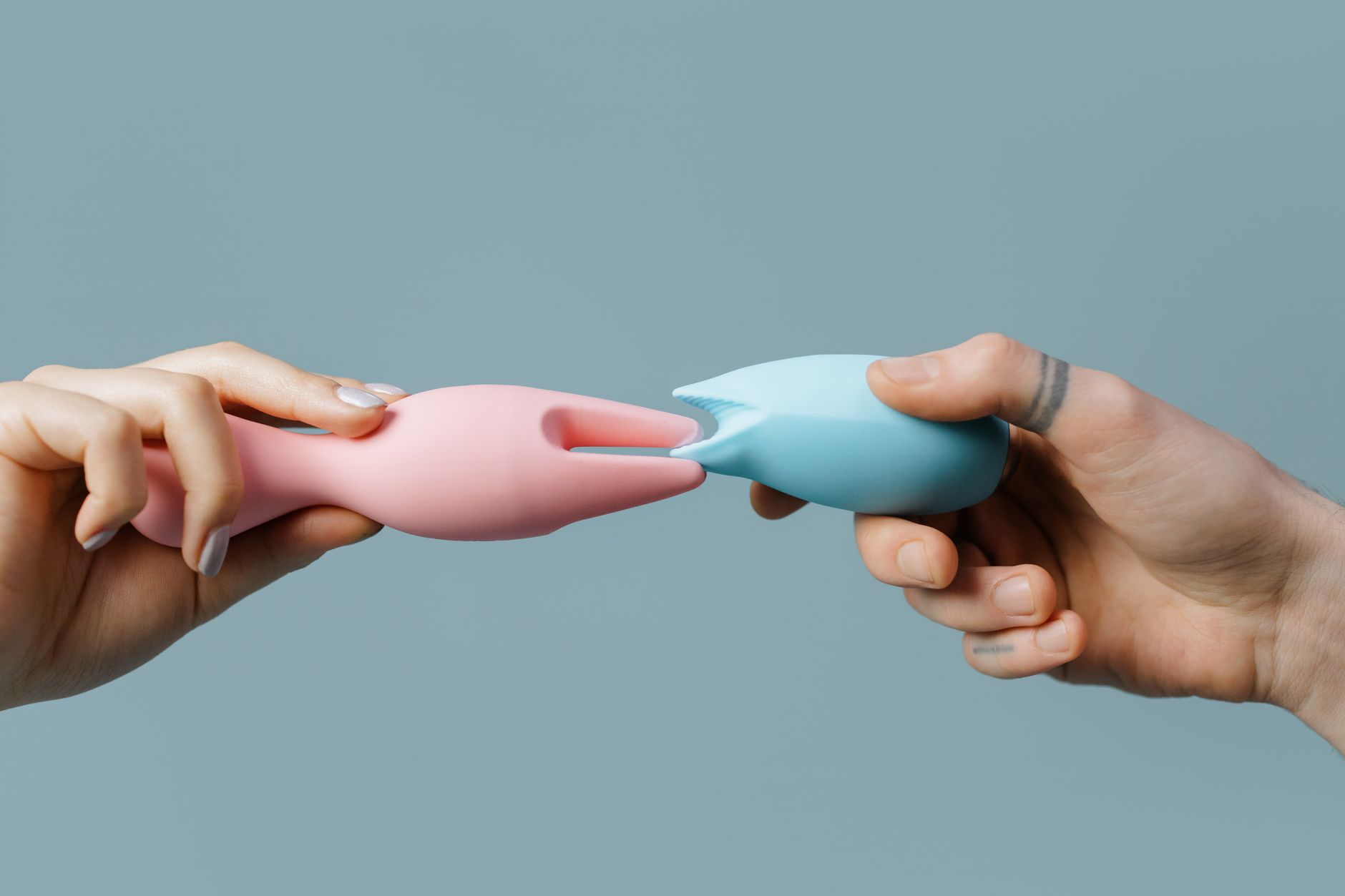
Lemon vibrators use gentle suction instead of direct friction. The Lem, for example, creates a soft pulse around the clitoral head rather than vibrating against it. This approach changes everything when tissue is sensitive or thinned.
Here's why: suction stimulates the network of nerves around the clitoris without requiring the same mechanical pressure. You're creating a vacuum seal that draws tissue into the cup. The vibration happens inside that sealed space. The result is broader, deeper stimulation that doesn't depend on the tissue being thick enough to handle direct contact.
Most people feel sensation return faster with a lemon clitoral vibrator because the stimulation pattern matches what thinner tissue can actually respond to. It's not about intensity. It's about delivery method.
The tissue recovery timeline and what to expect
How long until sensation comes back depends on what caused the dryness. After stopping birth control, most people notice improvement within 3 to 6 weeks as estrogen stabilizes. During perimenopause or menopause, the timeline is longer. Consistent stimulation actually helps. Using a lemon vibrator regularly can accelerate nerve responsiveness.
Here's what happens: your body recognizes the gentle stimulation as safe. Blood flow to the area increases. Over days and weeks, the tissue gradually thickens again (if hormones stabilize) or your nervous system simply becomes more sensitive to the suction pattern. Many people report that their first orgasm back feels different. Sometimes shallower. Sometimes more concentrated in one spot. Both are completely normal.
One thing I tell my clients: don't expect to feel exactly what you felt before. Your body isn't broken. It's just recalibrating.
Lubrication matters more now (and that's okay)
When hormones shift, your body makes less natural lubrication. Adding a water-based lube isn't cheating or a sign something is wrong. It's honest biology.
A lemon vibrator works beautifully with lubricant because the suction doesn't rely on friction. You're not trying to slide anything. You're creating a seal. A bit of lube makes that seal more comfortable and helps the sensation feel less raw.
I recommend starting with a water-based lube (silicone-based lubes can degrade silicone toys, and most lemon vibrators are silicone). Apply it to the cup opening, not just your body. Let the toy draw you in gently. The combination of suction and glide usually triggers sensation faster than suction alone.
Many of my clients who switched from traditional vibrators to lemon clitoral toys report needing less lube over time as tissue sensitivity improved. The suction was enough. But in the early weeks or months, more lube is your friend.
Building the habit that brings sensation back faster
Consistency matters more than intensity when you're rebuilding arousal after hormonal changes. Using a lemon vibrator once a week will show slower progress than using it three or four times a week.
Why? Because regular stimulation keeps blood flowing to the tissue, signals the nervous system that sensation is safe, and helps your brain and body rebuild the arousal pathway. It's like physical therapy for pleasure.
I usually suggest starting at pattern one or two on the Lem (if you're using a lemon suction toy) and spending 15 to 25 minutes exploring. You're not racing to orgasm. You're letting your body remember what sensation feels like. Some sessions you'll feel a ton. Others, almost nothing. That's normal. The progress happens in the aggregate, not in any single session.
When to add other stimulation alongside lemon vibrators
Once you're a few weeks in and starting to feel more, you might want to layer in additional touch. Some people find that combining clitoral stimulation (with the lemon vibrator) with vaginal or internal sensation helps reawaken the whole complex faster.
This is where having a partner matters, but it's not essential. You can do this alone. The point is to send multiple signals to your nervous system at once. Your body learns that pleasure is multidimensional, not just clitoral. Many of my clients report that this combination approach cuts the recovery timeline by half.
Just remember: if anything hurts, stop. Sensation rebuilding should feel good, even if it feels subtle at first. Pain is a sign something is off, not a sign you need to push harder.
Common mistakes people make when sensation is returning
Three things I see repeatedly: expecting too much too fast, comparing their current experience to their pre-hormonal-shift experience, and giving up after two or three sessions.
Sensation doesn't return in a straight line. You might feel amazing on Monday and almost nothing on Thursday. That's fine. Your nervous system is sensitive right now. Stress, sleep, where you are in your cycle (if you still cycle), and even hydration affect sensitivity.
The second mistake ruins people's confidence. Of course it feels different now. Your body is different. That's not worse. It's just different. Many women report that sensation eventually becomes more localized, more intense, and actually easier to access than it was before the hormonal shift. That's not platitude. That's a real clinical pattern.
The third mistake kills momentum. Most people need at least four to six weeks of regular use before they feel a clear shift. Giving up after one week is like going to the gym once and expecting a six-pack.
If sensation isn't improving after eight weeks
If you've been using a lemon vibrator consistently for two months and you're feeling no improvement, there's probably something else going on. This could be related to medications (some antidepressants, blood pressure meds, and antihistamines tank sensation), thyroid issues, pelvic floor tension, or other hormonal conditions.
Talk to your doctor. A good menopause-trained GP or gynecologist can run basic blood work to rule out thyroid problems or other hormonal issues. And if pelvic floor tension is the culprit, a pelvic floor physical therapist can actually fix that in weeks.
The combination of a lemon clitoral vibrator with physical therapy is incredibly effective. You're addressing both the stimulation side and the muscle tension side at once.
The mental piece is as important as the physical piece
When sensation drops, a lot of people internalize it as a personal failing. Like their body betrayed them. That story is worth naming and letting go of.
Your body didn't fail. Your hormones shifted. That's biology, not a referendum on your capacity for pleasure. And you're not less sexy because you need a different kind of toy now. You're just matching your tool to your tissue.
I've worked with hundreds of people through hormonal transitions. The ones who recover sensation fastest aren't the ones with the strongest body. They're the ones who stay curious, keep trying, and don't load the experience with shame.
A lemon vibrator is a really smart choice during this phase because it requires less work from your body. You're not fighting against friction. You're not cranking intensity. You're using a tool that meets your tissue where it is right now. That alone often shifts the mental load.
Your body isn't broken. It's just rebuilding. Lemon vibrators work with that process instead of against it.
Recommended next steps
If you're dealing with hormonal dryness right now, here's what actually helps: pick up a water-based lube, give yourself permission to explore slowly over weeks (not days), and consider whether a lemon clitoral vibrator might work better than your current setup. The Lem is designed specifically to work with sensitive or thinner tissue. Many people find it's the only toy that feels good during hormonal transitions.
You might also find it helpful to read about how lemon vibrators compare to traditional options in different situations. Understanding the mechanics helps you trust the process.
Most importantly: sensation comes back. Not always the same. Often better. But only if you're willing to meet your body where it is now and use tools designed for this phase of life.
People also ask
How long does it take for sensation to return after hormonal changes?
It depends on the cause. If you've stopped hormonal birth control, most people notice improvement within 3 to 6 weeks as estrogen levels stabilize. If you're in perimenopause or menopause, the timeline is longer, often several months. Consistent stimulation with a lemon vibrator can speed this up. The key is regular use (three to four times per week) over at least six to eight weeks. Your nervous system needs repeated signals that sensation is safe and rewarding.
Can lemon vibrators help if hormonal medication is causing dryness?
Yes, often. If you're on birth control, hormone replacement therapy, or even some psychiatric medications that affect lubrication, a lemon clitoral vibrator can still trigger sensation because it doesn't rely on friction. That said, talk to your doctor about whether your medication is the right one. Sometimes a different formulation of the same medication has fewer side effects. You might also benefit from a topical estrogen cream (which has minimal systemic absorption) if dryness is severe. Combining medication adjustments with a better toy choice gives you two levers to pull.
Do lemon vibrators feel better than traditional vibrators during hormonal shifts?
For most people, yes. Traditional vibrators require thicker, well-lubricated tissue to feel good. When tissue thins during hormonal changes, direct pressure can feel numb or uncomfortable. Lemon suction vibrators work with thinner tissue because they stimulate the nerve network without relying on friction. That said, this isn't universal. Some people prefer traditional vibrators even during hormonal transitions. The best approach is to try both if you can, or ask friends with similar body experiences what worked for them.
Should I use lube with a lemon vibrator if I'm dealing with hormonal dryness?
Absolutely. A water-based lube makes the experience more comfortable and helps the suction seal better. Apply it to the cup opening and to your body. As tissue sensitivity improves over weeks, some people find they need less lube. But in the early weeks or months when dryness is worst, lube is essential. It's not a sign something is wrong. It's just smart biology.
What if a lemon vibrator still feels uncomfortable after two weeks?
Stop and reassess. If it hurts, you might be using too much intensity (try pattern one). If it just feels numb, you might need to wait longer or add a topical estrogen cream (talk to your doctor). Some people also have pelvic floor tension from stress, which makes everything feel uncomfortable. A pelvic floor physical therapist can help with that. And if you're on medication that affects sensation, your doctor might be able to switch you to something else. Don't assume discomfort means the toy is wrong. It might mean something else needs attention first.
Is it normal for sensation to feel different when it comes back?
Completely normal. You might feel sensation in a different spot on the clitoris. You might have fewer orgasms or more. You might need longer warm-up time. All of this is expected. Your body is literally rebuilding its sensitivity map. It won't be identical to before. It might actually be better. The important thing is to stay curious and not compare what you feel now to what you felt five years ago. They're different experiences for a different body.
Sources and further reading
Much of this advice is grounded in clinical sexology research and my experience working with people through hormonal transitions. If you're interested in the science, Gail Dines's writing on pleasure and embodiment, along with research from the American College of Obstetricians and Gynecologists on genitourinary syndrome of menopause, provides good background. The Gottman Institute's work on rebuilding intimacy after life transitions is also relevant for anyone going through this with a partner.
The most useful resource is often a good menopause specialist or sex-positive gynecologist who understands both the hormonal side and the pleasure side. They're worth finding.