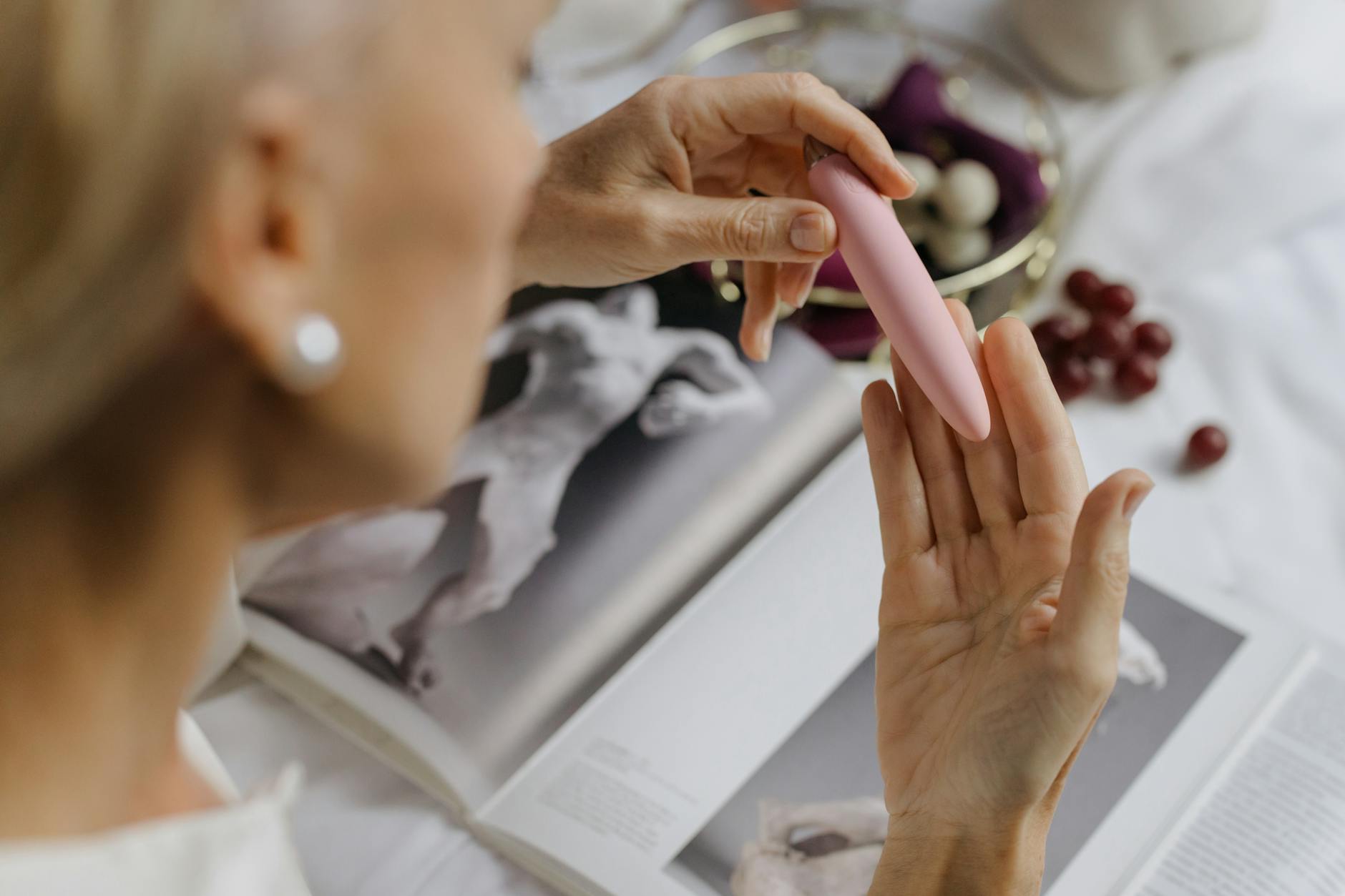
What happens to your clitoris after years of the same intense buzz
Let's start with the uncomfortable truth. If you've used a standard vibrator regularly for years, especially on high settings, your clitoris might hurt right now. Not during sex. Just sitting there. That's not normal wear and tear. That's cumulative damage to nerve endings and surrounding tissue.
Here's what happens physiologically. Repetitive, high-frequency vibration creates micro-trauma at the cellular level. Think of it like the difference between a firm handshake and someone gripping your hand in the exact same way for eight hours straight. The tissue doesn't break, but the nerves stop responding clearly. Sensation flattens. Some people describe it as numbness. Others say it's more like pain or burning when they try to use toys again.
The irony is brutal. The thing that used to feel incredible now feels either like nothing or actively uncomfortable. And the instinct, usually, is to turn it up. Go harder, go faster, maybe switch to a wand. That's exactly backward.
Why traditional vibrators make this worse
Standard bullet vibrators and wands work by repetitive mechanical friction. The motor pushes back and forth, typically 50 to 100 times per second depending on the pattern. That frequency is constant across the entire stimulation surface. There's nowhere to go but numb or inflamed.
When tissue is already sensitized or damaged, that constant high-frequency stimulus doesn't wake up sensation. It irritates it further. You need a completely different mechanism to let nerves recover while still delivering pleasure.
That's where lemon clitoral vibrators work differently. Suction-based stimulation operates on a fundamentally different principle. Instead of vibrating at a fixed frequency, suction creates gentle compression and release cycles. The sensation is more rhythmic than percussive. It engages different nerve pathways. Most importantly, it doesn't require the intense, sustained friction that amplifies pain or numbness.
The neuroscience of why suction feels less painful
Your clitoris has approximately 8,000 nerve endings concentrated in a tiny space. Traditional vibration activates those same nerves over and over at the same frequency. If those nerves are already fatigued, the stimulation feels like static or pressure rather than pleasure.
Suction works by creating a focal point of gentle pressure that rhythmically builds and releases. That pattern engages mechanoreceptors (the nerves that sense pressure and touch) differently than repetitive vibration does. It also allows the tissue and nerves to reset slightly between cycles. You get stimulation without the constant assault.
The other piece is that suction distributes pressure across a larger surface area than a direct vibrator. A bullet or wand concentrates all its energy onto one small zone. A lemon suction toy creates a broader sensation field. That means less intense pressure on any single nerve cluster.
For people recovering from overuse pain or numbness, that distinction is the difference between feeling something again and feeling nothing at all.
How to tell if you have overuse injury versus something else
Clitoral pain has multiple causes. It's worth sorting out which one you're dealing with before you try to fix it.
Overuse numbness and pain typically shows up as: burning or dull ache when you're aroused or right after stimulation, especially if you've been using the same toy on high settings for months or years. The pain feels like it's coming from deep in the tissue. It doesn't get better with rest for a few days. It might actually improve slightly when you switch to a completely different type of stimulation (like suction) because you're engaging different nerve pathways.
Vulvodynia or provoked vestibulodynia is localized, sharp, surface-level pain. It hurts when anything touches a specific spot. Often there's visible redness. Rest doesn't help because the issue isn't fatigue. It's inflammation or nerve sensitization in the tissue itself. That needs medical evaluation.
Yeast infections or other infections cause itching and burning that feels different from overuse pain. There's often discharge or odor. These clear up with treatment.
Hormonal changes (post-menopause, post-pregnancy, medication changes) can create pain or burning because tissue is thinner or less lubricated. That's usually not sharp pain. It's more like friction discomfort.
If your pain is sharp, localized, and doesn't improve with different stimulation methods, or if it's accompanied by visible inflammation, see a gynaecologist trained in sexual health or pain conditions. That's not overuse. That's something else that needs proper diagnosis.
The reset protocol for overuse recovery
If you've identified that you have overuse pain or numbness, here's what actually works.
Week one through two: rest from direct clitoral stimulation. Not rest from pleasure. Rest from the specific mechanism that caused the damage. That means no bullets, no wands, no direct vibration on the clitoris. You can still have partnered sex or use toys for internal stimulation. You're just giving those nerve endings a break.
Week two through four: introduce suction at low intensity. A lemon clitoral vibrator on pattern one or two, or a gentle suction toy, applied for short sessions (3 to 5 minutes max). The point is not to orgasm. The point is to reintroduce sensation without re-traumatizing the tissue. Notice what you feel. If it's still painful, go back to rest and try again in another week.
Week four onward: slowly increase duration and intensity as sensation returns. By week four, most people start to feel sensation returning. That's the nervous system rewiring after the overuse period. Don't rush back to your old patterns. Slow builds new neural pathways. It also lets tissue genuinely heal, not just numb out again to the same stimulus.
This timeline varies wildly. Some people feel relief in two weeks. Others take three months. It depends on how long you used high-intensity vibration and how sensitive your particular nervous system is.
Why lemon vibrators specifically help with the recovery
Three reasons lemon suction toys are better for this than going back to traditional vibrators.
One: the sensation is unfamiliar to your sensitized nerves. Your clitoris is used to the buzz pattern of your old toy. Even at low intensity, it probably triggers that same numb or painful response because the neural pathway is associated with that specific type of vibration. Suction is different enough that it engages fresh nerve networks. It's not triggering the same conditioned pain response.
Two: suction naturally encourages slower, more mindful use. Vibrators tempt you to chase intensity. Suction is better with patience. You feel more with less. That behavioral shift alone helps prevent re-injury.
Three: the technology lets you feel gradations of sensation more clearly. With traditional vibration, you're at level three or level five. With suction patterns, you notice micro-differences between rhythms. That engagement with subtle sensation is actually how you rebuild neural sensitivity. Your brain learns to notice the signal again instead of tuning it out.
What you should NOT do
Do not try to power through pain by using the same toy that caused it. The expectation that you just need to "get used to it again" is wrong. Pain is information. It's telling you that mechanism is still irritating the tissue.
Do not switch from high-intensity vibration to a different brand's high-intensity vibration and expect different results. You'll get the same overuse pattern.
Do not assume that numbing means you need more stimulation. It means you need different stimulation. More of the same is how you got here.
Do not skip the full recovery timeline because you felt better after a week. Tissue takes time to truly heal. Nerve sensitization takes longer. Skip the protocol and you'll wind up back at square one.
When to see a professional
If pain persists beyond two months of rest and gentle suction stimulation, or if pain gets worse instead of better, see a pelvic health physical therapist or a gynaecologist trained in sexual pain disorders. Sometimes overuse pain is complicated by pelvic floor tension or other factors that need hands-on assessment.
Also talk to a doctor if numbness doesn't improve after three months. Occasionally, sustained high-frequency vibration creates longer-term nerve damage that needs more specialized treatment.
But most people. Most of the time. Feel sensation returning within six to eight weeks of switching to suction-based stimulation and building in proper rest.
Rebuilding pleasure after numbness is slow. It's worth it.
The hardest part of recovering from overuse isn't the rest. It's the patience. You're used to a very specific type of feeling. You're used to intensity. Lemon clitoral vibrators and other suction toys feel gentler at first. Slower. Less immediately gratifying. That gentleness is the point. That's how nerves remember how to feel.
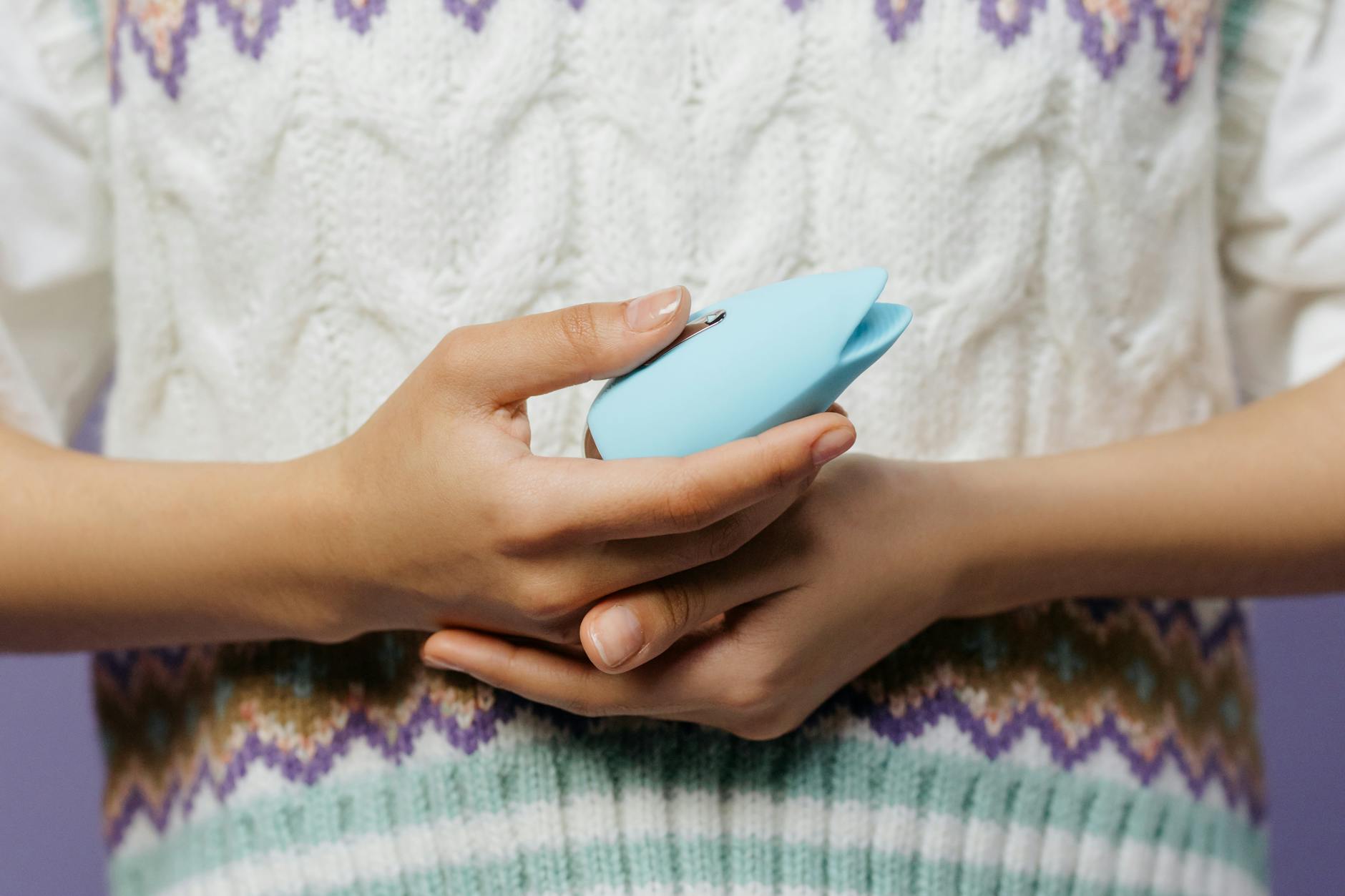
Photo by cottonbro studio on Pexels
People also ask
How long does clitoral nerve recovery take after overuse?
Most people notice improvement in sensation within two to four weeks of switching to suction-based stimulation and taking a break from high-intensity vibration. Full sensitivity recovery typically takes six to twelve weeks. The timeline depends on how long you were using intense vibration beforehand and how your individual nervous system responds. Some people heal faster. Others are more sensitive and need longer rest periods. Patience matters more than speed.
Can lemon suction vibrators help if I've been numb from vibrators for years?
Yes, but with a realistic timeline. If you've been using the same intense vibrator for five to ten years, your nervous system has deeply conditioned itself to that specific stimulus pattern. Switching to suction helps because it engages different nerve pathways. Most people do feel the difference almost immediately. Rebuilding full sensation takes longer, but lemon clitoral vibrators are one of the most effective tools for this specific problem because they don't replicate the same damaging frequency pattern.
Is the pain from overuse the same as vulvodynia?
No. Overuse pain from vibrators is typically a dull ache or burning that's somewhat diffuse across the clitoral area and develops gradually after months of intense stimulation. Vulvodynia is usually sharp, localized pain to a specific spot, and it's often there regardless of stimulation. Vulvodynia also typically shows visible inflammation or changes in the tissue. If your pain is sharp and localized, see a doctor. If it's a dull ache that developed after years of intense vibration, you probably have overuse sensitivity.
Should I stop using vibrators entirely if my clitoris hurts?
No. You should stop using the specific type of vibration that caused the pain. That usually means switching from high-intensity traditional vibrators to something gentler like lemon clitoral vibrators or other suction-based toys. You may also need a few weeks of complete rest before reintroducing any stimulation. But the goal isn't to never use toys again. The goal is to use them in ways that let your nervous system recover and rebuild sensitivity.
Can I still have partnered sex while my clitoris is healing from overuse?
Yes. Partner sex, especially without direct clitoral pressure, can feel wonderful during recovery. The issue with overuse is usually the specific frequency and intensity of direct stimulation from a single toy used repeatedly. Partnered touch is different. Your nervous system responds to it differently. You might find that you feel more sensation and pleasure during partnered sex than you do with toys during the healing period. That's actually a good sign. Let yourself enjoy it while your clitoris recovers.
What's the difference between a lemon vibrator and a traditional vibrator for overuse pain?
Traditional vibrators use repetitive mechanical vibration at a fixed frequency, usually 50 to 100+ cycles per second. That frequency, over months or years, causes nerve fatigue and desensitization. Lemon clitoral vibrators and other suction toys work through gentle compression and release cycles instead. They engage different nerve pathways and don't require the same constant high-frequency assault. For people recovering from overuse, this difference is crucial. A lemon vibrator feels like a completely different type of pleasure. It lets sensitized nerves reset while still providing stimulation and sensation.
How do I know if I should rest or try suction stimulation?
If your clitoris hurts even when not stimulated, start with rest. Two to three weeks with no direct clitoral stimulation. Then try a lemon clitoral vibrator on the lowest setting for just three to five minutes. If pain increases after that session, go back to rest. If pain stays the same or slightly improves, you're on the right track. Gradually increase duration and intensity over weeks as sensation rebuilds. The pain should trend downward, not upward. If it doesn't, that's a signal to see a professional.