Here's what nobody talks about
Ed gets all the airtime. Couples hear "erectile dysfunction" and imagine the end of sex. What actually happens is messier and more workable than that myth suggests. If penetration is your only move, yes, ED creates friction. But if you're willing to reframe what sex even is, you often find that the solution lives right there in the problem.
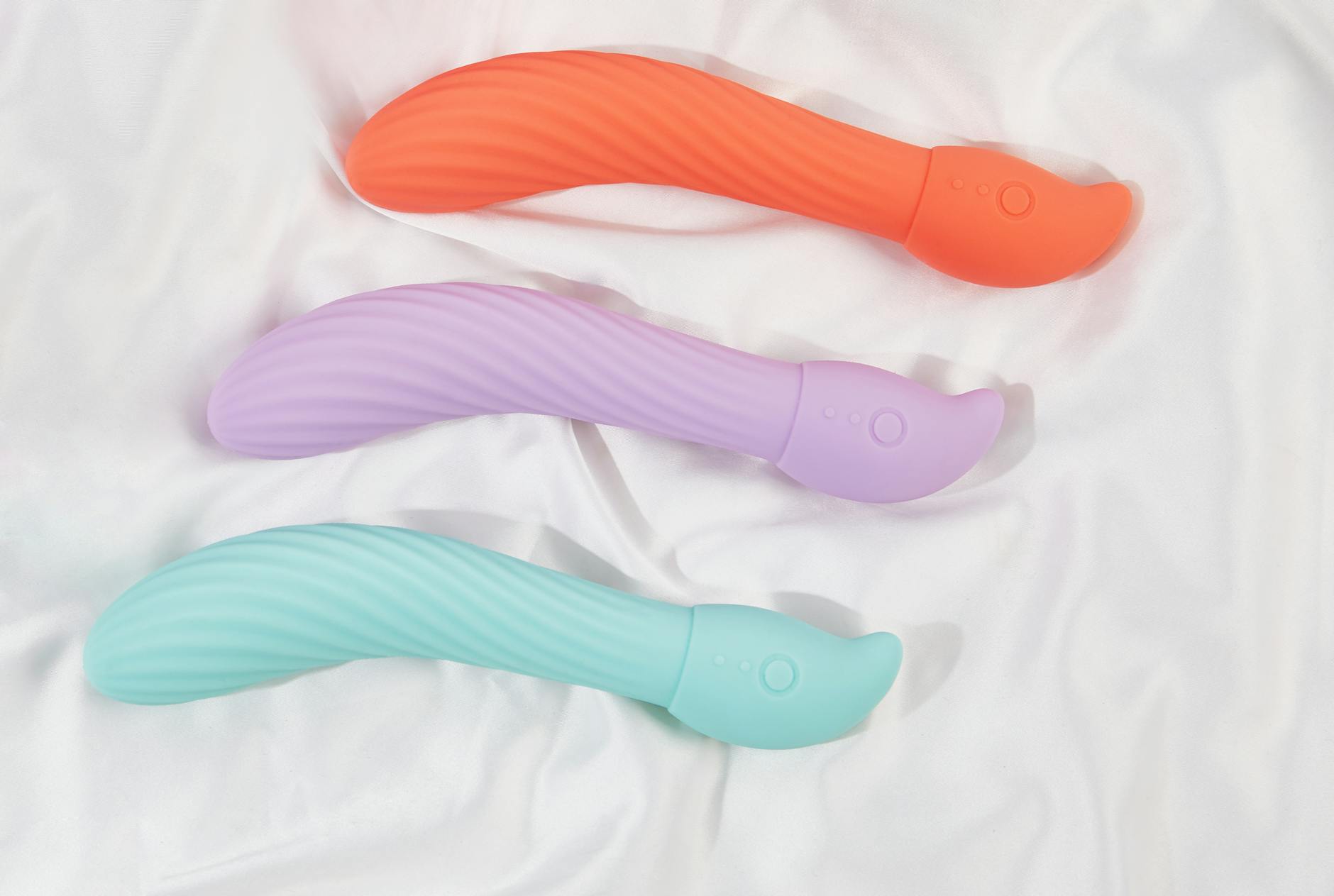
Lemon vibrators and clitoral suction toys like the Lem shift the entire game. They do this not by compensating for something missing, but by making what's possible the main event.
Why penetration-only sex becomes a trap
When ED shows up, the pressure intensifies everywhere. The partner with erectile dysfunction feels like they're failing. The other partner sometimes feels rejected or undesired. The clock starts ticking. Every session becomes a performance test instead of a pleasure session.
This is where most couples get stuck. They keep trying the same approach and expect different results. The pressure itself makes ED worse because anxiety literally tanks arousal. So you end up in a loop that looks like malfunction but is actually just two nervous systems grinding.
The moment you introduce clitoral stimulation into the picture with a device like a lemon vibrator, something shifts. Suddenly penetration isn't the measure of success anymore. Neither person is carrying the entire weight of the session. The focus moves to what actually feels good right now.
What clitoral suction actually does (and why it matters here)
Unlike traditional vibrators, suction toys create a gentle seal over the clitoris and draw blood to the tissue. This means you're not relying on direct friction or intensity. You're using the body's own response system. For partners dealing with ED, this matters because the session becomes less about "can he perform" and more about "what feels amazing."
Here's the neurological piece that actually helps: clitoral orgasms and penetrative orgasms use different nerve pathways. When you separate them out, you're no longer asking one person to carry both. A partner using a lemon clitoral vibrator can reach climax independently. The other partner is present, engaged, touching, but not under pressure to make something happen that their body isn't doing right now.
That's freedom.
The conversation you need to have first
This works only if you talk about it before anything happens in the bedroom. Not during. Before.
The framing matters wildly. Don't lead with "we need to fix your ED." Lead with "I want us both to feel amazing, and I think there's something I want to explore." This is about adding something, not replacing something broken.
For the partner struggling with ED: the hard truth is that introducing a toy can feel threatening if you're already in your head about performance. You might hear "I want a vibrator" as "you're not enough." Say that out loud now, in a conversation, not in the middle of sex. Your partner likely has no idea you're thinking it. Once it's on the table, you can actually address it.
For the other partner: explain why this excites you. "I think this would feel incredible. And I want us to not worry so much. I want you here with me, but not performing. Just present." That's a completely different message.
How to actually integrate it
Start with foreplay where the pressure is off. This isn't the session where you're expecting penetration. You're exploring. The partner using the lemon vibrator can experiment with patterns and intensity. The other partner can be touching, kissing, present. This is mutual pleasure without anyone's arousal being a prerequisite.
Once you've done this a few times without pressure, you can play with blending it. A partner might use a clitoral vibrator while the other partner is inside if that's what feels good and if ED isn't a barrier in that moment. Or you might realize that the solo stimulation is actually what you both prefer. Let the body tell you.
The timer comes off. There's no performance metric. An orgasm isn't the goal; pleasure is.
Why ED softens when you stop fighting it
This is the part that sounds too simple but is backed by decades of clinical evidence. Anxiety is the primary driver of most ED that's not purely physiological. When you remove the expectation, you remove the anxiety. When you remove the anxiety, the body often starts cooperating again.
I've worked with couples who introduced clitoral vibrators into their routine and found that the partner with ED regained function in other sessions because the pressure dissolved. Not because the vibrator fixed anything, but because the entire frame changed. Sex stopped being a test.
That said, if ED is severe or persistent, a doctor's conversation is still important. Hormonal issues, vascular problems, and medication side effects are real. But for most couples, the issue is less medical and more emotional. A lemon clitoral vibrator addresses the emotional piece directly.
What this actually opens up
Once you've had one conversation where pleasure is the goal instead of performance, other conversations become easier. Maybe you talk about what you've each been too shy to mention. Maybe you learn that your partner has a fantasty you didn't know about. Maybe you discover that you like clitoral suction toys so much that you want to keep using them even if ED disappears.
That's all fine. That's all normal. Most couples who navigate ED successfully end up with a sex life that's more honest and more connected than before the problem appeared. The tool isn't really the lemon vibrator. The tool is removing the shame.
FAQ: Partners With ED and Clitoral Toys
Will using a vibrator make my partner feel emasculated?
Only if you present it that way. If you lead with "I want pleasure and I want you here," it's additive. If you lead with "we need to fix your problem," it becomes shame. The framing is everything. Plenty of partners feel more masculine and confident once they're not under pressure to perform, which is what toys can create.
Can we use a clitoral vibrator if penetration still happens sometimes?
Completely. You can use clitoral stimulation alongside penetration, before it, after it, or independently. There's no rule. Start by treating them as separate experiences so you get comfortable with each, then blend them if that feels good.
What if my partner gets jealous of the vibrator?
Then that's the real conversation, and it's not about the toy. It's about insecurity or messaging that got tangled somewhere. Say out loud: "I want you. This is something I also enjoy. Both things are true." If jealousy persists, that's relationship territory worth talking through, maybe with a couples counselor.
How do I bring this up without it being awkward?
Say it outside the bedroom. Text if you need to. "I've been thinking about trying a clitoral vibrator together. I think it would feel amazing and I want us to have fun without pressure. What do you think?" That's it. If he panics, ask what he's worried about. Listen. Most of the awkwardness is in your head before you say anything.
Is a lemon clitoral vibrator harder to use than a regular vibrator?
Not at all. The Lem and similar suction toys work by gently sealing over the clitoris. Start on a lower setting and see what feels good. There's no learning curve beyond "hold it in place." Most people figure it out in one session.
What if the vibrator doesn't help with ED at all?
Then you've discovered that ED has a physical component that needs medical attention. Talk to a doctor. Toys are a great tool for pleasure and reframing sex, but they're not ED treatment. They're what you do while other conversations happen. A vibrator plus medical support beats either one alone.
The actual shift
Most couples I work with who introduce clitoral toys when ED is present end up saying the same thing: "We stopped feeling broken." Not because the ED disappeared, necessarily, but because sex stopped being about what wasn't happening and started being about what was. A lemon vibrator gives you permission to make that shift. Use it.