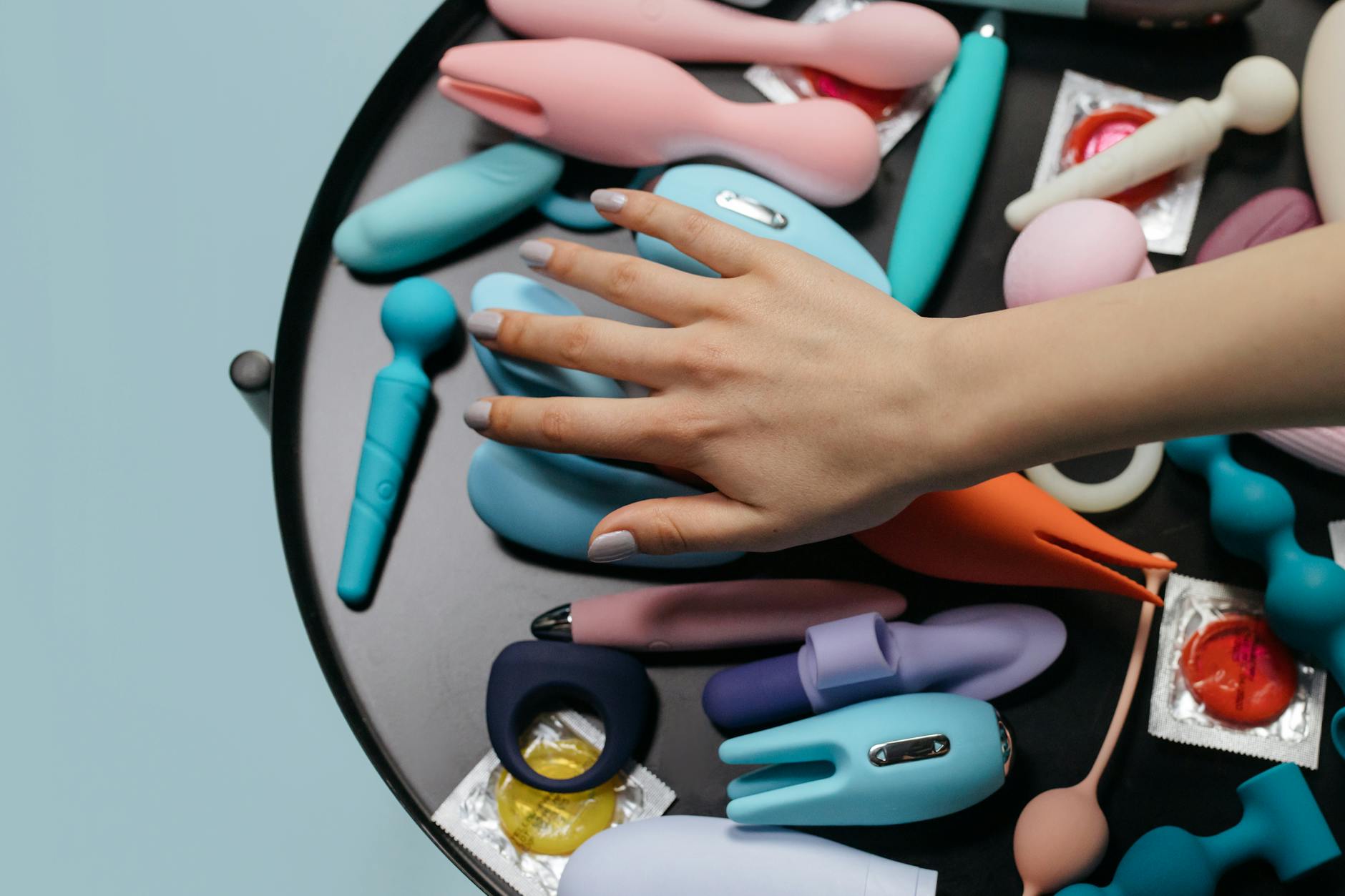
Here's the thing nobody tells you about choosing a toy
You're not choosing between "good" and "bad." You're choosing between two completely different mechanical experiences. A traditional vibrator and a lemon clitoral vibrator don't just feel different. They work on different nervous system pathways, suit different anatomies, and excel at different pleasure goals. Picking the wrong one doesn't mean the toy is broken. It means it's mismatched to your body.
I spend a lot of time in sessions helping couples navigate this exact decision, and the pattern is always the same: someone buys a toy based on reviews or aesthetics, it doesn't work, and they assume they're broken. They're not. They just picked the tool for someone else's body.
What vibration actually does
Traditional vibrators work by rapid mechanical movement. They stimulate nerve endings through consistent, high-frequency buzzing across the surface of the clitoris. This works beautifully if your clitoris is relatively insensitive, prefers direct contact, or responds well to sustained pressure and rhythm.
Vibrators are fantastic for:
- People with lower clitoral sensitivity who need more direct input to build arousal
- Anyone who prefers consistent, predictable rhythm (it's easier to sync with a partner's movement)
- External stimulation that works through clothing or barriers
- People whose arousal pattern relies on steady, escalating sensation
But here's what vibration doesn't do well: it works through friction and surface contact. If your clitoris is sensitive, or if the tissue around it is tender, sustained vibration can feel raw, numb-inducing, or even painful. And vibrators require you to press down or hold them in place, which adds pressure you might not want.
What suction actually does (and why lemon vibrators are different)
Lemon clitoral vibrators like the Lem work through gentle suction and pulsing rather than vibration. Instead of buzzing across the surface, they create a rhythmic vacuum that draws the clitoral tissue gently into a soft chamber, then releases. It's a completely different neurological path.
This mechanism works brilliantly if:
- Your clitoris is highly sensitive and traditional vibrators feel too intense
- You've numbed out from years of vibrator use and need fresh stimulation
- Your anatomy has a prominent or visible clitoral structure that benefits from gentle lifting sensation
- You have reactive desire and need slower, more subtle warm-up
- You experience friction pain during sex and want safer alternatives
The genius of suction is that it doesn't require pressure. Your body isn't doing work to hold it in place. The toy does the work, which is why people often describe lemon vibrator sessions as less effortful and more meditative than traditional vibrator use.
Body type matters way more than you think
Clitoral anatomy varies wildly. Some people have a prominent, externally visible clitoris. Others have anatomy where the clitoral tissue is more internal or hooded. This isn't better or worse. It's just different, and it changes what works.
If your clitoris is more internal or hooded, traditional vibrators often miss the target entirely. You end up vibrating surrounding tissue instead of the actual nerve cluster. Lemon vibrators, by contrast, create suction that pulls the hood back and draws the clitoral glans into the chamber regardless of hood prominence. This is why so many people with hooded anatomy suddenly orgasm easily with suction tools after struggling with vibrators for years.
If your clitoral tissue is more superficial or prominent, you might find traditional vibrators feel too direct and intense. Suction feels gentler because the toy is distributing sensation across a larger area through pressure change rather than focused buzzing.
There's also the question of sensitivity distribution. Some people have highly sensitive clitoral glans but less sensitive tissue around it. Vibrators can feel punishing on the glans but work fine on surrounding tissue. Suction distributes the sensation more evenly, which often feels more balanced.
Sensitivity level changes everything
Baseline clitoral sensitivity is not fixed. It shifts with hormones, stress, medications, age, and use patterns. This is crucial because it means what worked for you five years ago might not work now.
High sensitivity (or hypersensitivity) is often why people switch from vibrators to lemon clitoral vibrators. Traditional vibration can feel overstimulating, almost like tiny shocks. Suction feels more like a gentle embrace. If you're dealing with medication side effects like those from antidepressants, or hormonal changes from IUD insertion or birth control, your baseline sensitivity might have shifted downward or sideways. This is exactly when testing new tool types makes sense.
Low sensitivity is the opposite problem. If your clitoris feels numb or slow to respond, you might need the more direct input that vibration provides. A lemon vibrator might feel too subtle. That doesn't mean suction is "weak." It means your particular nervous system is asking for more obvious input right now.
The pressure equation
Here's something rarely discussed: the amount of pressure you're comfortable with is separate from the type of sensation. Some people want strong pressure with any toy. Others want gentle, barely-there contact.
Traditional vibrators require you to push down or hold them against your body. Even on low intensity, you're managing pressure manually. If you have pelvic floor tension from stress, this pressure requirement can actually work against you by increasing tension rather than releasing it.
Lemon vibrators apply pressure differently. The suction itself creates a pulling sensation rather than a pushing one. For people with tension patterns or those rebuilding arousal after stress or loss, this pulling mechanism often feels less demanding on the nervous system.
Pleasure goals, not pleasure levels
Different goals call for different tools. Are you trying to have an orgasm? Are you exploring sensation? Are you rebuilding arousal after time off? Are you dealing with a partner's different pleasure preferences?
If your goal is quick, reliable orgasm, you might prefer whichever tool you know works fastest. If your goal is exploration or sensation play, you might want to understand what each mechanism brings. If you're rebuilding after a break (which is incredibly common and totally normal), starting with a lemon vibrator is often smarter because the lower-pressure introduction is less overwhelming than jumping back into vibrators.
If you're navigating different desires with a partner, understanding these mechanical differences helps you both choose without it feeling like a compromise. One partner might genuinely prefer vibration. The other might genuinely prefer suction. Neither is settling.
The realistic timeline for switching
If you've been using traditional vibrators for years and you try a lemon vibrator for the first time, it might feel underwhelming. That's not because lemon vibrators don't work. Your nervous system has been trained to expect a certain type of input. It takes time to recalibrate.
I recommend a minimum of five to seven sessions before deciding a new tool type isn't for you. Use it when you're not in a rush, when your body feels relatively relaxed, and when you can pay attention to subtle sensation. The shift from expecting "buzz" to noticing "pull" happens gradually. Your pleasure usually deepens as your nervous system adjusts.
When you actually need both
Honestly? Many people end up with both. Not because one is a backup. Because they serve genuinely different purposes. A traditional vibrator might be your go-to when you want direct, efficient stimulation. A lemon vibrator might be what you reach for when you want to slow down, explore, or address sensitivity issues.
There's no rule that says you pick one. Your body is allowed to want different things on different days.
Making the call
Start by honestly answering these: Does direct pressure feel good or too intense? Does your clitoris respond better to steady rhythm or more subtle, varied sensation? Have you noticed your sensitivity changing over time? Are you rebuilding after a break or dealing with numbness? Do you have a reactive desire pattern that needs slower warm-up?
Traditional vibrators and lemon clitoral vibrators aren't competitors. They're designed for different anatomies and different nervous system preferences. The best toy for you is the one that matches your actual body and your actual pleasure goals right now. That might be a vibrator. It might be a lemon sucker. It might be both.
FAQ: Choosing the Right Clitoral Toy for Your Body
What's the difference between a lemon vibrator and a regular vibrator?
Lemon vibrators use suction and pulsing rather than vibration. Traditional vibrators buzz at high frequency across the clitoris. Suction creates a rhythmic vacuum that gently draws tissue into a chamber, which stimulates different nerve pathways and requires no pressure on your end. Lemon clitoral vibrators tend to feel gentler and less intense, while traditional vibrators provide more direct, consistent stimulation. Both work. They just work differently.
Should I use a lemon vibrator if I've never had one before?
Yes, if your sensitivity level or anatomy seems like it might benefit. If you have highly sensitive tissue, struggle with traditional vibrators feeling too intense, or have been using vibrators for years and want something fresh, starting with a lemon suction toy makes sense. Give yourself at least five sessions before deciding it's not for you. Your nervous system needs time to recognize this new type of sensation.
How do I know if my sensitivity level is the problem?
Pay attention to how traditional vibrators feel. If they make your clitoris feel numb after a few minutes, if they feel overstimulating right away, or if you need to keep adjusting pressure and angle, sensitivity mismatch might be the issue. Lemon vibrators often feel more balanced and natural for people with hypersensitivity or for those dealing with medication or hormonal shifts that changed their baseline sensitivity.
Can both tools work for the same person?
Absolutely. Many people use both depending on what they want that day. A vibrator might be your efficient choice. A lemon clitoral vibrator might be what you use when you want to explore, slow down, or rebuild arousal. There's no rule that says you pick one.
Does clitoral anatomy really matter when choosing a toy?
Yes. If your clitoris is more internal or hooded, vibrators often miss the mark entirely. Lemon vibrators create suction that pulls the hood back regardless of anatomy, which is why so many people with hooded clitorises suddenly have success with suction after struggling with vibrators. If your clitoris is more prominent or superficial, you might find vibrators too direct. Understanding your anatomy helps you predict which tool will actually work.
What if I'm switching from years of vibrator use?
You might find lemon vibrators feel subtle at first because your nervous system has been trained to expect vibration. This is normal. Give yourself several sessions to recalibrate before deciding it's not for you. Your pleasure usually deepens as your body adjusts to the new sensation type. If you've experienced numbness from prolonged vibrator use, suction can feel revelatory once your sensitivity returns.
Should I choose based on what my partner likes?
Not entirely. Your pleasure matters. Understanding what your own body responds to is the foundation. Then you can share that knowledge with your partner and make choices together. Sometimes partners have different preferences. Understanding the mechanical differences helps you both honor what actually feels good instead of assuming someone has to compromise.
The bottom line
There's no universal best toy. There's only the best tool for your particular anatomy, sensitivity level, and pleasure goals right now. Traditional vibrators and lemon clitoral vibrators excel at different things because they work through completely different mechanisms. Picking between them isn't about one being "better." It's about understanding how your body actually works and choosing the tool that speaks that same language.
If you're uncertain which direction makes sense for your body, that's exactly what a conversation with our team is for. Reach out at /contact and we can help you think through what might work best for you.