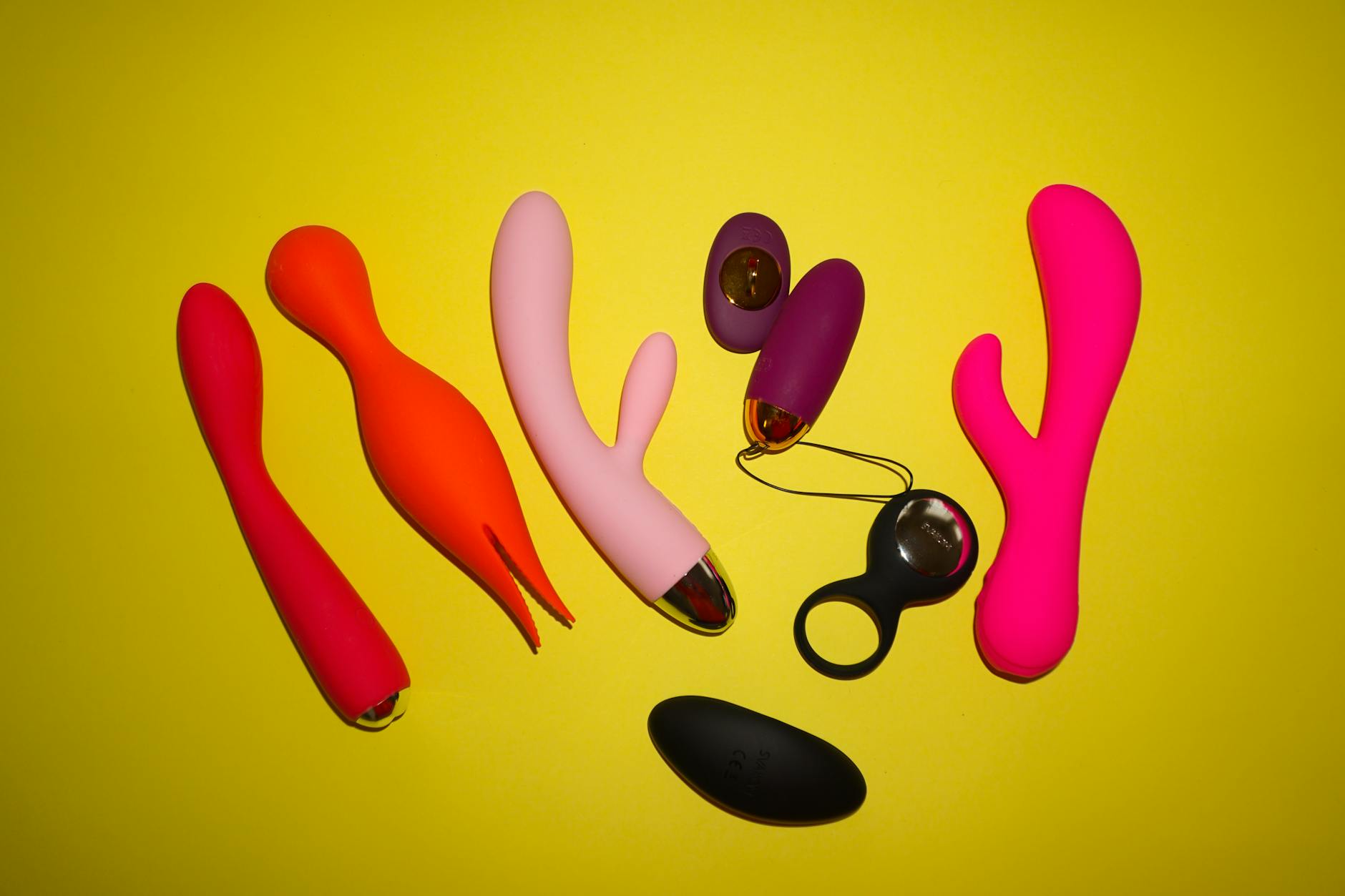
Let's get real about the fear first
You're thinking about bringing a lemon clitoral vibrator into your relationship, and your brain is immediately throwing up roadblocks. What if they think you're not satisfied? What if it feels like rejection? What if they think it means the relationship is broken?
None of those things are true. But I get why you're worried, because nobody teaches us how to have this conversation. So we improvise. We hint. We leave a toy on the nightstand and hope they notice. We wait for the "right moment" that never comes. Then we feel shame about the whole thing.
That stops now.
Why this conversation matters more than you think
This isn't about adding a toy. It's about signaling that pleasure is something you two can talk about openly. That your needs matter. That experimenting together is safe.
Couples who can communicate about sex tend to report higher satisfaction across the entire relationship. Not because the sex itself is always better, but because they've proven to each other that vulnerability is possible. You can say "I want this" and not get rejected. You can explore together. That's the actual intimacy.
Here's the data twist: a 2023 survey of 1,000 couples found that 71% who introduced toys together reported improved communication outside the bedroom. Not because the toy was magic. Because they'd practiced having a hard conversation and survived it.
The setup: when and how to start
Timing matters. Not "the right mood" or "after good sex." I mean the actual logistics.
Pick a moment when you're both calm, clothed, and not in bed. You want this to feel like a conversation, not a seduction. A weeknight dinner, a walk, sitting on the couch on a Sunday morning. Anywhere that feels neutral and comfortable.
Avoid starting this conversation when either of you is tired, stressed, or defensive about something else. And absolutely do not lead with "we need to talk" unless you want them bracing for relationship problems.
The actual opening line (and why it works)
Here's a script that lands well because it centers them, not you:
"I've been thinking about something I want to try together, and I wanted to run it by you first. I've heard really good things about lemon clitoral vibrators for couples. I'm not saying anything's missing right now. I'm just curious if you'd be open to exploring something that might feel good for both of us."
Why this works:
You're naming the specific thing (no mystery, no shame). You're saying "together" (it's not solo, it's shared). You're explicitly saying the relationship isn't broken. You're asking, not demanding. And you're framing it as curiosity, not criticism.
If they say no immediately, that's information. Don't push. Ask why. Sometimes it's "I'm not ready yet." Sometimes it's "I don't understand how that works." Those are both solvable. Shame is not.
What to do if they get defensive
Defensiveness usually means fear, not rejection.
Common defensive responses and what's actually happening:
"Are you not happy with me?" = They heard criticism. Your move: "I'm very happy. This isn't about missing anything. It's about adding something. Like trying a new restaurant together. It doesn't mean the place we usually go is bad."
"I don't need a toy to satisfy you." = They heard inadequacy. Your move: "This isn't about me needing something you can't do. It's about pleasure we can share. It's like the difference between a massage you give me and a professional massage. Both feel good, just differently."
"That's weird." = They heard judgment of their sexuality. Your move: "It might feel weird because we haven't talked about it. A lot of couples use them. I really want to try this with you specifically."
Don't argue. Just clarify what you meant. Then give them space to think about it. Pressure kills curiosity.
The information phase (answer the questions they're too shy to ask)
If they're warming up, they'll likely have practical concerns. Head them off.
How does it even work? Describe lemon vibrators simply: they use suction and gentle pulsing, not vibration. They're designed for clitoral stimulation. Most modern versions are waterproof, quiet, and take about 2 minutes to charge.
Will it hurt? No. You control the intensity. You start low. You can stop anytime. It's not aggressive. It's designed to feel good.
What if I'm uncomfortable watching? Fair question. You don't both have to use it at the same time. You could use it solo first, alone or with your partner in the room. You could use it together and have them focus on other touch. There's no script.
How much does it cost? Honesty here. A quality lemon clitoral vibrator like the ones from My Lems runs around $89. That's an investment, yes. It's also an investment in pleasure and communication. Frame it that way.
Moving toward a yes (without pressure)
If they're interested but hesitant, offer a low-stakes exploration.
"What if we look at them together online, no pressure to buy? Just so you see what I'm talking about." People are usually less defensive when they're being included in the decision.
Or: "I could try one alone first, and if I like it, we can talk about using it together."
Or: "We don't have to decide now. If you want to think about it, that's completely fine."
The point is making it feel optional and collaborative, not mandatory and solo.
After they say yes (here's what actually helps)
You've cleared the emotional hurdle. Now handle the practical stuff so the experience doesn't get awkward.
When the toy arrives, don't make a big production of unboxing it. Charge it. Read the instructions together if you want, or separately. Use it in a context where you're both relaxed. Maybe after foreplay you're already comfortable with. Maybe with the lights dimmed. Maybe with music on so you're not hyper-aware of every sound.
The first time doesn't need to be intense or performance-like. It just needs to feel okay.
If it doesn't feel amazing the first time, that's normal. Pleasure often takes a few tries. The win is that you did it together and nobody died of shame.
The harder version: if they say no
Sometimes the answer is no. Or not yet. Or not interested.
You have three choices: accept it fully, revisit it in six months, or recognize you want something different than your partner wants.
Accepting it fully means not sulking. Not bringing it up constantly. Not framing them as boring or closed-minded. If you can't accept a no without resentment, that's worth examining separately. Maybe with a therapist.
Revisiting later is fair. People change. But don't use this as a way to wear them down. Set an actual timeline ("Can we talk about this again next year?") and stick to it.
Recognizing incompatibility is harder. Some people genuinely don't want toys in their sex life, and that's valid. If you really do, and they really don't, you have a compatibility question bigger than this one toy.
Why this matters beyond the vibrator
Lemon clitoral vibrators for couples work because they're designed for shared pleasure. But the actual win is the conversation. You've practiced asking for something that matters to you. Your partner has practiced hearing a vulnerable request without shutting down. You both survived.
That muscle matters. You'll need it again.
FAQ: The questions people actually ask
What if I've never used a toy before and I'm embarrassed? That embarrassment is normal and also temporary. Most people feel it the first time, then forget about it entirely. Your partner will likely be more focused on connection than on judging you.
Should I mention this to my partner before or after I've already bought one? After is better. Surprise toys can feel presumptuous. Asking first respects their input and frames this as collaborative. If they say yes, then you buy together or they can do the research with you.
What if my partner wants to use it but I'm not interested in anything for myself? Totally fine. Not every sexual tool needs to be used by both people. If they want to try a lemon clitoral vibrator solo or with you watching, that's a win. Your job isn't to use it. Your job is to be supportive.
How do I bring this up if we haven't had great communication about sex in the past? Start smaller. Don't lead with toys. Start with simpler conversations: "Do you like when I do this?" or "What would feel good?" Build the muscle of talking about pleasure in low-stakes ways first. Then the toy conversation feels less huge.
What if my partner brings this up to me? Listen fully before you react. Ask questions. Don't assume it means anything bad about your relationship. Assume it means they want to explore something, and they trusted you enough to ask. That's the real thing to honor.
Is there a right way to use a lemon vibrator with a partner? There's no "right way." Some couples use them during partnered sex. Some use them solo while their partner is nearby. Some take turns. Some use them together on the same person. The best way is whatever feels good and consensual to you both.
What if we buy one and hate it? Then you don't use it. You're not locked in. Some toys don't work for every person, and that's okay. The fact that you tried matters more than whether you loved it.
What comes next
The conversation is the hard part. The actual using of the vibrator is usually easier than you think. Your partner will probably surprise you with their openness once they understand what you're asking for and why.
You deserve pleasure. Your partner deserves to know what you want. And your relationship deserves the intimacy that comes from practicing vulnerability together.
Start with the script. Pick your moment. Say the thing.
Then see what happens.