The gap between wanting to reconnect and actually doing it
Let's be real. After months or years without sex, the gap between "we should try this again" and actually touching each other feels enormous. You're not broken. You're not alone. This is the most common midlife relationship crisis I see in my practice, and it's also one of the most fixable.
The catch is this. Most couples try to slide back into what used to work. They can't. Bodies change. Desire patterns shift. Emotional texture feels different. You're not the same people who last had sex together, and pretending you are makes everything worse.
Here's what actually works.
Why time apart rewires your sexual baseline
When you stop having sex, your nervous system downregulates. This isn't failure. It's physiology. Your body literally learns that sexual arousal isn't on the menu, so it stops priming for it. When you try to restart, you're not just overcoming awkwardness. You're asking your nervous system to reactivate a pathway that's been dormant.
This happens faster than you'd think. After six months without partnered sex, most people report that even arousal patterns feel unfamiliar. After a year, many describe feeling like a stranger to their own desire.
The second thing that happens is emotional. The longer the gap, the more shame accumulates. "Why didn't we fix this sooner?" "Are they still attracted to me?" "Will it ever feel normal again?" These questions loop underneath every reconnection attempt, and unless you name them, they sabotage the physical work.
Start with a conversation that isn't about sex
This is the step almost every couple skips, and it's why most reconnection attempts stall. You need to talk about the absence itself before you try to fill it.
Sit down together without the kids, without your phones, and answer these three questions honestly.
1. What happened? Not "whose fault was it." What actually occurred. Was it stress? Resentment? Grief? A medical issue? Mismatched desire? Be specific. "We both got busy" doesn't count.
2. What did the absence tell you? This sounds weird, but it matters. Some couples discover that no sex meant they'd stopped feeling safe with each other. Others realize they were both avoiding something. Some find out that one partner had silently decided they weren't attracted anymore. These are hard conversations, but they're the foundation for anything real to rebuild on.
3. What would need to be true for this to feel good again? Not "what do we need to do." What needs to be true emotionally? For some people it's "I need to feel like you chose me." For others it's "I need to know this matters to you." Get specific about what reconnection would have to feel like.
Most couples report that this conversation alone is the first time they've both acknowledged the gap exists. That matters more than you'd think.
The physical restart needs to be staged
Here's where couples mess up. They decide to reconnect, they set a date, they try to have sex, and nothing works because their bodies aren't ready yet. Then shame fires back up and the gap widens again.
Instead, stage it.
Week 1-2: Touch without agenda. Hold hands. Kiss goodnight. Take a shower together. This isn't foreplay. It's literally just relearning what your partner's skin feels like. Most people who've been separated for extended periods describe this as surprisingly emotional. You might cry. That's fine.
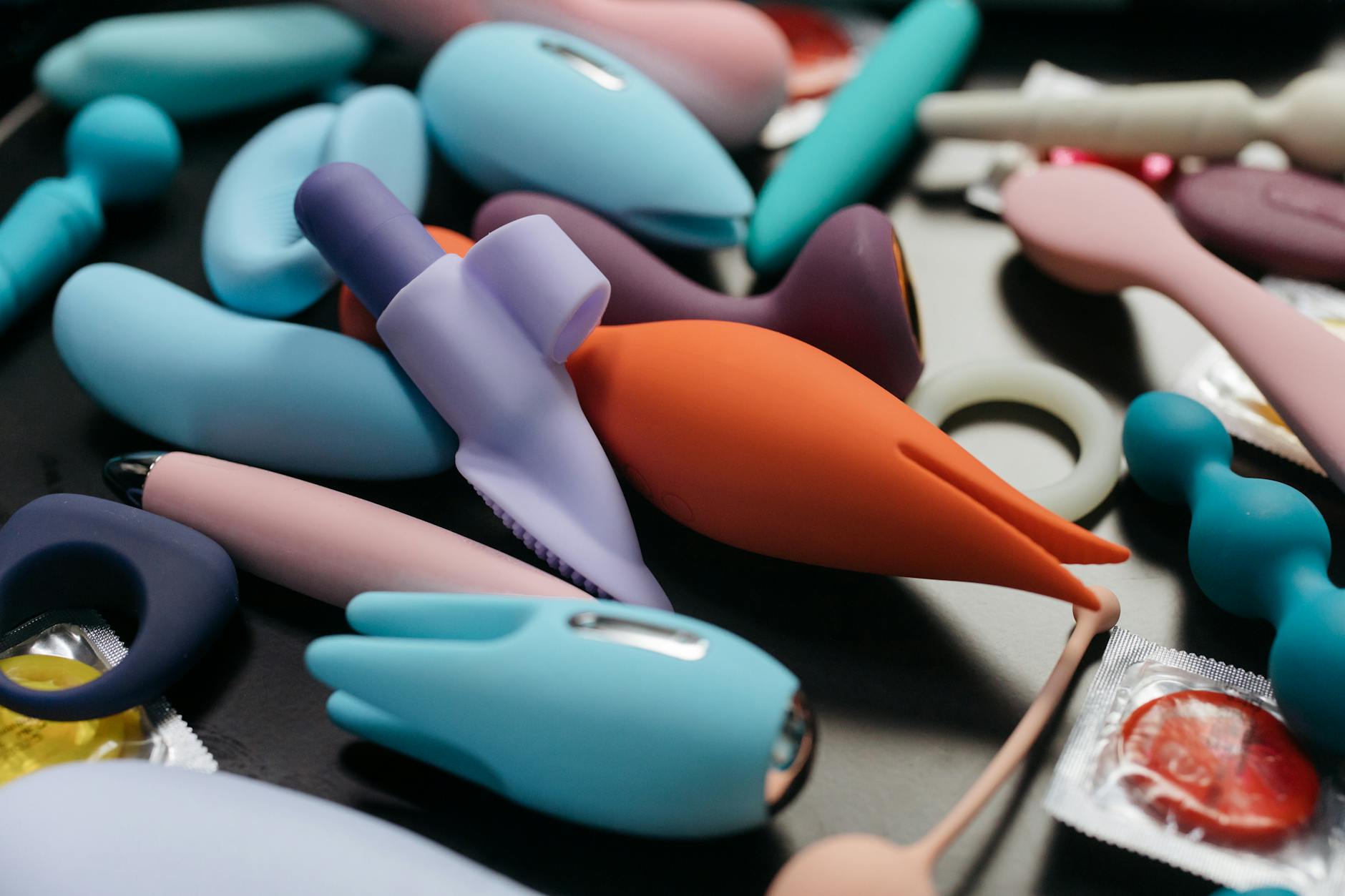
Week 3-4: Pleasure without pressure. Massage. Oral sex where nobody expects intercourse to follow. Solo play in the same room, not necessarily touching each other. The goal is to remind your nervous system that sexual sensation feels good and safe with this person. Lemon clitoral vibrators work exceptionally well here because they create sensation without the friction that can feel uncomfortable if your body's been dormant. The suction mimics a gentler kind of touch, which many couples report feels less triggering than traditional toys after extended absence.
Week 5+: Intercourse, when it feels like the next logical step, not an obligation.
This timeline might feel slow. Couples in my practice often tell me they expected to move faster. Then they realize that trying to rush it is what created the gap in the first place.
What changes in your body after time away
Lubricating takes longer. Arousal feels different. Orgasm might arrive differently or not at all the first few times. For people with vulvas, tissue sensitivity often shifts. What felt good two years ago might feel too intense now.
This is where tools matter more than you'd expect. If you're restarting after a long gap, clitoral vibrators designed for sensitivity rather than intensity help your nervous system believe that this is safe. Lemon vibrators, for example, use suction technology rather than traditional vibration. This means less direct pressure on already-sensitive tissue, which translates to pleasure building more gradually and naturally. Many couples report that toys designed for gentle sensation make the reconnection process feel less clinical and more like actual desire.
The conversation about tools
If you're thinking about using toys during reconnection, mention it before you're already in bed. "I've been reading that couples who restart after time apart sometimes use things like clitoral vibrators because it takes some pressure off both of us" is a lot less jarring than pulling something out mid-session.
If your partner seems resistant, that's real. Let them sit with it. Ask why. The honest answer usually isn't "I don't want toys" but rather "I'm afraid if we use that, it means something's wrong with us" or "I'm worried it means you're not attracted to me." Talk about that fear before you try to work around it.
Watch for these sabotage patterns
Three things kill reconnection attempts repeatedly.
Treating the restart like a performance. You have one shot at this, so it has to be perfect. Wrong. It doesn't. Your first few times reconnecting will be awkward. That's data, not failure. Stay curious instead of critical.
Skipping the emotional check-ins. You had the big conversation three weeks ago, so you're done talking about it. Nope. Check in after each intimate encounter. "That felt good" or "I felt scared" or "I need more time" are all useful data that keeps you moving forward instead of triggering shame spirals.
Assuming desire will return if you just push through. This is the one that convinces people they're broken. If you're following the staged approach and desire still isn't showing up by week 6 or 7, that's information that something else is happening. Low desire after extended absence sometimes signals resentment you haven't fully surfaced, unresolved grief, medical issues, or medication side effects. Get curious about it rather than forcing intimacy on top of it.
When you need outside help
If you're following this framework and hitting a wall around week 4 or 5, that's a sign to bring in a couples therapist. Not because something's wrong with you, but because reconnecting after extended absence is one of the few relationship challenges that consistently benefits from professional support. A good therapist will help you identify what's actually blocking things. Sometimes it's logistics. Sometimes it's trust. Sometimes it's that one person is dealing with depression or another condition that's tanking desire.
The point is, you don't have to figure this out alone.
The framework in motion
Restarting intimacy after months or years requires patience, honesty, and permission to move slowly. It also requires your nervous system to believe that this is safe. That takes time. Build it in stages. Name what happened. Talk about what needs to be true going forward. Use tools like clitoral vibrators that match your current body, not your former one. Check in after each step. And remember this. The couples who successfully rebuild intimacy after extended absence don't report feeling like they're recapturing something lost. They report that this new version of physical connection feels more intentional than anything that came before.
That intention changes everything.