
Here's what your partner is actually worried about
I hear this concern constantly in my practice: "If I bring up toys, he'll think I'm not happy with him." Or the reverse. The fear is real, and it makes sense. Introducing a lemon clitoral vibrator into a relationship feels like you're saying something is broken. That something is missing. That your partner isn't enough.
Except that's not what a toy says at all. Let me be blunt: your partner's hesitation isn't usually about the toy. It's about what they think the toy means.
The story they're telling themselves
Most skeptical partners fall into one of three mental buckets. First: "She'll prefer the toy to me." Second: "This means I'm not good enough." Third: "Things were fine before, so why change?" None of these narratives are actually about lemon vibrators or clitoral pleasure. They're about perceived rejection, comparison, and change.
Here's the thing that neuroscience backs up. When your partner hears "I want to try a toy," their brain doesn't process it as "let's add pleasure to us." It processes it as a threat to status or adequacy. That's a survival mechanism, not a character flaw. Your job isn't to convince them they're wrong. It's to reframe what a lemon vibrator actually does in a relationship.
What a lemon vibrator actually changes
Let me start with what it doesn't change: your desire for your partner. Your attraction. Your preference for partnered sex. None of that goes away.
What it does change is sensation and speed. Lemon clitoral vibrators stimulate nerves in a way that's difficult to replicate with hands or traditional toys. They work through suction and gentle vibration, which feels fundamentally different from friction-based stimulation. For many people, this means orgasm becomes more accessible, or happens faster, or feels more intense.
Here's the part that actually matters for a skeptical partner: faster, easier orgasms during partnered sex often mean longer, more relaxed sex for both of you. Your partner gets to stay present without the pressure of performing endurance. You get to enjoy sensation without the mental load of "is this ever going to happen?" That's not replacement. That's cooperation.
The conversation that actually works
Don't lead with "I want to try toys." That invites defensive narrative. Instead, lead with what you've noticed.
"I've realized that when I'm with you, I get in my head about whether I'm taking too long. That pressure actually makes it harder for me to relax. I read that lemon vibrators can help with that. I'm thinking about it less as a toy and more as something that helps me stay present with you."
Notice what you just did: you centered his pleasure. You made the problem about your own mental noise, not his performance. You framed the vibrator as a tool for closeness, not a replacement for him.
Most partners can hear that. Because it's true.
Showing, not telling
Once the conversation lands, here's the part that dissolves skepticism faster than any argument: experience. Invite your partner into the discovery.
Start with the lemon vibrator alone, in front of them. Let them see your face. Let them hear you. Let them understand that it's not magic. It's not better than them. It's just different sensory input. You're still you. Your pleasure still matters to you. The only thing that changed is the tool.
Then, when you're ready, use it together. You control it. Let them watch. Ask them to use it on you while they're inside you, or while you're kissing. The point is: they're not replaced. They're involved. They're part of the experience.
Many partners tell me afterward that watching their partner respond to a lemon vibrator was actually deeply pleasurable. Not threatening. Connecting. Because pleasure is contagious. Seeing someone you care about feel good feels good.
Managing the comparison trap
Some partners will still worry they're being compared. "Is this better than what I do?" That's human, and it requires honesty.
Yes. In some ways, the vibration is more efficient at clitoral stimulation. That's not an insult to your partner. It's a fact about nerve density and mechanical stimulus. Your hands and mouth do things a vibrator cannot. They communicate affection. They create connection. They're not in competition because they're not trying to do the same thing.
This is worth saying out loud: "You're not competing with this. You're working together with it." And then show them. Use the lemon vibrator during foreplay. Let them touch you. Let them see how the vibrator makes you more present, not more distant. More engaged, not checked out.
The practical setup that builds trust
Here's something that genuinely helps skeptical partners feel less threatened: control. Let them hold the vibrator sometimes. Let them decide the intensity. Let them learn that they're not being sidelined. They're being invited into something new.
Start slow. Pattern 1 or 2. Build together. When a partner realizes they can modulate your pleasure using a tool, the dynamic shifts. Suddenly it's not "this thing is better than me." It's "we can explore this together."
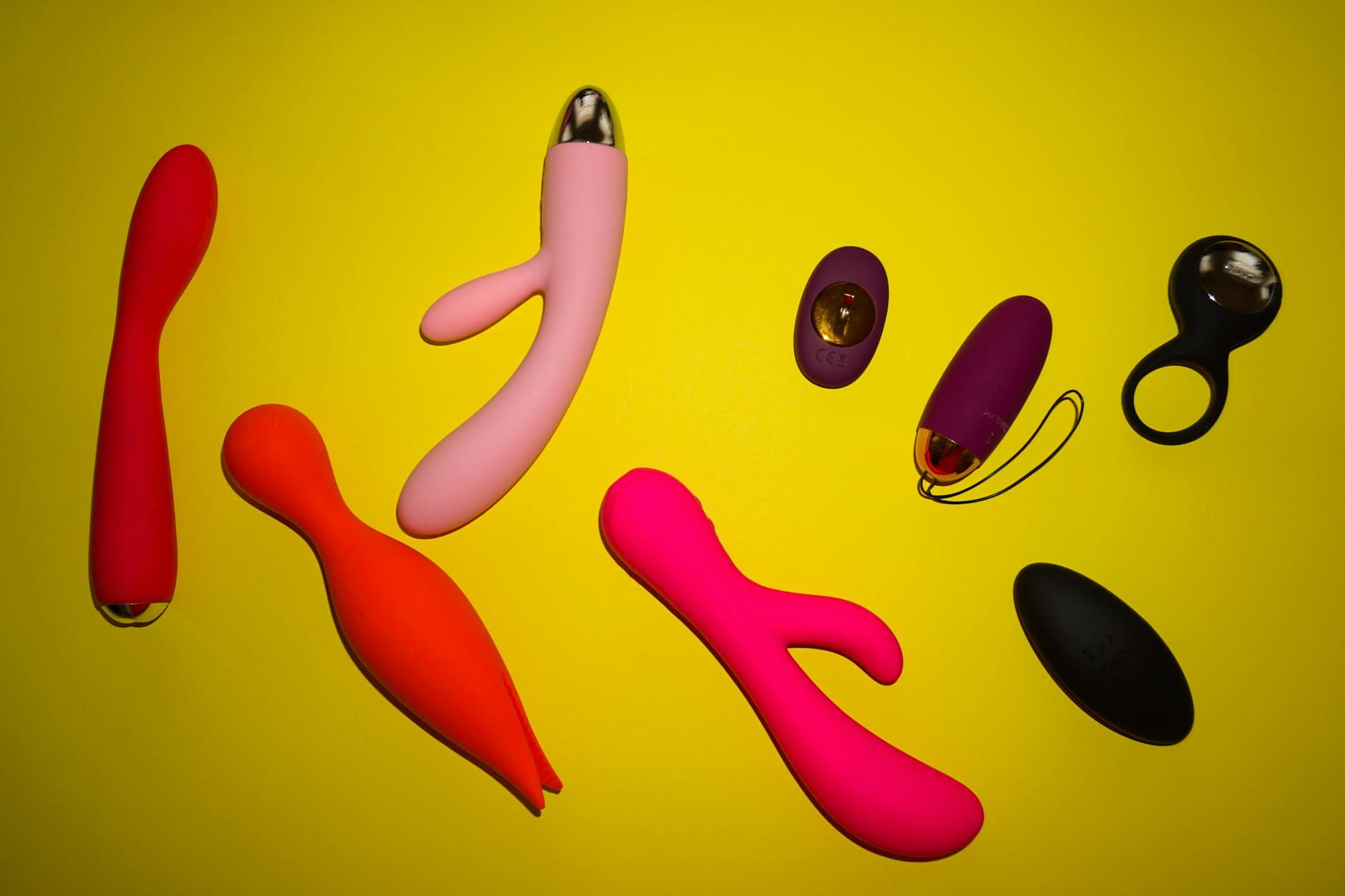
Photo by DRT.fm . on Pexels
Timing and environment matter
Don't introduce a lemon vibrator during a moment of sexual tension or dissatisfaction. That compounds the threat narrative. Introduce it during a good phase. When you're both relaxed. When sex has been working. When your partner isn't already worried about something else.
Also: introduce it privately, at home, not as a surprise mid-sex. Surprises can feel like betrayal, especially to skeptical partners. Collaboration beats surprise every time.
When they stay resistant
Some partners will remain doubtful even after you've explained and shown them. That's a different problem than skepticism. That's discomfort with your pleasure, or control issues, or anxiety that goes beyond the vibrator itself. In those cases, you might benefit from talking to a couples therapist who specializes in intimacy. Not because something is wrong with your relationship, but because pleasure is part of partnership, and both people deserve to feel safe exploring it.
There's a difference between "I'm nervous about this" and "I won't let you do this." One is vulnerability. One is control. Only you know which one you're dealing with.
The truth about lemon vibrators and couples
Lemon clitoral vibrators don't threaten relationships. Shame does. Silence does. Unmet desires do. A vibrator is just silicon and suction. It's what you do with it that matters. When you bring a partner into the exploration. When you explain what you're actually after. When you make them part of the decision. That's when a toy becomes something that deepens trust instead of fracturing it.
Most couples I work with who've navigated toy introduction successfully report better communication overall. Not just about sex. About needs. About what they're willing to try. About asking for what matters.
That conversation changes everything. The vibrator is just the beginning.
FAQ
Will my partner feel replaced if I use a lemon vibrator with them?
Not if you reframe what it does. A lemon clitoral vibrator isn't a replacement for your partner. It's a tool that makes you more relaxed and present during sex with them. Many people find that easier orgasms during partnered sex actually extend the experience and deepen connection, because you're not carrying the pressure of performance.
How do I talk to a skeptical partner about trying lemon vibrators?
Start with your own need, not the toy. Say something like: "I get in my head during sex and it makes it harder to enjoy myself. I've read that lemon vibrators can help with that kind of mental distraction." Center the conversation on your pleasure, not on what your partner isn't doing.
Should I use the lemon vibrator alone first, or introduce it during partnered sex?
Use it alone first. Let your partner see you with it. Normalize it. Then, when you're both ready, bring it into shared sex. Let them watch. Let them help. The transparency dissolves the threat.
What if my partner thinks using a toy means our sex life was failing?
It's worth saying directly: "Things between us are good. This isn't because something was broken. It's because I want to explore what feels even better." Growth doesn't require crisis. You can improve something that's already working.
Can lemon vibrators actually strengthen a couple's intimacy?
Yes, if the introduction is collaborative. When both partners feel heard and involved, the experience becomes something you share rather than something one person imposes on the other. That shared vulnerability and exploration deepens trust.
What if my partner refuses to accept that I want to use a toy?
That's a conversation worth having with a couples therapist. It's not really about the vibrator at that point. It's about whether both people feel safe expressing their needs in the relationship. That's bigger than a toy, and it's worth professional support.
References
Gottman, J. M., & Silver, N. (2015). The Seven Principles for Making Marriage Work. Harmony Books.
Erickson, E. H. (1980). Identity and the Life Cycle. W. W. Norton & Company.
Barker, M., & Langdridge, D. (2010). Understanding Non-Monogamies. Routledge.
Perel, E. (2018). Mating in Captivity: Unlocking Erotic Intelligence. Harper.