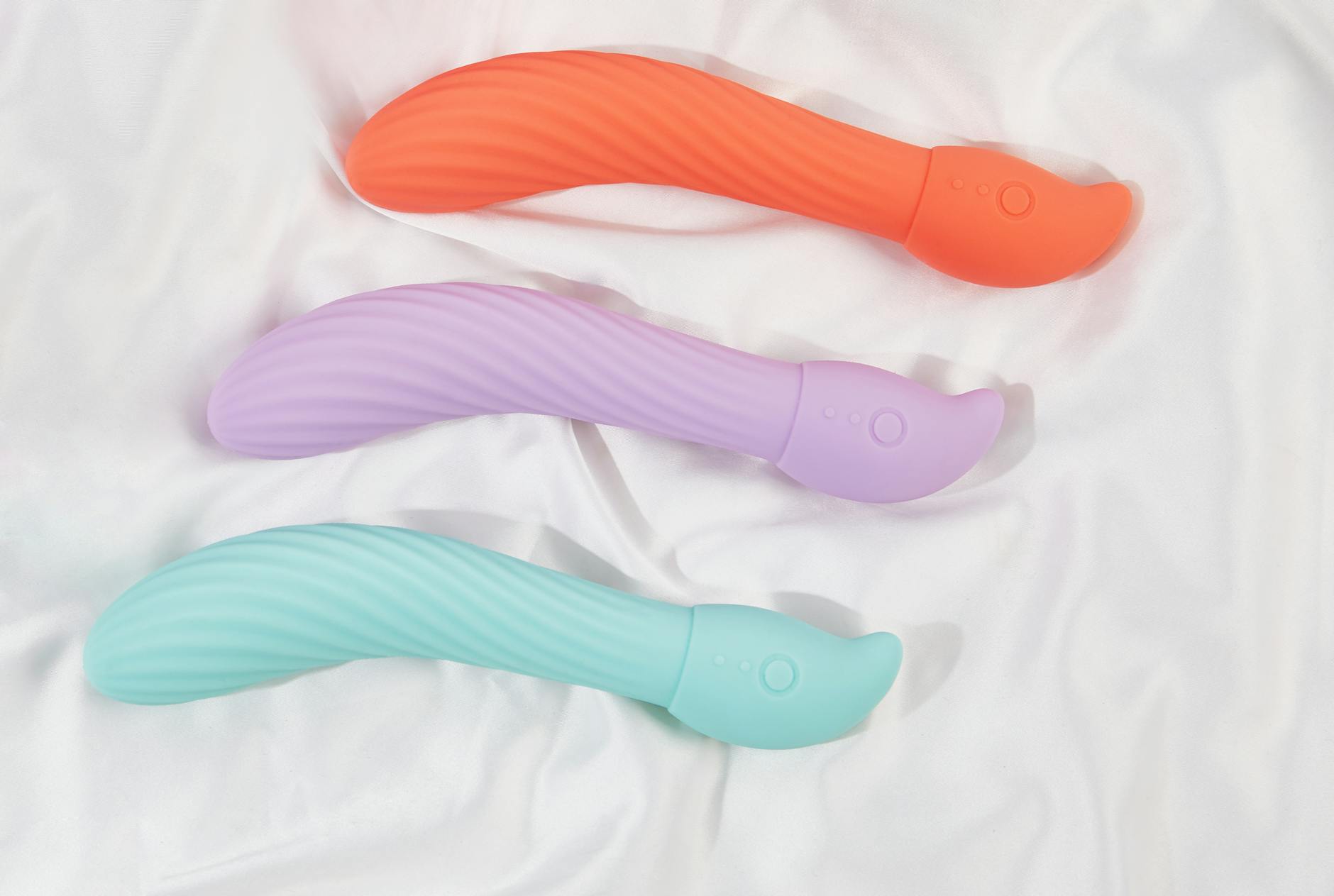
When desire goes missing, it's not personal (but it feels that way)
Let's be real. You weren't always this way. Maybe a year ago you wanted sex twice a week. Maybe five years ago you initiated more than your partner did. Now? The thought of sex feels like a task on a to-do list you're already behind on.
Then comes the guilt spiral. Your partner starts feeling rejected. You start feeling broken. The whole thing becomes a conversation you're both too tired to have.
Here's what I've learned from two decades of working with couples: desire doesn't vanish randomly. It disappears when something in your life has shifted and your body hasn't caught up to the new normal yet.
What actually kills desire mid-relationship
It's rarely about your partner. Really. I know that feels wrong, but here's why it's actually helpful.
Desire tanks when your nervous system is in survival mode. Career stress. Parenting young kids. Health scares. Financial pressure. Caring for aging parents. Moving houses. The stress doesn't have to be catastrophic to wreck your libido. Your brain and body don't distinguish between "real" danger and "real-ish" deadline stress. Both trigger the same biological shutdown.
Desire also disappears when you've stopped touching yourself. You'd be shocked how many people spend years in relationships and forget that solo pleasure exists. Then when couple sex doesn't happen for a bit, there's zero libido anywhere. You've actually rewired your brain to wait for external permission to feel turned on.
Third: routine kills desire faster than anything else. You make dinner at the same time. You get into bed at the same time. You have sex, if you have it, on the same day and in the same way. Your nervous system gets bored. Not your heart. Your literal nervous system needs novelty to stay engaged with pleasure.
Why a lemon vibrator changes the equation
I mention lemon vibrators specifically because air-suction clitoral vibrators work differently than what most people are used to. They don't rely on buzzing frequency to create sensation. They create a gentle suction and pulse that stimulates the external clitoris and the whole clitoral network underneath.
That matters when desire is low because it feels genuinely different from the friction or vibration your partner provides. Different sensation wakes up the part of your nervous system that's been asleep. It's like your clitoris suddenly has permission to pay attention again.
The second reason is more practical: a lemon vibrator is solo. There's no pressure to perform. No worry about whether your partner is enjoying it. No tracking his arousal or waiting for him to be ready. It's just you and a tool designed to feel good. That removal of audience changes everything.
Starting when desire is actually low
Let's not pretend. If your desire is in the basement, the last thing you want to hear is "just relax and enjoy it." You need permission to be bored at first. You need permission to not orgasm. You need permission to stop whenever you want.
Here's how I recommend starting.
Pick a time when you're alone and have zero obligations after. Not Tuesday morning before work. Saturday afternoon when your partner's out for three hours. This sounds obvious, but people skip this step and then wonder why touching themselves feels rushed.
Start clothed. Seriously. Take the lemon vibrator. Run it over your jeans or your underwear for a few minutes. It feels weird. That's fine. You're not trying to orgasm yet. You're literally just reintroducing your body to the idea that pleasure exists and doesn't require anyone else's participation.
Use it on settings 1 or 2. Most lemon vibrators have 5-6 intensity settings. Start at the lowest. It feels less intense than you might expect. That's actually the point. Your nervous system needs a gentle re-introduction, not a shock.
Set a timer for 10 minutes. Not a sex timer. A "permission to stop" timer. You're not trying to have an orgasm. You're not trying to feel amazing. You're trying to spend 10 minutes reconnecting with the fact that pleasure is available and doesn't hurt.
Do this three times before you expect anything to change.
Moving from boredom to something that catches your attention
After a week or two of the clothed, low-setting practice, your nervous system starts waking up. You'll notice you're actually thinking about it on days you're not doing it. That's the sign that desire is starting to return.
Now increase to settings 3-4. Remove the clothes. Spend more time exploring exactly which part of the external clitoris feels best. Most people find that the edges of the clitoral glans feel more intense than the center. Some people prefer the sensation right at the clitoral glans. Spend time mapping this out.
This is crucial: stop looking for orgasm. Seriously. That's the old framework that killed your desire in the first place. You've been goal-oriented about pleasure for so long that it became another thing to achieve. Right now, you're practicing the opposite. You're practicing the sensation being the point.
Many people find that when they stop chasing orgasm, orgasm shows up. Not always. Sometimes it takes longer. That's fine. You're rebuilding the pathway, not forcing it open.
Bringing it back into the relationship
Here's the conversation I recommend having with your partner once you've spent a few weeks solo.
"I've realized my desire has been stuck. It's not about us. It's about me needing to reconnect with my own body first. I'm using a lemon vibrator to help me wake that back up. I wanted to tell you because I want to be honest, and also because it has nothing to do with what's missing in our sex life. It's just for me right now."
That's it. You don't need his permission. You don't need him to be involved. You're just letting him know so there's no secrecy, and also so he understands that your solo pleasure isn't a rejection of him.
Many people find that after a few weeks of solo practice, desire starts returning to partnered sex too. Not always at the same frequency it used to. But it returns because you've reminded your nervous system what pleasure feels like. You've proven to yourself that desire is still in there.
The nervous system piece nobody talks about
Desire isn't just psychological. Your vagus nerve controls your ability to shift from stressed to aroused. When you've been stressed for months or years, your vagus nerve gets trained to stay in the "alert" position. Solo pleasure practice actually helps retrain that nerve.
When you spend 15 minutes a few times a week focused only on sensation and pleasure, you're literally teaching your nervous system that it's safe to downshift. That safety is what desire actually needs.
A lemon vibrator helps because the sensation is novel enough to interrupt the stress pattern. Your brain has to pay attention. That attention is the first step to desire returning.
When it's deeper than desire
If you're three months into solo practice with a lemon vibrator and desire still hasn't budged, something else might be going on. Relationship resentment. Unprocessed grief. Medication side effects. Depression. These all kill desire and a vibrator won't fix them.
That's when you need a conversation with your partner, or a therapist, or both. A lemon clitoral vibrator is a tool for reconnecting with pleasure when desire is dormant. It's not a replacement for addressing the actual thing that shut down your desire.
But in most cases? When desire has disappeared because life got overwhelming and you stopped touching yourself? A few weeks of solo practice with a tool designed to feel good often brings it back. Not to where it was necessarily. But to a place where you want sex again, even if it's just with yourself.
FAQ
How long does it take for desire to return when using a lemon vibrator?
Most people notice a shift within 3-4 weeks of consistent solo practice. That doesn't mean orgasms show up. It means you start thinking about pleasure again. You might have that moment where you're doing laundry and suddenly remember how good sensation felt. That's desire waking up. Full desire, the kind where you're initiating with your partner or wanting sex multiple times a week, can take 2-3 months depending on what else is going on in your life.
Should I tell my partner I'm using a lemon vibrator?
Yes, eventually. Not as a confession or a problem-solving strategy. Just as basic honesty. Something like "I've been using a vibrator to reconnect with my own pleasure" is enough. If your partner gets defensive, that might be a separate conversation worth having with a couples therapist. But secrecy around solo pleasure tends to make desire stay lower because you're adding a layer of shame back onto something that's supposed to feel good.
Does using a lemon vibrator mean there's something wrong with my partner?
No. This is so important. Your desire going dormant is almost never about your partner being bad at sex or not attractive anymore. It's about your nervous system being overwhelmed. A lemon vibrator helps you reconnect with pleasure on your own first, which then sometimes makes partnered sex feel better too. It's not a commentary on him.
Can my partner use the lemon vibrator on me if my desire is low?
Sometimes. If you're comfortable with it and you genuinely want it, yes. But I often recommend starting solo because there's less pressure and fewer emotions floating around. Once you've reconnected with pleasure by yourself, partnered use of a lemon clitoral vibrator can feel really good. Just make sure you're not agreeing to it to make him feel better or to "fix" the problem. Use it because you want to.
What if I orgasm quickly with a lemon vibrator but not with my partner?
This is incredibly common and usually means your nervous system is more relaxed and focused when it's just you. Your brain isn't tracking his pleasure or worrying about how long it's taking. When desire returns and you want to bring a lemon vibrator into partnered sex, you might notice the same pattern. That's fine. You can orgasm with the vibrator and then have partnered sex, or use it together. There's no "should" here.
Is using a lemon vibrator addictive?
Not in the way addiction actually works. Can you prefer the sensation of a lemon vibrator to partnered sex for a while? Sure. That often means you need to either use the vibrator with your partner or do some of the solo work mentioned above to rebuild desire. But you can't actually become addicted to the vibration frequency. Your body just might prefer the specific sensation for a bit.
The real work starts with yourself
Desire doesn't return because you buy the right toy. It returns because you decide your pleasure matters enough to spend 15 minutes a few times a week on it. A lemon vibrator is just the tool that makes that easier. You're the one doing the work. And that work, honestly, is one of the kindest things you can do for yourself and your relationship right now.