When grief kills the mood, it's not because you're broken
Let's be real: grief shuts everything down. The desire to laugh, to eat, to plan a future. And yeah, to have sex or touch yourself in ways that once felt natural. Your body isn't malfunctioning. It's in survival mode, and pleasure gets deprioritized when your nervous system is processing loss.
What makes this feel even worse is the silence around it. No one talks about how grief erases desire. We talk about grief's anger, its exhaustion, its fog. But the sexual numbness? That usually gets tucked away, leaving you wondering if you'll ever want anything again.
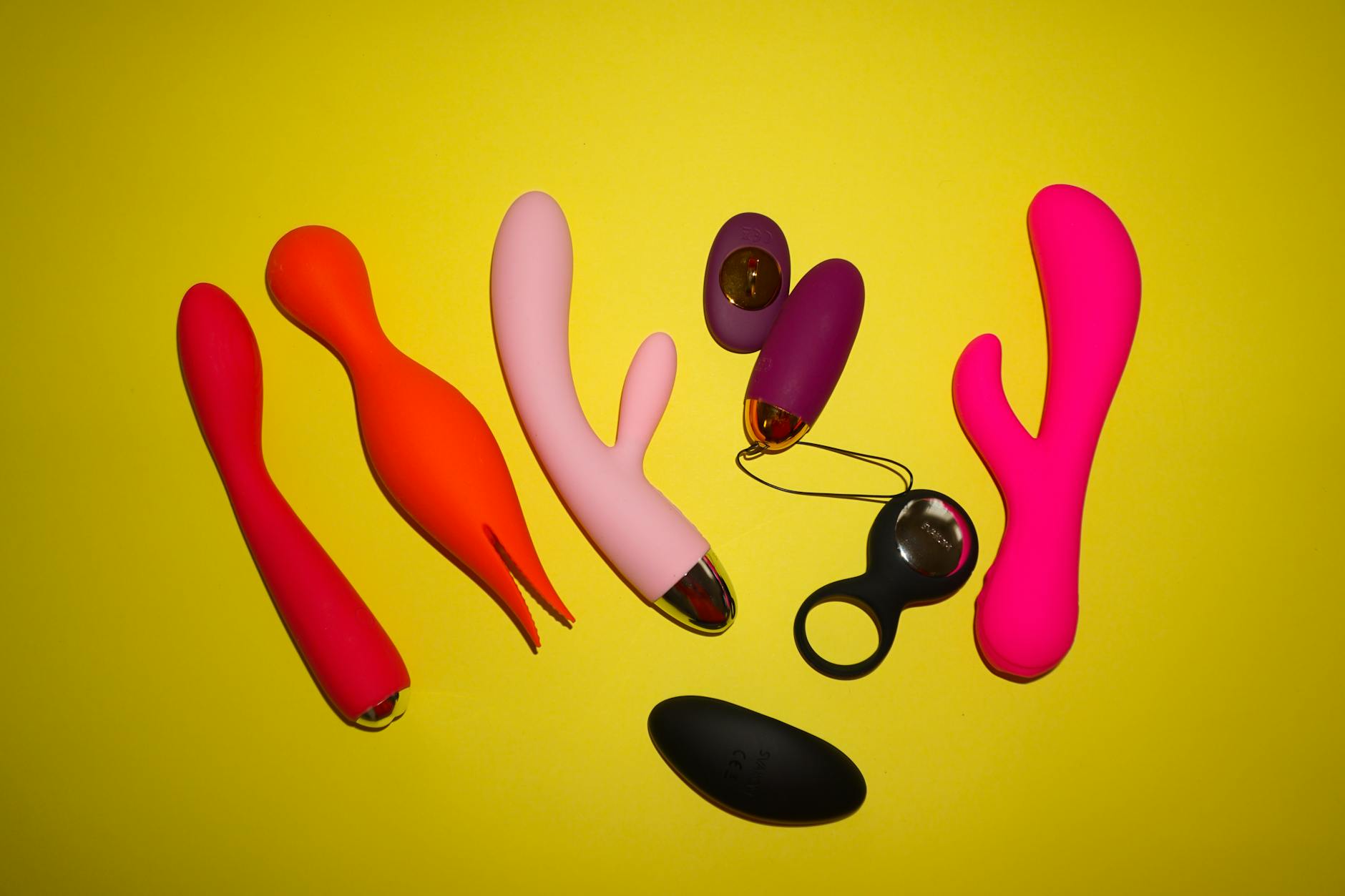
Here's what actually happens when you're grieving, and why lemon clitoral vibrators specifically can help you rebuild that connection without forcing it.
How grief changes your nervous system
When you lose someone, your body enters a prolonged state of hypervigilance. Your sympathetic nervous system (the gas pedal) is pressed down hard. Cortisol stays elevated. Your parasympathetic nervous system (the brake pedal) gets suppressed. This is protective. It keeps you functional.
But desire lives in the parasympathetic system. Arousal requires safety, relaxation, and a sense that it's okay to feel good. When your nervous system is locked in survival mode, those signals get muted. It's not willpower. It's biology.
The clitoris specifically becomes less responsive. Blood doesn't flow as readily. Touch that once felt electric becomes just touch. For many people in early grief, this numbness is actually a gift. Pleasure would feel like betrayal. Feeling good would mean you're moving on.
But six months in, a year in, two years in. You start wanting your desire back. Not because grief is over. But because you're ready to live alongside it instead of disappearing into it.
Why lemon sexual toys work differently when you're numb
Traditional vibrators work by friction and intensity. You need a baseline of sensation to feel them. When grief has dulled your nerve endings, a standard vibrator might feel like nothing. Or it might feel like pressure without pleasure. Frustrating either way.
Lemon suction toys work through a completely different mechanism. Instead of friction, they create a gentle vacuum around the clitoris. This suction stimulates the nerve endings differently. It requires less baseline sensation to feel it. And critically, it feels less like "performing pleasure" and more like being held.
When you're grieving, that distinction matters. A lemon clitoral vibrator doesn't ask you to get anywhere. It just offers gentle stimulation without the expectation that you'll climax. You can sit with the sensation. Let it remind your body that feeling exists. That you still deserve tenderness even while you're falling apart.
Starting the conversation with your body again
If you have a partner, they might feel the loss too. Not just of the person who died, but of your shared intimacy. The thing to know: you can't negotiate grief. You can't speed it up by trying harder or wanting more. But you can create small moments where pleasure is invited back in, gently.
Set a time when you're not exhausted and the kids aren't home and the phone isn't ringing. Not a "let's have sex" time. A "let's see what my body feels like" time. Some people find this easier alone first. That's valid. You're relearning your own landscape before inviting someone else into it.
If you're using a lemon vibrator solo, start with the lowest setting. You're not trying to orgasm. You're trying to feel. Spend ten minutes just sitting with the sensation. Notice what comes up. Sometimes numbness. Sometimes a flash of the old feeling. Sometimes tears. All of it is okay.
Creating safety in your body while you're grieving
Greef lives in your nervous system. So does pleasure. You can't access one without working with the other. Three things that help:
Slow down the whole process. Don't schedule intimacy around when you think you "should" want it again. Wait until you feel a faint spark. That spark is permission. When you feel even a whisper of desire, that's the time to pick up a lemon toy and explore.
Use lube even if you think you don't need it. Grief can tighten the pelvic floor. Your body might be physiologically ready before it feels psychologically ready. Water-based lube (always water-based with silicone toys) is a way of signaling to your body: this is safe, this is gentle, you don't have to white-knuckle through this.
Build in physical rest. Sometimes the numbness after grief isn't sexual numbness. It's physical exhaustion. Your nervous system has been working overtime. A lemon adult toy can feel good, but so can a hot bath and sleep. Honor what your body actually needs.
What happens when pleasure returns before grief is "done"
One of the scariest moments in grief is the first time you laugh, or want sex, or find yourself actually happy for five minutes. Because immediately, guilt arrives: how dare you feel good when they're gone. You're forgetting them. You're moving on too fast.
You're not. Your body is just slowly, incrementally shifting out of survival mode. Desire returning doesn't mean grief is over. [It means you're rebuilding the capacity to hold both at once.] Many people find that the first time they have good sex or a strong orgasm after a loss, tears come too. That's normal. Your body is processing. You're saying yes to life and yes to loss at the same time.
Using a lemon clitoral vibrator during this transition can actually help. Because unlike a partner, it doesn't require explanation. You can have an orgasm, cry, rest, and move on with your day. No conversation needed. No checking in. Just you, your body, and your own timeline.
When to seek additional support
If numbness persists beyond a year, or if pleasure feels actively painful (guilt-wise, not physically), talking to a grief counselor or therapist can help. Grief isn't linear, and sometimes desire stays low not because it's a normal grief response, but because you're stuck in a particular kind of stuck.
The same goes physically: if you notice sharp pain during self-pleasure, or if lubricant and gentleness aren't helping, see a pelvic floor physical therapist or your GP. Grief can manifest as physical tension, especially in the pelvis. A professional can help you release that tension.
But most of the time, desire returns on its own timeline. A lemon suction vibrator is just permission to meet your body where it is right now.
The thing nobody tells you about grief and sex
Your desire will come back. It might look different. It might be softer, or more intentional, or less frequent. You might need more time to warm up, more conversation, more safety. You might find that your pleasure deepens because you're no longer taking it for granted.
And in the meantime, you're allowed to feel nothing. To be numb. To use tools like lemon clitoral vibrators not because you're "working through" grief, but because you're staying gently in touch with the fact that your body still exists, still feels, still deserves care.
Greif doesn't end intimacy. It pauses it. And when you're ready, lemon sexual toys offer a low-pressure way to let desire whisper hello again.