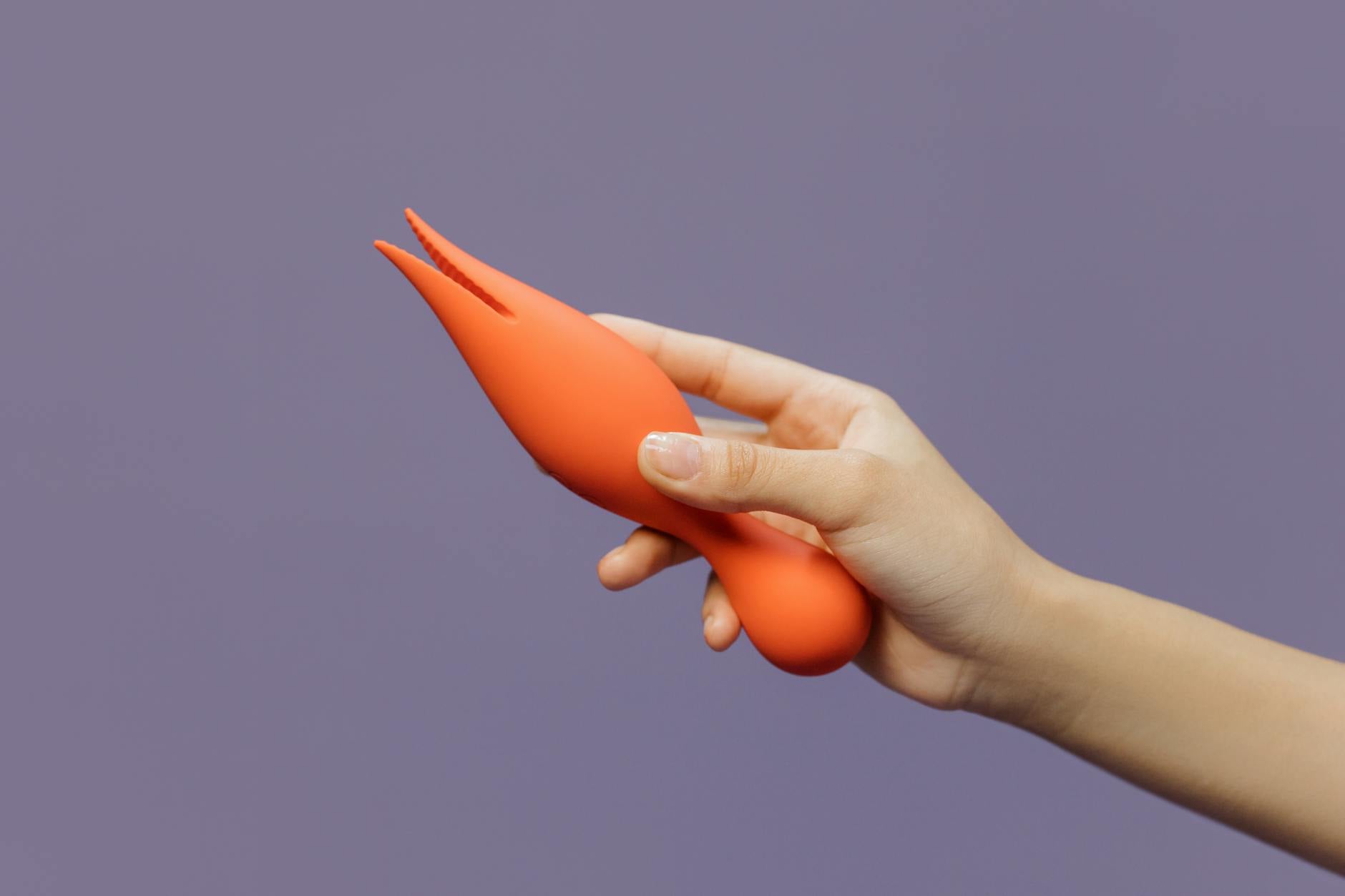
Hormone therapy changes sensation. Not in a bad way. Just differently.
If you're starting hormone replacement therapy (HRT) as part of your transition, your body is entering a period of significant change. Some of that change is emotional and social. Some of it is purely physical, happening at the cellular level. Your pleasure practice needs to shift with it, and that's not a punishment. It's an opportunity to rebuild your relationship with sensation from the ground up.
Lemon vibrators, especially suction-based devices like the Lem, respond really well to the tissue changes that come with hormone therapy. But the relationship isn't automatic. You need to understand what's happening in your body first, then adjust your approach accordingly.
What hormone therapy does to sensation and arousal
Hormone therapy affects tissue, blood flow, and neural sensitivity in ways that matter for pleasure. Here's the practical breakdown.
If you're starting estrogen-based therapy, your tissues will gradually become more vascularized and sensitive to touch. The clitoris may increase in size slightly, and the skin becomes more delicate. This happens over weeks to months, not overnight. Some people report heightened sensitivity that borders on uncomfortable in the first 4-8 weeks. Others notice almost nothing until month three, then suddenly sensation sharpens.
If you're starting testosterone-based therapy, arousal builds faster. Your body moves from a "I need 20 minutes of foreplay" rhythm to "five minutes of attention and I'm there." This can feel thrilling or overwhelming, depending on your mindset and your environment. Desire often increases noticeably by week two or three, then continues to evolve.
Both paths change lubrication patterns. You might produce more natural lubrication, or less. You might notice that arousal lubricates differently than it did before. Water-based lubricant becomes either a comfort or a non-issue, depending on your individual response.
Neural pathways for pleasure don't change. Your brain still knows how to process stimulation and build toward orgasm. What changes is the physical staging. Same theater, renovated set.
Why lemon vibrators work particularly well during early transition
Lem vibrators and other lemon suction toys function through gentle suction and gentle pulsation, not high-speed friction. This matters because your tissues are literally adapting to new hormonal environments.
During the first 6-12 weeks of hormone therapy, many people experience temporary tissue sensitivity that raw vibration can aggravate. Suction-based stimulation works differently. It stimulates the nerve clusters under the skin without the same mechanical pressure. For people whose clitoris is becoming more sensitive, or whose tissues are still adjusting to new blood flow patterns, that distinction is real.
Second, lemon clitoral vibrators give you granular control. You're not locked into one intensity. Most devices have 4-10 settings. You can start at pattern one and work upward as your body signals readiness. That's harder to do with traditional vibrators, which often jump from mild to intense with almost no middle ground.
Third, suction feels good to a much wider range of bodies during hormonal shifts. People who've never enjoyed vibrators before sometimes find that the Lem or comparable lemon suction toys work for them because the sensation is fundamentally different. Less aggressive, more meditative, easier to build with.
How to start your lemon vibrator practice during transition
Timing matters. Most gender-affirming clinicians recommend waiting 4-6 weeks after starting HRT before introducing any new sensation practice. Your nervous system is processing a lot of change. Give your body a chance to settle into the new hormonal reality before layering in new stimulation.
When you're ready, here's the process.
Start with the lowest setting on your device. If you own a lemon vibrator with five or more patterns, begin at level one or two. Spend 10-15 minutes exploring how the sensation feels now, compared to how it felt before. Your body might surprise you. Some people find that sensation that felt meh before transition suddenly feels electric. Others find they need more time to warm up than they used to.
Pay attention to texture and temperature. Your clitoris might feel more sensitive to touch, or less. It might prefer a specific pattern that you wouldn't have guessed. If numbness is part of your experience, lemon vibrators with variability in pulse pattern (not just intensity) often work better than steady vibration. Rhythm changes engage attention in a way that flat buzzing sometimes doesn't.
Use plenty of lubricant, even if you think you don't need it. Hormone therapy can make lubrication patterns unpredictable. Water-based lube is your friend. It won't interfere with silicone toys, and it adds a glide component that makes suction feel even more comfortable.
Keep sessions short and frequent rather than long and intense. Your nervous system is rewiring itself. Ten minutes with the Lem, three times a week, teaches your body how to respond to the new hormonal landscape much better than one 45-minute marathon session. You're training your pleasure circuits, not proving anything.
If numbness or difficulty reaching orgasm shows up, that's not permanent and it's not unusual. Some people experience a 2-4 week dip in sensation around weeks 8-12 of HRT while their nervous system recalibrates. This passes. Lemon clitoral vibrators help bridge that gap because they don't require you to "perform" an orgasm. You can just experience the sensation and let pleasure build at its own pace.
Managing expectations during the adjustment window
Hormone therapy isn't a pleasure switch that flips on day one. For some people, it genuinely is transformative within weeks. For others, it takes months. Both are completely normal.
If you started therapy because you expected your libido to skyrocket and it hasn't, that's worth checking in about. Sometimes low desire is a side effect of the specific hormone protocol you're on. Sometimes it's psychological. Sometimes it's both. A relationship coach or therapist who understands trans and non-binary experience can help untangle that. How to use a lemon vibrator when antidepressants are affecting your libido covers some of that territory if depression or anxiety meds are also in play.
If numbness shows up instead of sensation, the Lem and comparable lemon suction toys can actually help retrain your nervous system because they engage sensation differently than traditional vibrators. Many people find that alternating between suction and rhythmic vibration helps their nerves "wake up" faster than either alone.
Partnered pleasure during hormone transition
If you have a partner, this is a conversation worth having early and often. Your body is changing, and so are your pleasure preferences. They might not. They might shift in unpredictable directions. Both of those outcomes are real.
The most useful thing you can do together is separate the conversation about your body's response from the conversation about emotional connection. "My arousal pattern is different now" is not the same as "I don't want you." Confusing the two creates unnecessary friction.
If you're interested in exploring together, bring them into your solo exploration first. Show them what the Lem feels like, walk them through your sensation preferences as they're evolving, let them see what level and pattern you're enjoying. Some partners find that reassuring. Others find that clinical approach useful for learning your new map. Everyone's different.
For people whose partners are navigating their own pleasure during your transition, how to use a lemon vibrator with partners who have different pleasure preferences gets into that territory specifically.
When to check in with your medical team
If pain develops where there was none before, or if numbness or difficulty climaxing doesn't shift after three months of consistent practice, mention it to your HRT provider or a pelvic health specialist. These are rarely emergencies, but they're worth addressing because they sometimes signal that your current hormone dose or protocol might need adjustment.
If your libido drops significantly but your mental health is stable and mood is fine, that's also a check-in conversation. Some hormone protocols are better for desire than others. You might not need to change everything. Sometimes small tweaks to timing or dosage make a huge difference.
Most importantly, trust your body. Hormone therapy is a process, not an event. Your pleasure practice during transition is meant to support your exploration and reconnection with sensation on your own terms. Lemon vibrators and clitoral vibrators in general are useful tools in that process because they meet your body where it actually is, not where you think it should be.
Frequently asked questions
How long does it take to feel sexual sensation again after starting HRT?
It varies widely. Some people notice heightened sensation within 2-3 weeks. Others take 8-12 weeks. A few describe the shift as gradual and subtle across the entire first year. The timeline depends on your specific hormone dose, your individual neurology, and where you started. If numbness or reduced sensation extends beyond three months, check in with your provider.
Can I use a lemon clitoral vibrator if my tissue is super sensitive right now?
Yes, actually. Start at the lowest setting and approach it as exploration rather than climax-chasing. Many people find that suction-based stimulation is gentler on newly sensitive tissue than traditional vibration. The Lem's patterns are particularly useful here because you can experiment with rhythm changes without cranking intensity.
Will my clitoris size change on hormone therapy, and does that affect how vibrators feel?
Some people experience modest growth of the clitoris on testosterone-based therapy. Some don't. Neither outcome is wrong. If growth does happen, it usually takes months and is subtle. You might notice that patterns that felt scattered before suddenly feel more concentrated. Repositioning your device slightly often helps you find the sweet spot again.
What if I have no sexual desire at all, even after hormone therapy starts working physically?
Desire and physical sensation are separate systems. Low desire during early transition can be psychological (adjustment, identity work, nervous system recalibration), medical (hormone dose, other meds), or relational. It can also be all of the above. A therapist or coach familiar with trans experience can help you sort that out.
Is it normal for orgasm to feel different on hormone therapy?
Completely normal. Some people report that orgasms feel more intense. Others describe them as more localized or spread out. Some people take longer to build but experience deeper release. None of these variants are better or worse. They're just different. Lemon vibrators help you explore and adapt to your new pattern without judgment.
Can I still use my old vibrators, or do I need to switch to a lemon suction toy?
You don't need to switch, but many people find that their old devices feel jarring on newly sensitive tissue. Lemon vibrators and suction-based toys are worth trying because the sensation profile is genuinely different. Some people end up using both depending on the day and their current state. There's no rule here. Your body will tell you what works.
Your pleasure matters as much as your body's changes
Hormone therapy is a profound physical transition. Your pleasure practice can be part of how you reconnect with your body on your own terms, with devices and approaches that actually fit who you are now. The Lem and comparable lemon clitoral vibrators are genuinely useful for people navigating this particular stretch because they offer control, gentleness, and sensation variety all at once.
Trust the process. Trust your body. And reach out to our team at My Lems if you have questions about how any of our lemon vibrators might work for you specifically. We're here to help.