Here's what nobody tells you about ED and partnered sex
When erectile dysfunction enters a relationship, both partners usually assume the same thing. Sex as you knew it is over. But that's not actually what's happened. What's happened is that your old script stopped working, and you're both frozen waiting for it to start again.
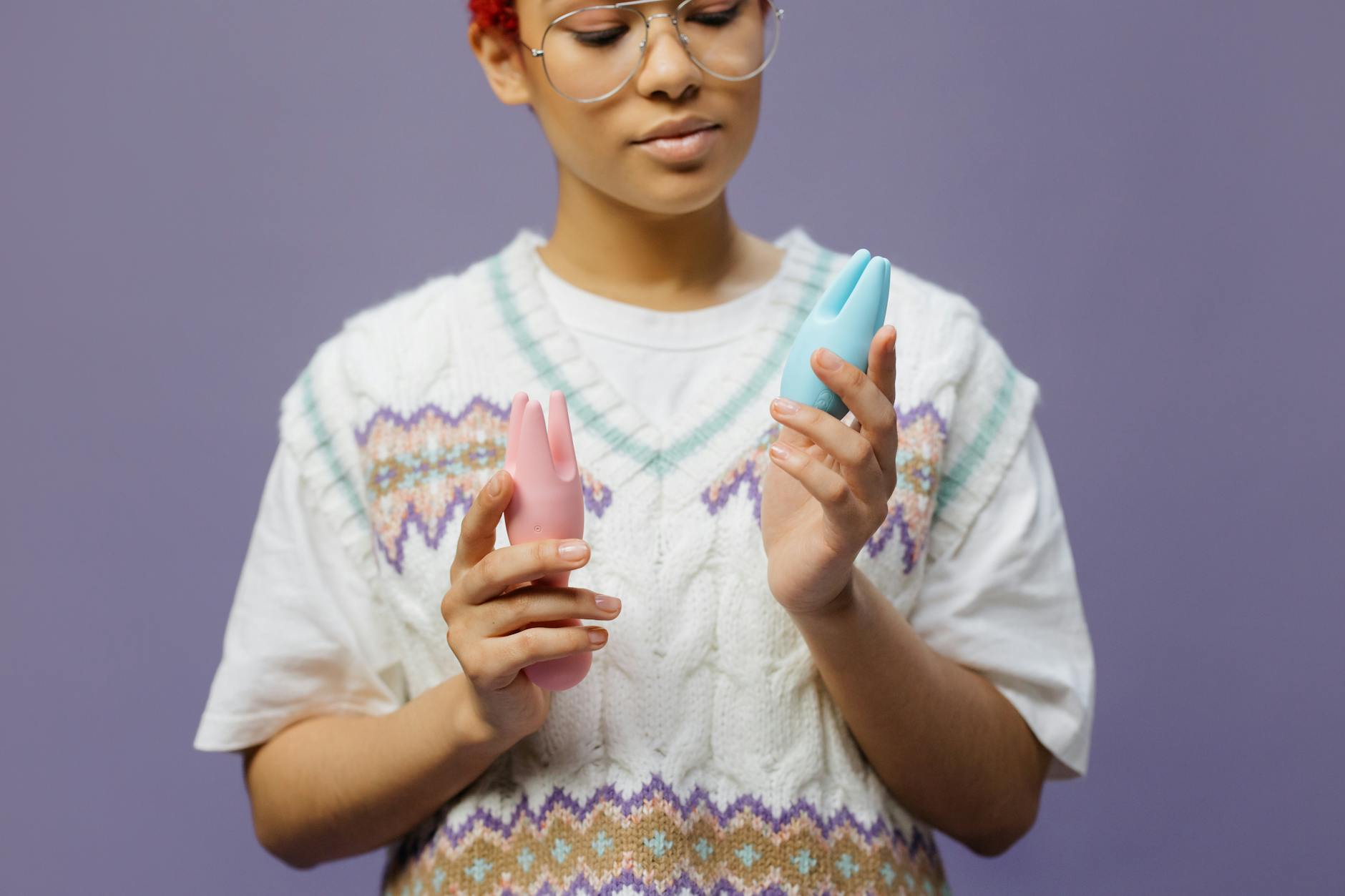
Lemon vibrators, specifically clitoral vibrators like the Lem, fundamentally change this dynamic because they shift focus entirely. They remove the pressure of performance that sits on your partner's shoulders and open a door to pleasure that doesn't depend on anyone's erection. That's not a workaround. That's freedom.
Why ED creates a pleasure drought for both partners
Here's the physiology first, then the psychology. Erectile dysfunction means your partner's body isn't responding the way it used to. But the real crisis in the bedroom isn't physiological. It's psychological. The moment ED happens, both partners often lock into a pattern: he gets anxious about performance, she stops initiating out of compassion (or frustration), he feels guilt and shame, she feels rejected, and neither of you touches each other for months.
The anxiety itself becomes the problem. Performance anxiety actively prevents erections from happening. It's a feedback loop. And meanwhile, your pleasure gets caught in the wreckage.
This is where lemon vibrators enter the picture. A clitoral vibrator doesn't care about his erection status. It doesn't depend on his body cooperating. It creates a space where your pleasure is the focus, decoupled entirely from his performance.
The shift that changes everything
Most couples try to solve ED by adding intensity. Longer foreplay, more stimulation, supplements, therapy. All valid. But they're still trying to recreate the old script. What works better is changing the script entirely.
Introduce a lemon vibrator into partnered sex with the explicit frame: "This is for your pleasure, not a supplement to what I can't do." That distinction matters. When your partner sees the vibrator as evidence of his failure, it backfires. When he sees it as a gateway to your pleasure that he gets to witness and be part of, the whole energy shifts.
Many couples report that the first time they use a lemon clitoral vibrator together, they have better sex than they've had in years. Not because the toy is magic, but because the pressure finally lifts.
How to introduce it without the awkwardness
Timing matters. Don't bring it up during sex or during a "we need to talk" moment. Bring it up neutrally, outside the bedroom, when neither of you is vulnerable. "I read that a lot of couples use clitoral vibrators together, and I'm curious what you think about trying one." Curiosity, not desperation.
If he's hesitant, get specific about what you need: "I miss feeling pleasure in sex. I think this could help me get there." That's the truth. His ED isn't your problem to solve by going without. Your pleasure matters. Saying that out loud is the hardest part.
When you do introduce the lemon vibrator, start in a non-pressured context. Not when you're trying to have sex. Just during foreplay or touching, in a way that feels like exploration, not performance correction. Many partners find that using it on you while he's getting oral sex, or while you're both just touching each other, takes all the pressure off and lets him focus on connection instead of erection.
What lemon vibrators actually do in this situation
Clitoral vibrators like the Lem use suction stimulation instead of traditional vibration. This has a specific advantage when ED is in the room. Suction feels very different from what his body provides, so it doesn't trigger the "I should be able to do that" comparison. It feels like something new, not a replacement.
The other advantage: the Lem takes time to build sensation. You don't turn it on and immediately have an orgasm. You build toward it. This means sex becomes longer, more exploratory, and less focused on "Is this working?" Your partner can touch you, kiss you, use his hands while the vibrator is running. He's still actively part of your pleasure.
Many couples find that when there's a lemon clitoral vibrator involved, partnered sex shifts from performance-focused to sensation-focused. That benefits everyone, especially when one partner's body isn't cooperating.
The emotional architecture that actually works
ED is often as much about shame as it is about physiology. Your partner might feel like less of a man, less of a partner, less able to please you. Those feelings don't go away because you buy a toy. They go away because you show him, through how you touch him and how you use the toy, that his worth isn't tied to his erection.
This means: use the vibrator in ways that include him. Guide his hand to hold it. Ask him to choose the intensity. Have him watch and tell you what he likes. Make it collaborative. When he participates in your pleasure actively, he stops feeling like a bystander to his own dysfunction.
Also, and this matters: keep touching him the same way you always did. Hand jobs, oral sex, whatever worked before. Don't abandon that because his erection is unreliable. The body remembers touch. Pleasure without performance pressure often triggers arousal naturally.
When to bring in more support
Lemon vibrators help rebuild intimacy and pleasure when ED is the issue. But they're not a replacement for medical care. If your partner hasn't seen a doctor, that's the first step. ED is often treatable, whether with medication, therapy, or lifestyle changes. A sex therapist who specializes in couples can also help you navigate the emotional fallout and rebuild the sexual connection.
The vibrator isn't the solution. It's part of the picture. Combined with medical support and honest conversation, it creates space for pleasure to come back.
What comes after the first time
After you've used a lemon vibrator together once or twice, something usually shifts. The pressure lifts. You're not waiting for his body to cooperate. You're both focused on sensation. He might find that removing that pressure actually helps his erections return naturally. Or maybe they don't come back the way they were, and you've both figured out that partnered sex can look different and feel better.
Many couples find that lemon clitoral vibrators become part of their regular rotation. Not because of ED, but because everyone's pleasure got better once the pressure left the room. That's the real win. The tool itself matters less than what it gives you permission to do: focus on sensation, on pleasure, on connection, without anyone's body having to perform on cue.
Your pleasure matters. His pleasure matters. ED is real, and it's hard, but it doesn't have to be the end of either one.
People also ask
Will using a lemon vibrator make his ED worse?
No. ED gets worse when shame and performance anxiety increase, not when pleasure increases. In fact, using a lemon clitoral vibrator together often reduces the anxiety that's perpetuating ED. When sex stops being about his erection and starts being about your pleasure, the pressure releases. Many men find their function improves once that pressure lifts. Even if it doesn't, you've both figured out how to have good sex anyway.
Can we use a lemon vibrator if he can't maintain an erection long enough?
Yes. One of the gifts of a clitoral vibrator is that it doesn't depend on his erection. You can use it whether he's hard, semi-hard, or soft. It works while you're doing other things. Many couples use the vibrator while providing oral sex or hand stimulation to each other. The erection becomes irrelevant to your pleasure.
Does using toys mean I don't find him attractive anymore?
No. Using a lemon vibrator doesn't mean you've lost attraction. It means you've found a way to stay connected when one part of partnered sex stopped working. Many couples who introduce vibrators report feeling more attracted to each other because the shame and avoidance finally stopped. Attraction builds on feeling desired and wanted. A vibrator can actually deepen that feeling.
What if he feels threatened by the vibrator?
This is common and worth addressing directly. His feelings make sense. ED is already threatening his sense of masculinity. A vibrator can feel like evidence that he's not enough. Frame it differently: "This isn't because of you. This is for us. I want to feel good, and I want us to stay connected." Show him how it works. Let him participate. When he sees the vibrator as a tool that brings you closer rather than one that replaces him, the threat often eases.
Is it normal for him to want to use the vibrator on me?
Completely normal and actually ideal. When your partner uses a lemon clitoral vibrator on you, he's still actively pleasuring you. He's in control. He's part of it. This often feels much less threatening than you using it solo. It's collaborative intimacy, which is exactly what ED has disrupted. Rebuilding that together, with the vibrator as a shared tool, helps both of you feel connected again.
How do I know if we should try this or go straight to a sex therapist?
You don't have to choose. Try it. If it helps, great. If it doesn't, or if you're both struggling with the emotional weight of ED, get professional support. A marriage and family therapist who specializes in intimacy issues can help you navigate both the physiology and the relationship impact. What matters is that you both feel heard and that pleasure stays a possibility in your partnership.
The permission you actually need
Here's what I tell couples navigating ED. Your pleasure doesn't end because his erection did. Your partnership doesn't end. Sex changes shape, sometimes permanently, and that's okay. Lemon vibrators and other tools exist precisely for moments like this. When the old script breaks, you get to write a new one. That new script might actually be better.
Start talking. Start touching. Start exploring what feels good now, not what felt good before. Your connection is still there. It's just been buried under performance pressure and shame. A lemon clitoral vibrator won't fix those feelings. But it gives you permission to step outside them and remember that pleasure is still possible. For both of you.