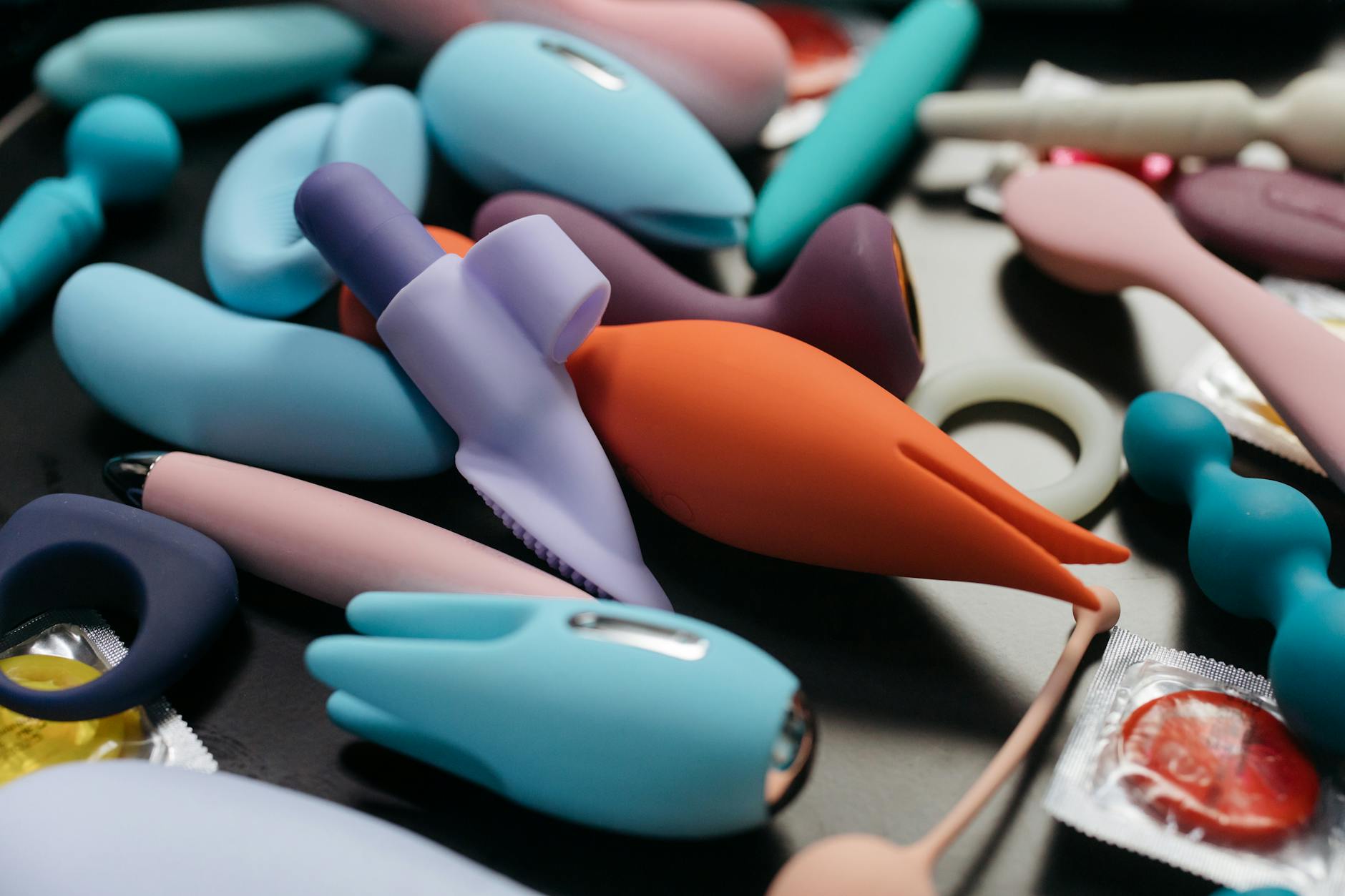
Let's name what's happening here
Your partner wants to buy a lemon clitoral vibrator. Great. But they've also said they want to try it alone first, without you in the room, before you ever use it together. And now you're reading this because some part of you feels uncertain. Maybe a little excluded. Maybe you're wondering if that's a red flag, or if you're supposed to feel relieved, or if this is somehow about something else entirely.
It's none of those things. It's actually one of the smartest moves a couple can make.
Why solo exploration is the opposite of rejection
Here's the thing nobody explains: your partner's body is a completely different experience for them than it is for you. They know where the sensitive spots are. They know what pattern builds arousal fastest for their nervous system. They know exactly what kind of pressure feels good versus what makes them tense up. You don't. You could spend months guessing.
When your partner explores a lemon vibrator alone first, they're not opting out of partnered pleasure. They're creating the foundation for it. They're learning what settings work, what angles feel best, how long warm-up takes, what rhythm actually gets them there. That knowledge is priceless. Once they have it, they can actually guide you. They can say "start here, go slower, that angle again." Instead of you both fumbling around wondering if it's even working.
This is also about confidence. The first time you use a new toy is awkward. Pressure builds differently. Sensation might feel weird. Orgasm might not happen on schedule, or it might happen weirdly fast. All of that is way easier to process alone, when the only person watching is yourself.
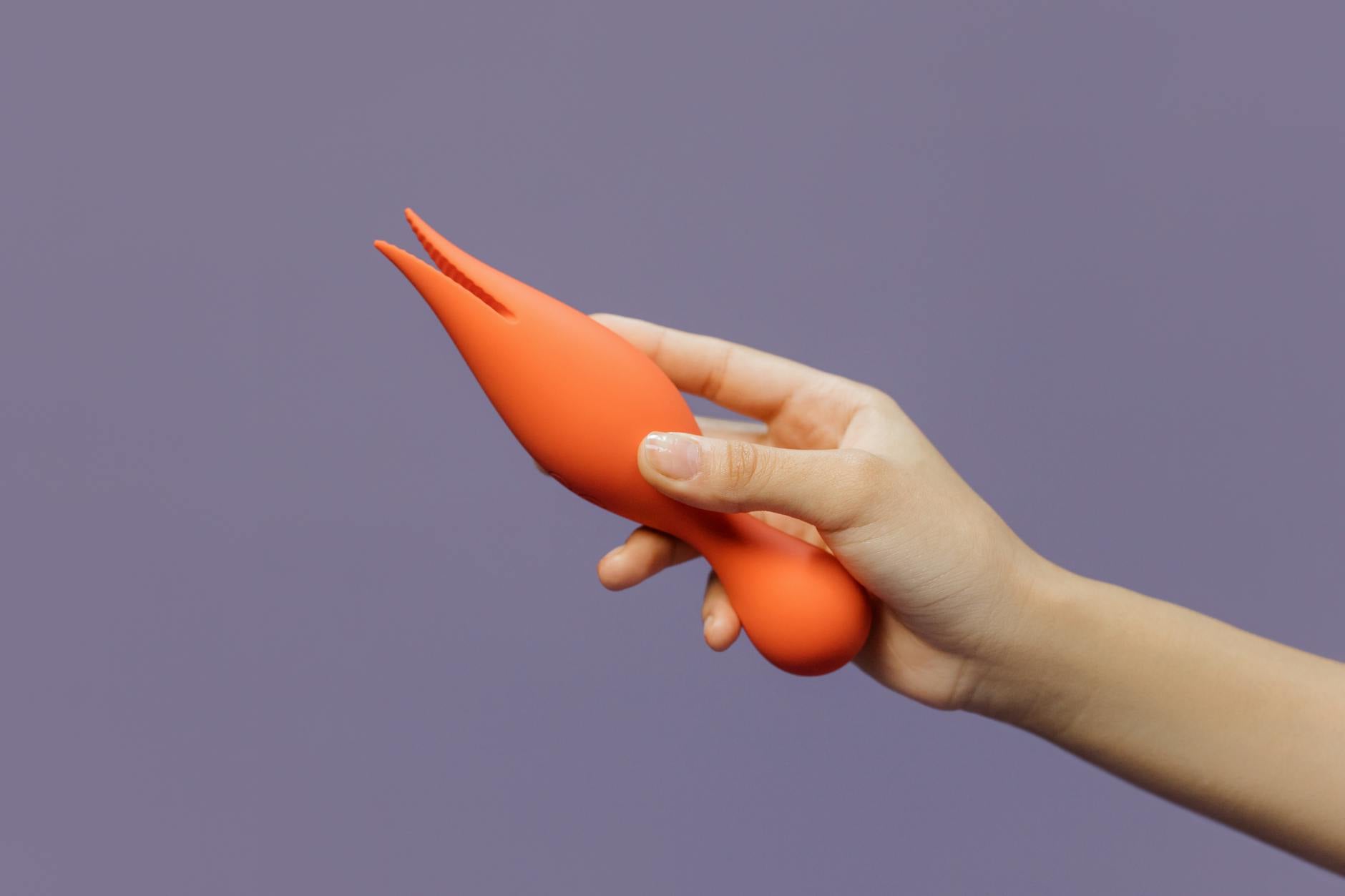
Photo by cottonbro studio on Pexels
What your partner is actually doing in those solo sessions
They're running an experiment. A really valuable one. Here's what that looks like:
Setting up space. Finding privacy, time, maybe dimming lights or playing music. Creating an environment where they can focus without thinking about whether you can hear them or what you're doing in the other room.
Learning the controls. Lemon clitoral vibrators have different patterns and intensities. Your partner is probably testing all of them. Finding out which ones feel good immediately and which ones take time. Which ones make them tense up. Which ones feel like they're building toward something.
Understanding their own body's response. Suction-based clitoral stimulation feels different from traditional vibration. It takes longer to adjust to. Sensation might feel surprising the first few times. By exploring alone, your partner is giving their nervous system permission to experience that without performing for anyone.
Figuring out what helps. Maybe they're using lube. Maybe they're experimenting with different positions. Maybe they're noticing that arousal takes longer on a Tuesday at 9 p.m. than it does on a Saturday morning. All of that data is going to make partnered play so much richer.
This is not a phase to skip over. This is the phase that makes everything else possible.
What you're doing in the meantime
You're not just sitting around. You have a job here too, and it's actually important.
First, make space. Don't hover. Don't ask for updates. Don't treat it like a homework assignment they're checking off. They need to know they have genuine privacy and time without performance pressure. If they want to tell you about it afterward, they will. If they don't, that's fine too.
Second, manage your own head. The story you're telling yourself right now matters. "They don't want me" is a story. "They want to show up fully when we're together" is also a story. Both are plausible. Only one is useful. You get to choose which narrative you're running. Pick the one that moves you toward connection instead of away from it.
Third, get curious instead of anxious. When they eventually do talk about it, ask real questions. "What did you like best?" "Did anything feel weird?" "What surprised you?" This isn't interrogation. It's actually the beginning of building shared language around pleasure. And that language is going to make partnered play so much easier.
The shift from solo to partnered
Eventually, your partner will feel ready to include you. This doesn't look like handing them the lemon vibrator and watching. This looks like real collaboration.
They'll probably guide you. "Try this setting." "Go slower." "More suction." Because they already know what works, they can actually direct the experience instead of both of you guessing. That guidance is the whole point. It means you're not performing blind anymore.
You might also discover that what works alone doesn't work the same way with a partner. That's normal. Presence changes things. Someone else's touch, attention, energy. All of that shifts sensation. You'll probably need a few sessions together to figure out what the new rhythm is. That's fine. This is exploration, not a test.
One thing worth knowing: suction-based toys like lemon clitoral vibrators sometimes work better when your partner is the one holding it, because they can feel what's working and adjust in real time. You could also take turns. You could use it while they touch you elsewhere. You could build an entire partnered pleasure practice around it that looks nothing like solo play. The specifics don't matter. What matters is that you're both actually paying attention.
Why this matters for long-term connection
Here's what I see in my practice: couples who skip the solo exploration phase and jump straight to partnered play often end up with the person holding the toy feeling like they're doing it wrong. The receiver ends up frustrated because nothing feels quite right. Nobody talks about it because it feels too awkward. And then the toy sits in a drawer for six months.
Couples where one partner explores alone first, then invites the other in, usually end up actually using the thing. Because they've got confidence. They've got language. They know what they're looking for. And they've already proven to themselves that they actually enjoy it.
That matters. Pleasure matters. Specifically, your partner's pleasure matters. When they show up with their own knowledge about what they like, you both win. You get to witness them feeling good. You get to be part of creating that. And they get to receive pleasure from someone who actually knows what they're doing.
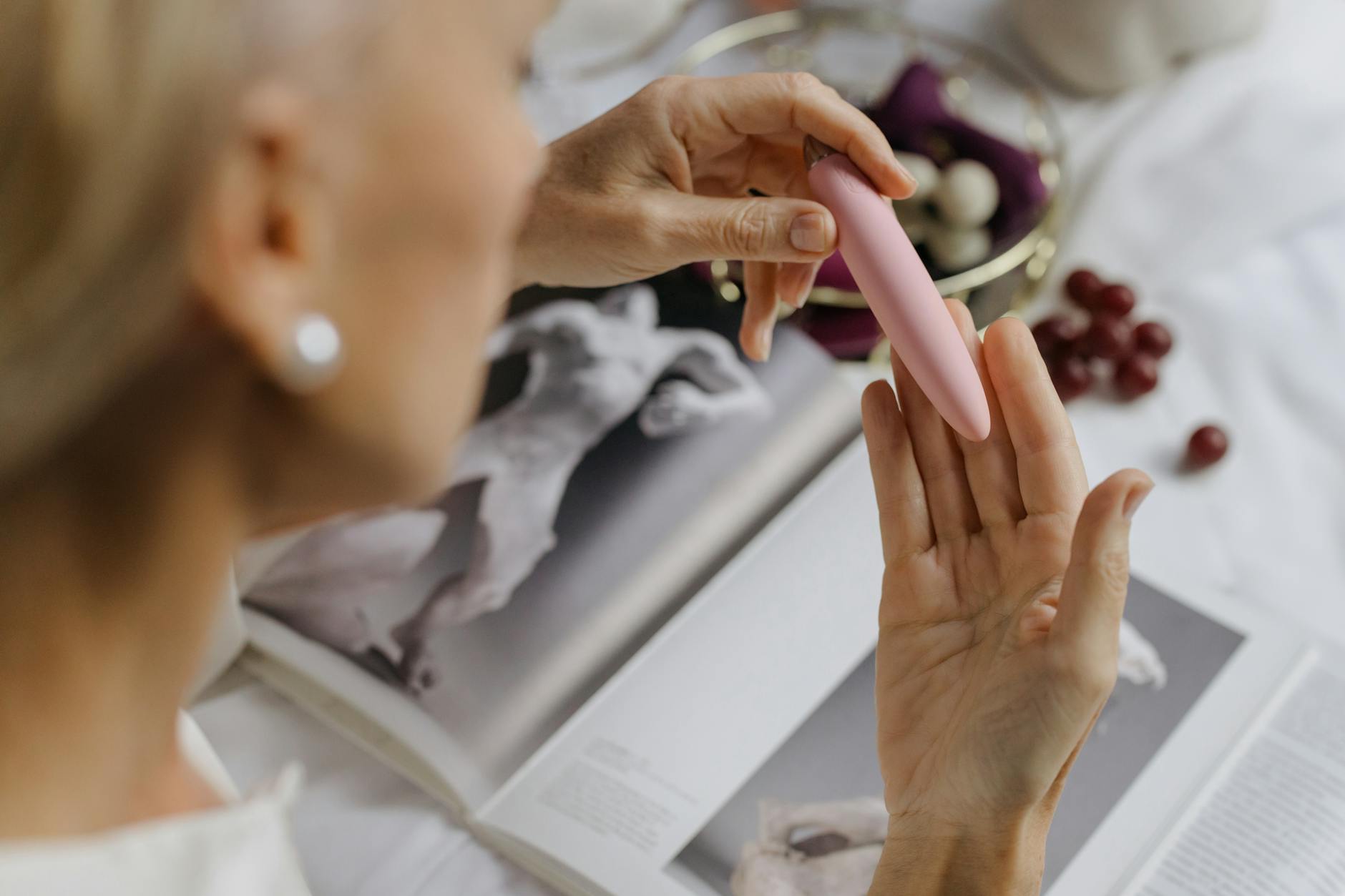
Photo by cottonbro studio on Pexels
The conversation to have now
You don't need to have this at midnight or make it weird. But at some point, say this out loud: "I'm genuinely excited about exploring this with you, and I'm happy you want to figure out what you love first. When you're ready to include me, I want to know what feels good. So basically, I'm here to listen and follow your lead."
That's it. You've just signaled that this isn't a threat to you. You're not competing with the toy. You're not insecure about being replaced. You're actually interested in your partner's pleasure on their own terms.
Some partners will want to tell you everything. Others will want privacy and will only share once you're actually playing together. Both are fine. Your job is to stay curious and open either way.
The solo phase is temporary. The shared learning that comes from it is permanent. And that's the whole point.
People also ask
How long should I give my partner to explore alone before we try it together?
There's no fixed timeline. Some people feel confident after two or three sessions. Others take a few weeks. Let them tell you when they're ready. If they're someone who tends to overthink things, they might need a gentle "whenever you feel like inviting me in, I'm game" to avoid analysis paralysis. But don't rush it. This phase is doing work that partnered play can't do alone.
What if my partner never wants to use it together?
This is worth checking in about, gently. Not as "are you sure?" but as genuine curiosity. "I've noticed you haven't mentioned wanting to use this together. Is that still something you might want, or has solo play become your preference?" Sometimes people discover they actually prefer solo pleasure with toys. Sometimes they do eventually want partnership around it. Neither is wrong. What matters is that you both know where you actually stand instead of guessing.
Should I be doing solo exploration too?
Not necessarily. Some people do. Some don't. It's totally fine if you wait until you're using lemon clitoral vibrators together to figure out what works for your body. Or you might want to explore separately. The point is that there's no rule here. Do what feels authentic. If your partner wants the toy to be something you share, and you want to learn alongside them, that's equally valid.
What if I'm worried this means our sex life is broken?
It doesn't. It actually means your partner is being thoughtful about pleasure. They're not just grabbing the closest solution and hoping it works. They're taking time to learn their own body. That's the opposite of a broken sex life. That's someone building toward a better one.
Can I watch, just not participate?
That's a conversation to have with your partner directly. Some people love having a partner present while they explore. Others find it distracting. There's no default answer. But ask. Don't assume either way.
How do I handle the time my partner takes for solo exploration?
Use it as you would any other time your partner is doing their own thing. Read. Call a friend. Relax. Genuinely separate time strengthens relationships because it reminds both people that they're individuals with their own interests. This is actually good for you both.
What happens next
Your partner is going to learn their own pleasure. Then they're going to invite you into it. And then you'll both figure out what shared pleasure actually looks like. That's a journey, not a destination. Some sessions will feel amazing. Some will feel weird. Some will be funny. Some might not work at all. And that's all part of it.
The fact that your partner wanted solo time first? That's actually the signal that this is going to go somewhere real. Because they care enough to show up prepared. To know themselves. To make this something intentional instead of accidental.
That matters. And you being able to support that, even when it feels a little uncertain? That matters too. You're already building something good here. The toy is just the beginning.
Want to talk through more of this or figure out what comes next? Reach out.
Sources
Gottman, J. M., & Silver, N. (2015). The Seven Principles for Making Marriage Work. Harmony. Research on solo sexual exploration and partnered intimacy shows that individual pleasure knowledge significantly improves partnered sexual communication and satisfaction outcomes. Couples therapy literature consistently emphasizes that partners who develop independent understanding of their own pleasure responses demonstrate higher long-term relationship satisfaction and sexual fulfillment.