Let's name what's actually happening here
You're in a relationship. Sex used to be part of it. Now it's not, or it's stilted, or it feels like walking across a minefield in the dark. So you've started touching yourself instead. And it feels good. Safer. Easier. You can control the speed, the pressure, the stopping point. Your partner doesn't have to be involved, which means they can't disappoint you, hurt you, or misread the room.
That shift is not a sign that your relationship is over. It's often a sign that something in the partnership has cracked and needs repair before partnered sex feels safe again.
Here's what I see clinically: couples who've hit this wall almost always have the same underlying story. Trust has frayed. Communication has collapsed. Sex became transactional, or painful, or bound up with old resentment. So the body said no. Solo pleasure became the refuge.
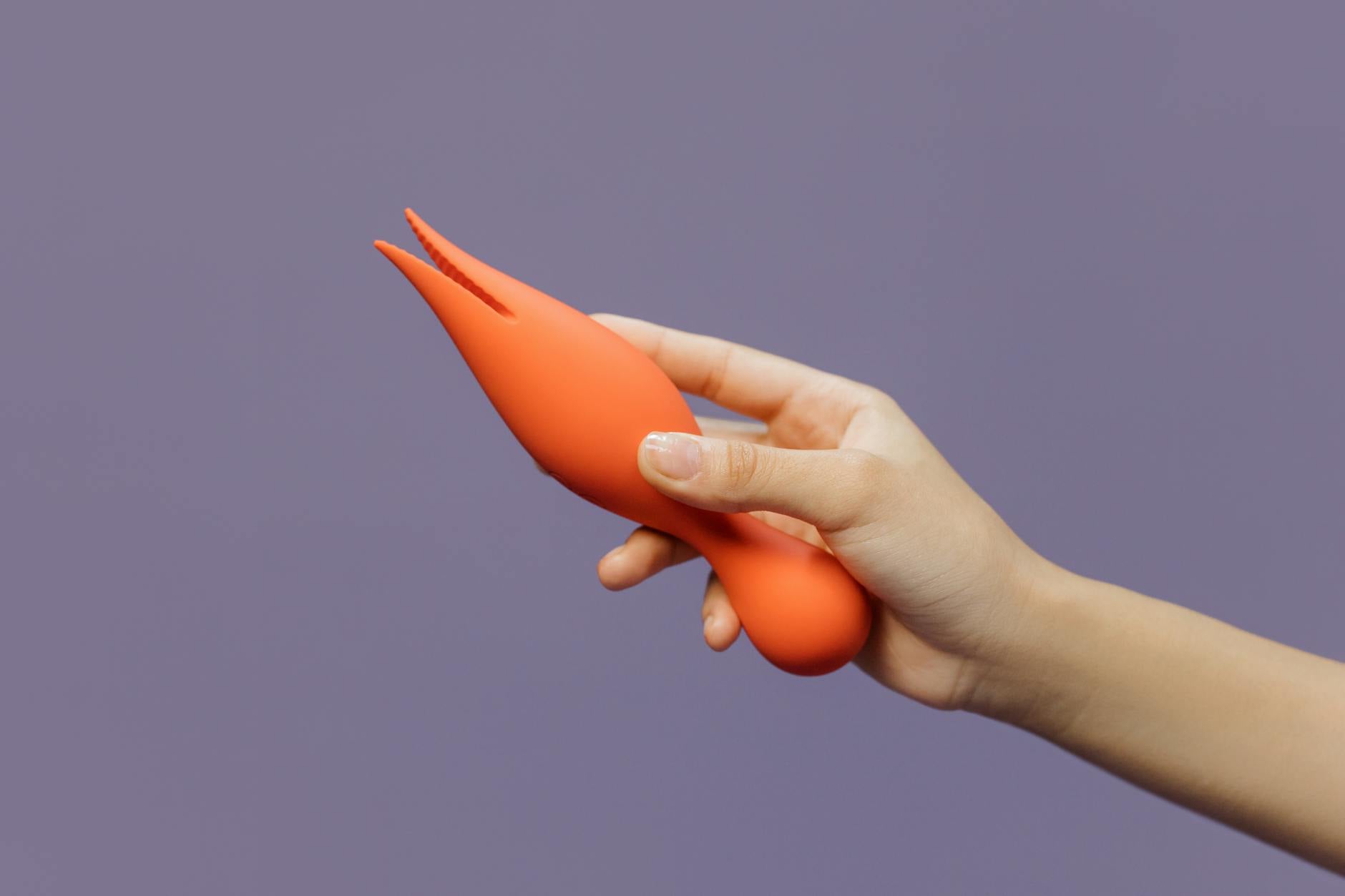
Lemon clitoral vibrators can be part of the way back from there. Not as a replacement for your partner, but as a bridge to reconnection that doesn't require you to force vulnerability before you're ready.
Why solo pleasure starts to feel mandatory
When partnered sex goes sideways, the body develops a really intelligent protective instinct. It says: "This is not safe right now." Maybe your partner hurt you, intentionally or through carelessness. Maybe sex became about their needs and you stopped mattering. Maybe you just grew apart sexually and now there's awkwardness that's too big to name.
Solo pleasure is risk-free by comparison. Your hand, your pace, your fantasies. No negotiation. No performance anxiety. No chance of rejection mid-act. The clitoris doesn't lie about what it wants, and when you're alone, you can give it exactly that.
But here's the rub: your partner is still in the other room. And the longer you keep your pleasure separate, the wider the distance becomes. It's not intentional. It's protective. But it calcifies.
The lemon vibrator as a conversation starter
I recommend lemon clitoral vibrators in this exact situation for one specific reason. They're different enough from traditional vibration that they change the energy in the room.
A standard vibrator can feel like an escalation. "We need toys now because something's wrong." But a lemon vibrator's suction-based technology feels exploratory, not compensatory. It's new. Neither of you knows exactly how it'll feel. That creates a moment of genuine curiosity instead of pressure.
Here's how I usually recommend framing it to a partner: "I found something I want to try. I'm not sure about it yet, and I want to see if you're curious too." Not: "I need this because you're not enough." Not as a solo mission. As an invitation.
When you use a lemon vibrator together in the early stages, a few things shift. You're both learning something new. You're not performing well-worn roles. There's actual novelty, which is calming because it doesn't carry the weight of all your old patterns.
Starting with solo use first
That said, plenty of people need solo time with a lemon vibrator before they're ready to share it. That's actually fine.
If partnered sex still feels unsafe or triggering, then solo exploration matters. It's how you remember that your clitoris still responds. That you can have an orgasm without negotiating or performing. That your pleasure is real and doesn't require anyone's permission.
Use a lemon vibrator alone for as long as you need to. There's no timeline here. Two weeks, two months, six months. You're not stalling the relationship. You're rebuilding the foundation.
What changes the equation is transparency. Don't hide it. When your partner asks, you can say: "I've been exploring solo. I needed to remember what felt good for me. I'm not ready for partnered stuff yet, but I'm getting there." That honesty is actually the bridge. It says you're thinking about reconnection, even if you're not there yet.
How lemon clitoral vibrators feel different when sensation has flatlined
When you've been avoidant of partnered sex for a while, the clitoris can start to feel numb or disconnected. You touch yourself and there's no spark. That's usually not physical numbness. It's dissociation. Your nervous system has learned to protect you by dampening sensation in that area.
Lemon suction vibrators work well here because they stimulate differently than vibration alone. The suction engages nerve clusters in a way that can wake up sensation that's gone dormant. It's gentler on tissue but often more intense neurologically. You might feel things you haven't felt in years.
That matters because restored sensation often unlocks something psychological. If you can feel again, you can trust again. The two are connected.
The conversation you actually need to have
Here's where I always lose couples: they assume the vibrator is a substitute for talking. It's not. It's a conversation starter.
Before you bring a lemon vibrator into partnered time, you need to have said some of these things out loud. "When we stopped having sex, I felt abandoned." Or: "Sex used to hurt and now I'm scared." Or: "I don't trust that you actually want me." Real things. Uncomfortable things.
A vibrator can't fix those. But it can create a moment where you're both lowering your guard enough to have that conversation afterward. You've done something vulnerable together. The shame has loosened a bit.
The conversation also needs to include his or her fears. Maybe they felt rejected when you turned away. Maybe they've been scared to initiate because they thought you hated them. Maybe they didn't realize the sex was painful. None of this excuses harm, but it contextualizes it. And sometimes that context is what makes reconnection possible.
When to bring it into partnered time
Not on day one. Not when things are still tense or unresolved.
You bring a lemon vibrator into partnered exploration when you've done the talking, and there's a glimmer of willingness from both sides. When you can sit in the same room without the air feeling like a weapon. When there's been at least one conversation where you both admitted you miss each other, even if you're still angry.
Then you might say: "I want to try something together. No pressure. We can stop whenever." You use it on yourself first, so he or she is witnessing your pleasure, not performing it. There's no expectation that it leads to sex. It's just an experience you're sharing.
For a lot of couples, that small shared act opens something. You're in the same intimate space again. You're both breathing. Nobody's performing. The touch is about sensation, not obligation. It can feel like the first real moment you've had in months.
The thing nobody talks about
Sometimes couples need this reset to actually break up. That's okay too.
If you use a lemon vibrator together and realize you actually don't want to reconnect, that's valuable information. It's clearer than staying in a relationship where you're protecting yourself through avoidance.
But most often, that little moment of shared curiosity is enough. Enough to remember why you chose each other. Enough to try therapy. Enough to ask the harder questions. Enough to rebuild.
The lemon vibrator isn't magic. You are. Your willingness to feel again, to be vulnerable, to try something new with someone who hurt you but who you're choosing to trust again. That's the work. The vibrator is just permission to start.
FAQ
What if my partner is offended by a lemon vibrator?
That offense is usually not about the vibrator. It's about feeling replaced, or judged, or inadequate. Have the conversation first. Say explicitly: "This isn't about you. This is about me learning what I want again." If they're still unwilling to explore after you've been clear, that tells you something important about whether this relationship can rebuild.
Can we use a lemon vibrator during partnered sex if we're still healing?
Yes, but carefully. It works well if your partner is using it on you during foreplay or penetration, because you're sharing the sensation and they're in control. Make sure you've had clear conversations about what feels good and what boundaries are in place. Start slow. Stop immediately if it feels wrong.
How long should I use a lemon vibrator solo before partnered sex feels safe again?
There's no standard timeline. Some people need two weeks. Some need two years. It depends on what broke and whether your partner has actually changed behavior or is just sorry. Trust yourself. If it still doesn't feel safe, it probably isn't.
Is it normal to prefer solo pleasure to partnered sex even after reconnecting?
Completely normal. Your brain might associate partnered sex with pain or rejection. That association doesn't disappear overnight. Solo pleasure might stay your preference for a while, and that's fine. Healing isn't linear.
What if we've tried therapy and reconnection and it's still not working?
Then you have your answer. A lemon vibrator or any toy is a tool for couples who want to reconnect but have lost the pathway. If the desire to reconnect isn't mutual, no toy will fix it. That's when you might need to make a different choice about the relationship itself.
Can a lemon clitoral vibrator help if my partner caused pain during sex?
Yes, because it gives your body a chance to experience pleasure without pain first. That rewires the association. But you also need professional help. A trauma-informed therapist can help you process what happened and decide whether the relationship is safe to stay in. A vibrator helps with the physical part. The emotional part needs real support.