Let's start with what's actually happening
You started an SSRI. Within weeks, your body feels different during solo time. Maybe orgasms took longer to arrive. Maybe they feel muted, or the buildup doesn't feel as intense. Maybe you lost the sensation of orgasm altogether, or your partner mentions you seem distant. None of this means the medication failed or that you need to quit.
What's happening is real, neurochemical, and usually temporary. Your brain is recalibrating serotonin across the entire system, including the pathways that control arousal, genital sensitivity, and orgasm. This isn't a side effect you should ignore. It's also not a reason to white-knuckle through sex or assume your body is broken.
I see this constantly in my practice: people who started antidepressants, noticed a shift in pleasure, and then felt trapped between two bad options (keep the medication and lose sexual satisfaction, or quit the medication and return to depression). There's almost always a third path.
How SSRIs actually affect pleasure
SSRIs work by increasing serotonin availability in your brain. That's the goal. What complicates things is that serotonin receptors sit everywhere. In mood centers, yes. But also in the nerves that control genital blood flow, in the spinal cord segments that coordinate orgasm, and in the reward circuits that make sensation feel good.
Specifically, here's what SSRIs do to the sexual response cycle:
Arousal phase. Serotonin can dampen the initial spark. Some people report needing longer warm-up, or feeling less spontaneously aroused. This usually settles after 6-8 weeks, but for some it persists. That's the difference between a side effect and a long-term adjustment.
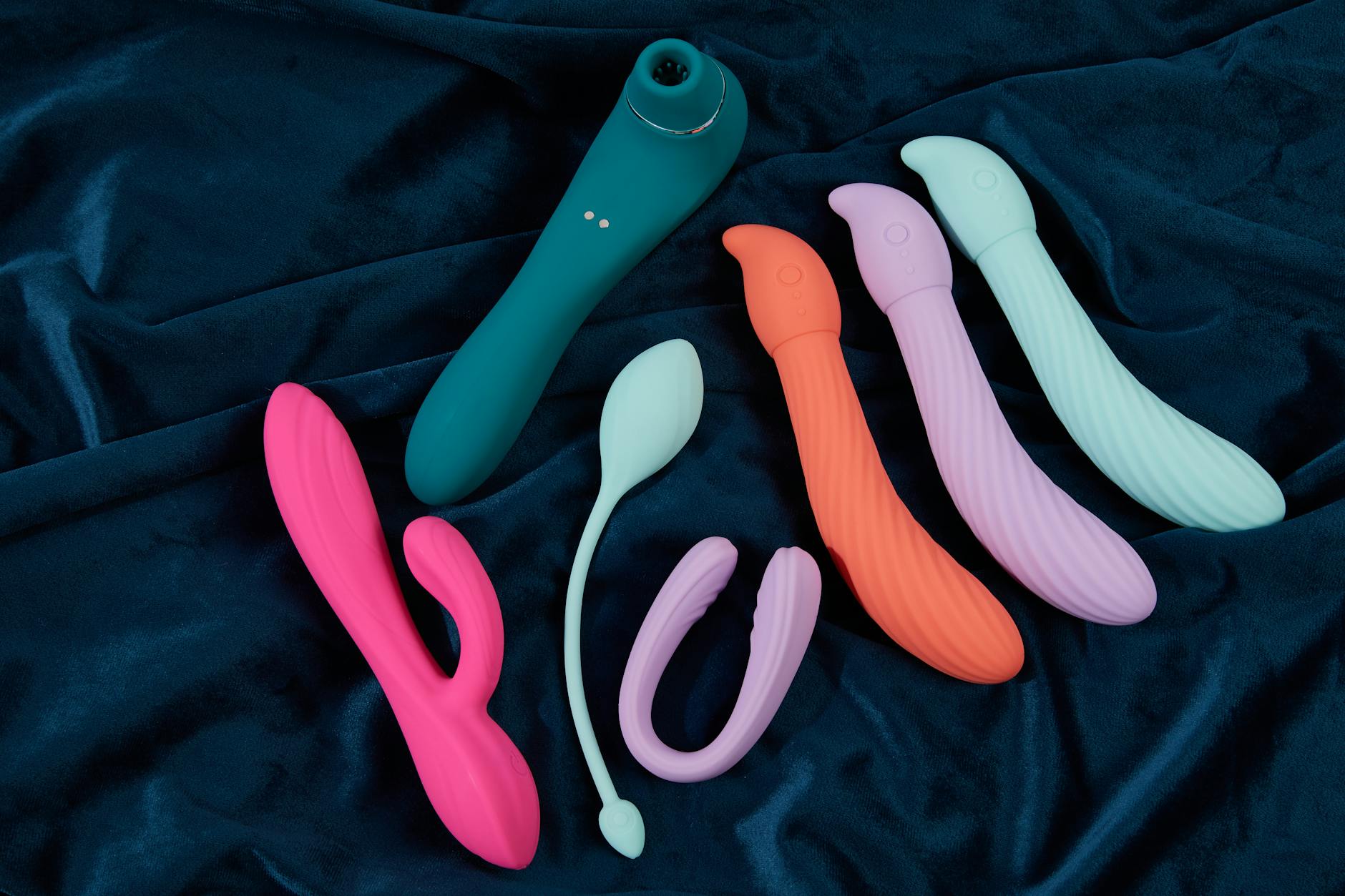
Genital response. Blood flow to the clitoris can take longer to ramp up. You might notice that touches that used to feel immediately electric now require more intentional attention. This is why lemon vibrators often work better than wand vibrators during this phase. The suction mechanism on a lemon clitoral vibrator doesn't depend on you achieving a certain level of baseline arousal to feel good. It initiates its own response.
Orgasm. This is the most common complaint. SSRIs can delay or flatten orgasm. Some people describe it as feeling distant, like watching pleasure happen rather than experiencing it. Others say orgasms still arrive but feel less intense. A few lose the sensation entirely and have to relearn what orgasm feels like on medication.
Why a lemon vibrator changes the equation
A lem vibrator works differently than traditional vibrators because it uses air-pulse suction instead of direct vibration. Here's why that matters when you're on SSRIs.
Lower activation threshold. The suction mechanism creates stimulation without requiring you to already be highly aroused. You don't have to work your way up to the point where a regular vibrator feels good. The lemon vibrator initiates that response for you.
Consistent feedback loop. Because suction provides consistent, rhythmic pressure, your nervous system can settle into the sensation and let pleasure build gradually. SSRIs slow everything down. A tool that works with that slowness, rather than fighting it, makes sense.
Less pressure on your brain to perform. One of the most insidious parts of SSRI-related sexual changes is the psychological spiral. You notice pleasure feels different. You start anticipating it will feel different. Anxiety kills arousal. Suddenly you're not in your body anymore, you're watching yourself fail. A lemon clitoral vibrator is just a tool doing its job. You can focus on sensation instead of outcome.
The timeline matters more than you think
Timing is everything here. If you started an SSRI three days ago and your orgasm feels weird, that's almost certainly temporary. If it's been three months and nothing has budged, you're dealing with something that might need attention but isn't an emergency.
Most sexual side effects from SSRIs peak at 2-4 weeks and then improve steadily. By 8-12 weeks, many people notice things returning to baseline or close to it. Some people plateau at a new normal that's slightly different from before but still satisfying. A smaller number find that sexual changes persist long-term.
The key insight: don't make permanent decisions based on the acute phase. Give it time. Use tools like lemon vibrators to maintain connection to your pleasure during the adjustment. Your nervous system is literally rewiring itself. That takes patience.
Simple adjustments that help immediately
You don't have to wait weeks to feel better.
Extend your warm-up time. If foreplay took 10 minutes before, budget 20 now. This isn't a failure. SSRIs slow the arousal ramp. You're just giving your body what it needs.
Start with external stimulation only. Skip penetration for a few weeks if that feels right. Focus on clitoral pleasure. This removes performance pressure and helps you map what feels good now rather than chasing what felt good before.
Use a lemon vibrator as a bridge. The lem vibrator's air-suction design can help initiate arousal when your body is moving slower. Spend a week just exploring how it feels, no agenda beyond sensation. Let your nervous system learn that pleasure is still available.
Communicate with your partner about the shift. This matters more than anything else. If you're in a relationship, don't pretend nothing changed. Tell them the medication is doing its job for your mental health, and your body needs some adjustments right now. That's not weakness. That's partnership.
Track what time of day helps. Some people find that sexual response is better in the morning, or when they're well-rested. Others notice that stress tanks their arousal more dramatically on medication. Map your own pattern.
When to talk to your doctor
If sexual side effects persist beyond 12 weeks, or if they're causing real distress, bring it up at your next appointment. This is not something to suffer through quietly.
Your doctor might suggest a few approaches: dose adjustment, timing changes (taking your SSRI at a different time of day can sometimes help), a brief medication holiday (rarely recommended, but sometimes used strategically), or switching to a different SSRI that causes fewer sexual side effects. Sertraline, for instance, tends to have fewer sexual side effects than paroxetine.
There's also buspirone, an augmentation medication that some doctors prescribe alongside SSRIs to counteract sexual side effects. It doesn't work for everyone, but it works for some, and it's worth discussing.
The point: you don't have to choose between mental health and sexual satisfaction. Sometimes it takes troubleshooting. But solutions exist.
What you might discover on the other side
Here's something I see happen regularly: people adjust to their SSRI, their sexual response stabilizes, and then they realize that having to slow down, pay attention, and rebuild their pleasure was actually useful.
Depression flattens sensation. You move through sex on autopilot. When you're on an SSRI that works, your depression lifts, but you also have to actively rebuild connection to your body. That sounds like a loss. Often it's an upgrade.
One of my clients described it as finally tasting her own pleasure instead of chasing someone else's idea of what sexy should feel like. Another said the slowness forced her to ask her partner for what she actually wanted instead of settling for what happened automatically.
Antidepressants change pleasure. Not always for worse. Sometimes just for different. And different, with intention, can be richer than what came before.
FAQ: Antidepressants and sexual response
How long does SSRI sexual dysfunction usually last?
Most sexual side effects peak at 2-4 weeks and improve by 8-12 weeks. Some people return to baseline. Others settle into a new normal that's slightly different but satisfying. A smaller percentage experience longer-term changes. The best predictor is talking to your doctor by week 8 if nothing has shifted.
Can I switch SSRIs to avoid sexual side effects?
Sometimes, yes. Sertraline and citalopram tend to cause fewer sexual side effects than paroxetine or fluoxetine. But switching medications is a medical decision that needs to happen with your prescriber. Don't stop one SSRI and start another on your own. Some SSRIs have withdrawal effects, and switching timing matters.
Does masturbation help the situation get better faster?
There's no hard data saying that solo time speeds recovery. But there's good logic for it: maintaining connection to pleasure, keeping your nervous system engaged with sensation, and reducing anxiety around sexual response all help. Use a lemon clitoral vibrator, stay curious, don't judge yourself for whatever you notice. That's the healthiest approach.
Why do some people lose orgasm on SSRIs and others don't?
Genetic variation in serotonin receptors, dose, duration, specific medication, baseline sexual response, stress levels, and relationship dynamics all play a role. There's no simple formula. Your brain is just different from your friend's brain, and that's okay. What matters is addressing what you're experiencing specifically.
Is it okay to use a lem vibrator if I'm on an SSRI?
Completely fine. The lemon vibrator works the same way mechanistically, regardless of your medication. In fact, because SSRIs slow arousal, using a tool that initiates its own response without needing baseline arousal can be especially helpful. There are no drug interactions between SSRIs and silicone toys.
What if sexual side effects don't improve after 12 weeks?
Talk to your doctor. Persistent sexual dysfunction is a real side effect that deserves attention. Dose adjustment, timing changes, medication switching, or augmentation with buspiron are all options worth exploring. Your mental health is important and so is your sexual satisfaction. Those two things don't have to conflict.
The bottom line
Starting an SSRI doesn't end your sex life. It interrupts it, usually temporarily, and almost always solvably. What feels broken right now is your nervous system recalibrating. That's uncomfortable, but it's not permanent. With patience, the right tools like lemon vibrators to help bridge the gap, and honest communication with your doctor and partner, you'll find your way back to pleasure. You might even find a version of pleasure that's more intentional than what came before.