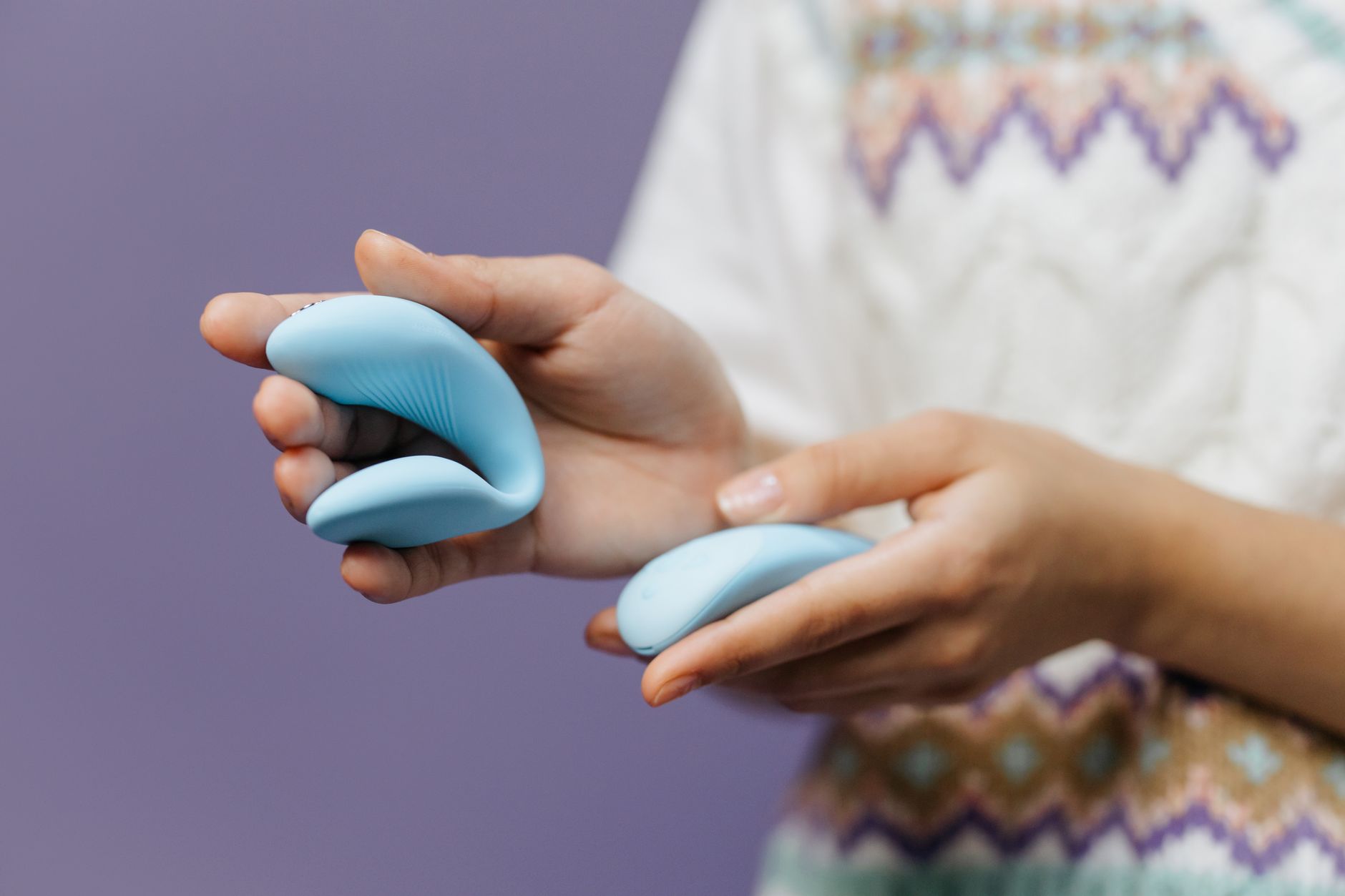
Let's start with what you probably already know
Your clitoris is sensitive. Maybe it's always been that way. Maybe it became that way after years of numbing stimulation, or after a hormonal shift, or after taking medication that flattened your arousal. Either way, the question is the same: how do you get pleasure from something that can't handle direct pressure.
The answer is suction, not vibration. And specifically, lemon vibrators designed around suction technology like the Lem work with your tissue instead of against it.
The anatomy of why pressure hurts
Here's the part most articles skip. Your clitoris has roughly 8,000 nerve endings packed into a structure that's way smaller than you think. The visible part, the glans, is only about the size of a pea. Those nerves aren't distributed evenly either. They're denser on some spots than others, and they're hyperresponsive to direct mechanical pressure.
When you apply pressure, especially sustained or intense pressure from a traditional vibrator, you're essentially forcing stimulation through a gate that's already maxed out. The sensation can feel like too much, numb, painful, or weirdly disconnected from the pleasure response you're expecting.
This is why a lemon clitoral vibrator changes everything. Suction doesn't rely on friction or force. It creates negative pressure that gently draws tissue into a chamber, then releases it in rapid pulses. The stimulation is distributed across a wider area, and the intensity is determined by the strength of the seal and the pulse speed, not by how hard you're pressing.
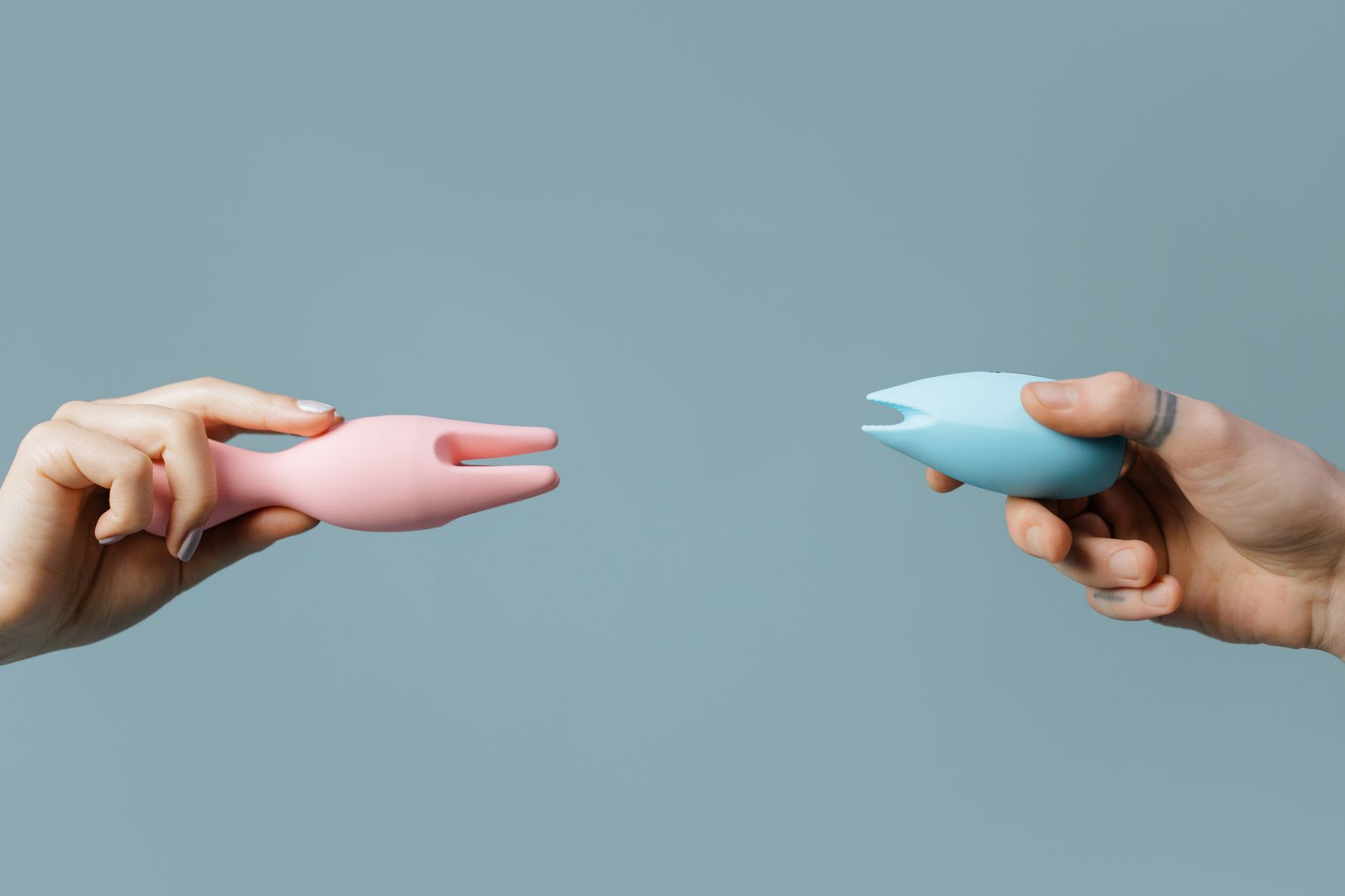
Photo by cottonbro studio on Pexels
Why traditional vibrators can feel overwhelming on sensitive tissue
Most vibrators work by moving back and forth at high frequency. This is brilliant for many bodies. But if your clitoris is already easily irritated, overstimulated, or healing from numbness, that constant percussion can create exactly the wrong kind of input.
Traditional toys also require you to maintain pressure to feel the vibration. That means your hand, your partner's hand, or the toy itself is bearing down on an area designed to be stimulated, not compressed. Over time, this can actually increase desensitization as the tissue adapts by tuning out the signal.
The lemon suction approach is inverted. Instead of asking the tissue to withstand pressure, it invites the tissue in. The pulsing sensation happens within a small sealed space, which means lower external pressure, better sustained response, and a sensation that feels more like a wave than a jackhammer.
How suction changes the pressure equation
When you use a lemon vibrator on sensitive tissue, the pressure requirement drops dramatically. You're not pushing anything anywhere. You're creating a seal and letting the device do the work of stimulation.
This has three immediate effects. First, you can use lower intensity settings and still feel intense sensation. The Lem's pulse patterns start gentle and escalate, so you can explore sensitivity gradually without jumping straight to overwhelming. Second, your hand doesn't have to stay tense. With traditional vibrators, you have to maintain pressure or lose the sensation entirely. With suction, you set the intensity and release. Your hand can relax. Third, the sensation recruits different nerve pathways than vibration does, which often feels novel and more pleasurable for people who've spent years with traditional toys.
Starting over with a lemon vibrator on sensitive tissue
If you're moving to a lem vibrator because your clitoris is sensitive, here's what shifts:
Pressure approach. Instead of asking "how hard can I press," ask "how much seal do I need." A full seal isn't always the goal. Sometimes a soft seal on lower pulse speeds creates deeper sensation than a hard seal on high speeds. Experiment with contact pressure, not toy intensity.
Warm-up timing. Suction-based lemon clitoral vibrators work better when tissue is already responsive. Budget 10-15 minutes of light touch, breathing, or a partner's attention before bringing the Lem in. This primes the nervous system without overstimulating.
Speed progression. Start on pattern 1 or 2, even if you think you want something stronger. The suction sensation compounds as your body learns to receive it. Most people find that by session three or four, lower settings feel surprisingly intense.
Lube or no lube. Water-based lube reduces friction and can make the seal feel less intense, which is helpful for very sensitive tissue. Dry can feel more direct. Try both and notice what your body prefers.
When sensitivity is a recovery process
If your clitoris became sensitive because of antidepressants, birth control changes, hormonal shifts, or years of heavy stimulation, a lemon vibrator is often the perfect bridge tool. It allows you to rebuild sensation at your own pace without forcing your body back into a pattern that stopped working.
Here's the thing: sensitivity isn't a character flaw. It's feedback. Your nervous system is telling you what it needs. A tool that listens to that feedback instead of overriding it is worth the investment.
Many people report that after 4-8 weeks of consistent use with a suction-based tool, their sensitivity normalizes. Not in the sense that they become less sensitive, but in the sense that the sensation feels integrated with pleasure again, rather than separate or overwhelming. The pressure requirement stays low, but the experience becomes richer.
Pairing suction with other low-pressure approaches
If you're managing sensitive tissue, a lemon vibrator often works better alongside other gentle practices. Light touch from a partner, breathing exercises, or exploring your pleasure cycle can prepare your nervous system for the Lem's specific type of stimulation.
Some people find that using a lemon vibrator consistently over time actually trains their body to be less triggered by other forms of stimulation. It's not magic. It's nervous system literacy. Your body learns that stimulation can feel good without being intense, and that confidence transfers to other contexts.
The pressure-sensitivity feedback loop
One of the strangest things about the clitoris is that it responds to pressure by sometimes shutting down further. It's a protective reflex. If you push harder, the nerve endings can actually become less responsive, not more. This is why many people with traditional vibrators end up using higher and higher speeds to feel the same sensation.
A lemon vibrator breaks that loop. Because the stimulation method doesn't rely on force, you're not training your body to tune out pressure. You're training it to receive subtle sensation. And that tends to expand your range of pleasure over time, not narrow it.
FAQ
Does a lemon suction vibrator feel different if I have very thin or fragile tissue?
Yes, in a good way. Thin tissue actually benefits from suction more than it does from vibration. The lack of friction means no irritation or micro-tears from repeated pressure. Many people with thin tissue from hormonal changes report that the Lem feels like the first toy that doesn't cause discomfort. Start with a loose seal and low intensity to build tolerance.
Can I use a lemon vibrator if my clitoris retracts easily or stays under the hood?
Absolutely. In fact, suction toys are often better for this because they actually encourage the tissue to emerge. A good seal will gently draw the clitoral glans out, which can feel revelatory for people whose clitoris usually stays hooded. If you're worried about comfort, use lube to reduce friction around the entrance.
How is a lemon clitoral vibrator different from other suction toys?
Not all suction toys are created equal. The Lem's design focuses on rhythmic pulsing rather than constant suction, which reduces the intensity of sensation while maintaining novelty. The pulse patterns are also calibrated to escalate gradually, so you can build to pleasure instead of jumping straight to overwhelming.
What if a lemon vibrator still feels like too much pressure?
Then you might benefit from an external vibrator on your inner thighs or labia first, with the Lem reserved for later in your session when you're more aroused. Or try using the Lem on the lowest setting with lube and a very light seal. Some people also find that using it while partially clothed reduces intensity without losing sensation.
Can hormonal changes affect how a lemon vibrator feels pressure-wise?
Yes. If you're navigating menopause, post-partum recovery, or hormonal shifts, your tissue thickness and sensitivity change. That means the pressure you could tolerate last month might be different now. A suction-based tool is particularly forgiving during these transitions because you can adjust intensity and pressure independently.
How long does it usually take for sensitivity to feel manageable with a lemon vibrator?
Most people notice improvement within 2-3 weeks of consistent, gentle use. Full integration, where the Lem feels intuitive and pleasure builds smoothly, usually takes 4-8 weeks. This varies widely based on what caused the sensitivity and your nervous system's responsiveness.
You don't need force to feel everything
The design philosophy behind a lemon vibrator is simple: stimulation doesn't require pressure. Your clitoris has incredible capacity for pleasure. Sometimes it just needs a method that respects its sensitivity instead of overriding it.
If you're managing sensitive tissue, frustrated by traditional vibrators, or rebuilding arousal after a life change, suction technology is worth exploring. The pressure requirement drops, but the pleasure doesn't. Often, it expands.
Have questions about whether a suction-based approach is right for you? Reach out. We're here to help you find what works for your body, not what works in theory.