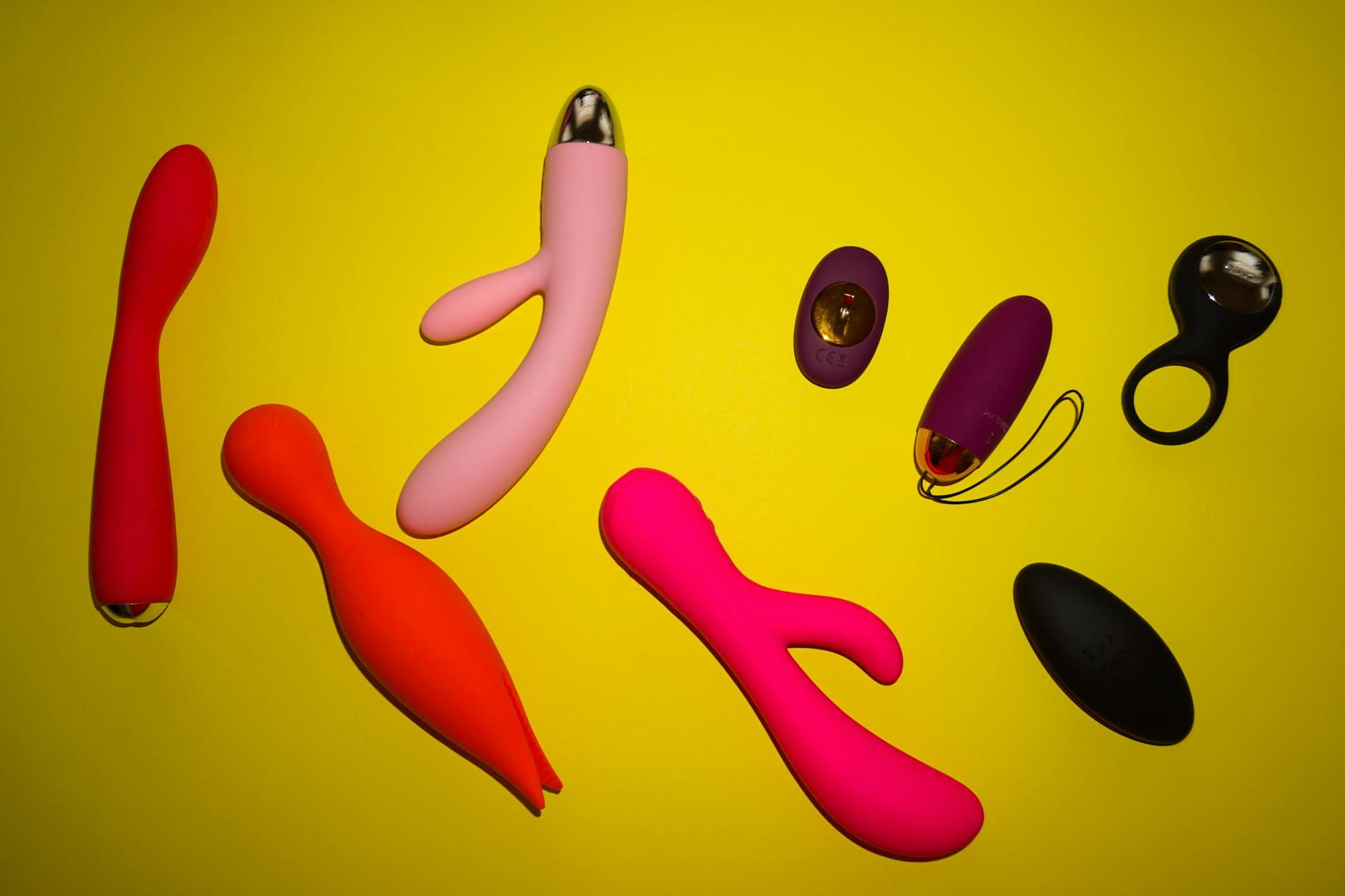
Why Lemon Vibrators Take Longer to Feel Good After Hormonal Changes
Let's be real. If you've noticed that pleasure takes longer to arrive after a hormonal shift, you're not broken. Your body isn't refusing you anything. What's actually happening is physiological, predictable, and totally workable once you understand it.
Hormonal changes shift the speed at which your nervous system responds to stimulation. This matters when you're using a lemon vibrator or any clitoral tool, because the entire experience hinges on how quickly blood flows to your clitoris, how sensitive your nerve endings stay, and how long it takes your brain to register arousal. All three slow down. This isn't failure. It's just a different timeline.
What hormones actually do to arousal speed
Estrogen and testosterone both influence how fast your arousal system fires up. When either or both drop, the chain reaction slows. Here's the mechanism.
Your clitoris is packed with nerve endings that rely on blood flow to swell and become responsive. Estrogen keeps the tissue elastic and primed for circulation. When estrogen levels drop, the tissue becomes thinner and less reactive to early-stage stimulation. Testosterone, which people with ovaries absolutely produce, is a major driver of spontaneous desire and arousal initiation. When testosterone dips, that spark takes longer to ignite.
The result: what used to take five minutes of foreplay or solo touch now takes fifteen or twenty. That's not a flaw in your lemon vibrator or your body. That's just the new baseline.
Why this matters for lemon clitoral vibrators specifically
Lemon vibrators work through gentle suction combined with micro-vibrations. They don't rely on aggressive friction or high-frequency buzzing. This design is actually ideal during hormonal transitions because suction is gentler on thinner, more delicate tissue while still delivering intense stimulation through the suction cups.
Here's the key: the suction mechanism works best when there's some blood flow and tissue engorgement already present. If you start a lemon vibrator too early in your arousal, before the tissue has begun to swell, the sensation can feel dull or even uncomfortable. During hormonal fluctuations, this means you need more warm-up time before the Lem or similar suction toys deliver their best experience.
This isn't a reason to abandon them. It's a reason to shift when and how you use them.
The timeline shift: what to expect
Most people report these changes in arousal pacing after hormonal shifts:
- Minutes 0-5: Light touch, kissing, non-genital sensation. Your nervous system is still waking up.
- Minutes 5-15: Manual or partner touch to the vulva. Blood begins pooling. Tissue starts responding.
- Minutes 15-20: Introduction of a lemon vibrator. Tissue is now engorged enough for suction to feel amazing instead of hollow.
- Minutes 20-30: Peak sensation, possible orgasm, or extended pleasure building.
This isn't universal, but it's typical. Some people land differently depending on stress, relationship dynamics, or other non-hormonal factors. The point is: if you used to go straight to your lemon clitoral vibrator and feel incredible at minute two, and now nothing clicks until minute eighteen, you're not experiencing dysfunction. You're experiencing a normal response to a changing neurochemistry.
The mental layer that nobody mentions
Here's the thing nobody warns you about: the frustration of slowness can actually make slowness worse. When you notice you're taking longer, and you internally react with "What's wrong with me?" or "This isn't working," your nervous system reads that as stress. Stress constricts blood vessels. Constriction means less blood flow. Less blood flow means slower arousal.
So the story you tell yourself about the delay matters as much as the delay itself. If you frame it as "My body is broken," arousal gets slower. If you frame it as "My body needs more time to warm up, which means more extended pleasure once we get there," the timeline often doesn't feel punishing.
I work with couples and individuals navigating this constantly. The ones who move fastest past the frustration are the ones who simply expect the new timeline and plan for it. They set aside thirty minutes instead of ten. They add a longer manual phase before introducing lemon vibrators. They stop watching the clock.
Practical adjustments that actually help
Four things you can do immediately to work with your body instead of fighting it.
Extend foreplay intentionally. If you're partnered, talk about this. Say, "I'm noticing I warm up differently now, and I'd love more time on this part." Then actually use that time. Let your partner touch you. Breathe. Don't rush to the vibrator because you think you should.
Warm up manually first. Use your fingers or your partner's fingers on your vulva for at least ten to fifteen minutes before introducing a lemon vibrator. This gives tissue time to engorge and respond. When blood flow is already established, the suction mechanism works at full power instead of running on empty.
Lower the initial intensity. Start your lemon vibrator on a lower suction setting. Let your body respond at its own pace. You can increase intensity as arousal builds. Starting too strong on numb tissue will feel like nothing, which feels defeating.
Add lubricant. Water-based lube isn't just for comfort during penetration. It helps reduce friction during the warm-up phase and makes tissue feel more responsive to touch. Thinner tissue after hormonal changes benefits from this buffer.
What doesn't change, and why that matters
Your clitoris doesn't lose sensation. The nerve density stays the same. Your brain's capacity for pleasure doesn't diminish. Orgasms don't become impossible, and many people report that once they arrive, they're actually more intense and complex than before.
The change is speed, not capacity. This distinction is huge because it reframes the entire experience. You're not losing something. You're just inhabiting a different rhythm. And rhythm changes can actually deepen pleasure if you let them.
Check out how lemon vibrators improve clitoral sensitivity after numbing from traditional toys if you've been using high-intensity buzzing toys and noticed you need more stimulation to feel anything. Switching to a suction-based lemon vibrator can actually help restore sensitivity over time.
When slower arousal signals something else
If arousal has completely stalled and no amount of time helps, or if the delay is paired with pain, that's worth checking with a doctor. Hormonal changes can contribute to genitourinary syndrome of menopause (GSM), which makes the tissue drier and less responsive. That's treatable, often with topical estrogen creams that work quickly.
But slowness alone? That's just a timeline shift. And once you accept it, it often stops feeling like a problem at all.
The counterintuitive part
Here's what surprises my clients most: longer arousal often leads to better orgasms. When you're taking twenty minutes to warm up instead of five, you're not wasting time. You're building a deeper state of arousal. Your nervous system is more engaged. The plateau phase lasts longer. Orgasms that emerge from this kind of building often feel richer, more full-bodied, and more satisfying than faster ones ever did.
Your lemon vibrator isn't suddenly ineffective. It's just been unlocked by a different approach. That's not compromise. That's evolution.
FAQ: Lemon Vibrators and Hormonal Shifts
Why does my lemon vibrator feel numb when I first use it after hormonal changes?
The tissue needs blood flow to respond. If you're jumping straight to your lemon clitoral vibrator without manual warm-up, the suction is working on tissue that hasn't engorged yet. Start with ten to fifteen minutes of manual touch first, then introduce the vibrator. The difference is dramatic.
Can I use estrogen cream to speed up my arousal response?
Topical estrogen creams designed for GSM do improve tissue thickness and blood flow, which can help arousal respond faster. But they take consistent use over weeks to show full effect. They're not quick fixes, and they're also not necessary for pleasure. They're just one tool if slower arousal is paired with pain or extreme dryness.
Is longer arousal time permanent after hormonal changes?
Mostly yes. The timeline usually settles into a new baseline rather than shifting back. But consistency helps. People who use lemon vibrators regularly often find that arousal response gradually improves over months. The body adapts. Regular stimulation helps maintain sensitivity.
Should I use a different lemon vibrator setting if arousal is taking longer?
Start lower and build up. High-intensity suction on tissue that isn't fully engorged yet feels uncomfortable. Low settings on engorged tissue feel incredible. So the order matters more than the absolute setting.
Does this mean I need to use my lemon vibrator differently?
Yes and no. The toy itself doesn't change. Your approach does. Spend more time warming up. Use lower initial intensity. Give yourself permission to take longer. The vibrator will feel just as good. You're just changing when you introduce it into the experience.
Can my partner help speed this up?
Partners can absolutely help. More manual attention, more foreplay, more extended touch before introducing toys. Communication matters too. Let your partner know what you're experiencing and what feels good. Many people find that partner-led warm-up time is both more arousing and more intimate than rushing to a toy.
The real takeaway
Lemon vibrators don't stop working after hormonal changes. Your body doesn't break. Arousal doesn't vanish. What changes is the timeline, and once you align your expectations with that new timeline, pleasure often deepens. You're not losing your capacity for sensation. You're gaining a different relationship to it.
If you're struggling to rebuild pleasure after other kinds of relationship or life changes paired with hormonal shifts, read about how lemon vibrators work better for rebuilding pleasure after relationship changes. Sometimes the issue isn't hormones alone. Sometimes it's the combination of hormones plus emotional context. Both are workable.
Your pleasure matters. Your timeline is valid. And your lemon vibrator is still exactly the right tool. You're just using it in a new way.