Here's what nobody tells you about quitting hormonal birth control
You go off the pill or the patch. Your body sighs. And then, somewhere between week three and month two, your arousal feels weirdly sluggish. Everything takes longer. The toys that used to work feel less effective. Your partner's touch doesn't land the same way it did six months ago.
This isn't laziness. This isn't relationship trouble. This is your nervous system literally remembering how to respond to stimulation without synthetic hormones holding its hand.
What hormonal birth control actually does to arousal
Most hormonal birth control works by suppressing your natural estrogen and testosterone production. The pill, the patch, the ring—they all flood your system with synthetic hormones that override your body's natural cycle. Your brain stops signaling your ovaries to produce testosterone. Your tissues get less of the estrogen they need for lubrication and elasticity. The whole arousal mechanism gets muted.
This is why many people on hormonal birth control report lower desire, slower arousal, or less intense orgasms. You're literally running on a dampened endocrine system. Your libido isn't gone. It's just turned down low.
Here's the part that catches people off guard: when you stop, your body doesn't just flip a switch and go back to normal. It takes time for your hypothalamus and pituitary gland to remember how to talk to your ovaries again. Your hormones don't stabilize overnight. They fluctuate wildly for the first few months.
Why sensation feels muted right after you quit
Three overlapping things are happening at once.
First, your tissues are adjusting. Synthetic estrogen keeps vaginal tissue thick and well-lubricated. When you quit, estrogen drops sharply. Your tissues get thinner and drier. That thinner tissue is more sensitive to harsh stimulation, which sounds like a good thing until you realize it also means less direct pressure feels tolerable. The old vibrator setting that used to work fine now feels too intense or too rough.
Second, your nervous system is recalibrating. Your body has spent months or years running on synthetic hormone levels. Your nerves, your blood vessels, your entire arousal reflex adapted to that new normal. When the hormones drop, your nervous system takes weeks to recalibrate. That's why arousal feels slow and requires more warm-up time.
Third, your baseline testosterone is restarting production. Testosterone is a major driver of desire and clitoral sensitivity in everyone who produces it. On birth control, yours was suppressed. It's coming back, but not immediately. You might not feel the surge of spontaneous desire you remember from before you started the pill. That takes time.
Why lemon clitoral vibrators help during this transition
This is where suction-based stimulation becomes genuinely useful, not just pleasurable.
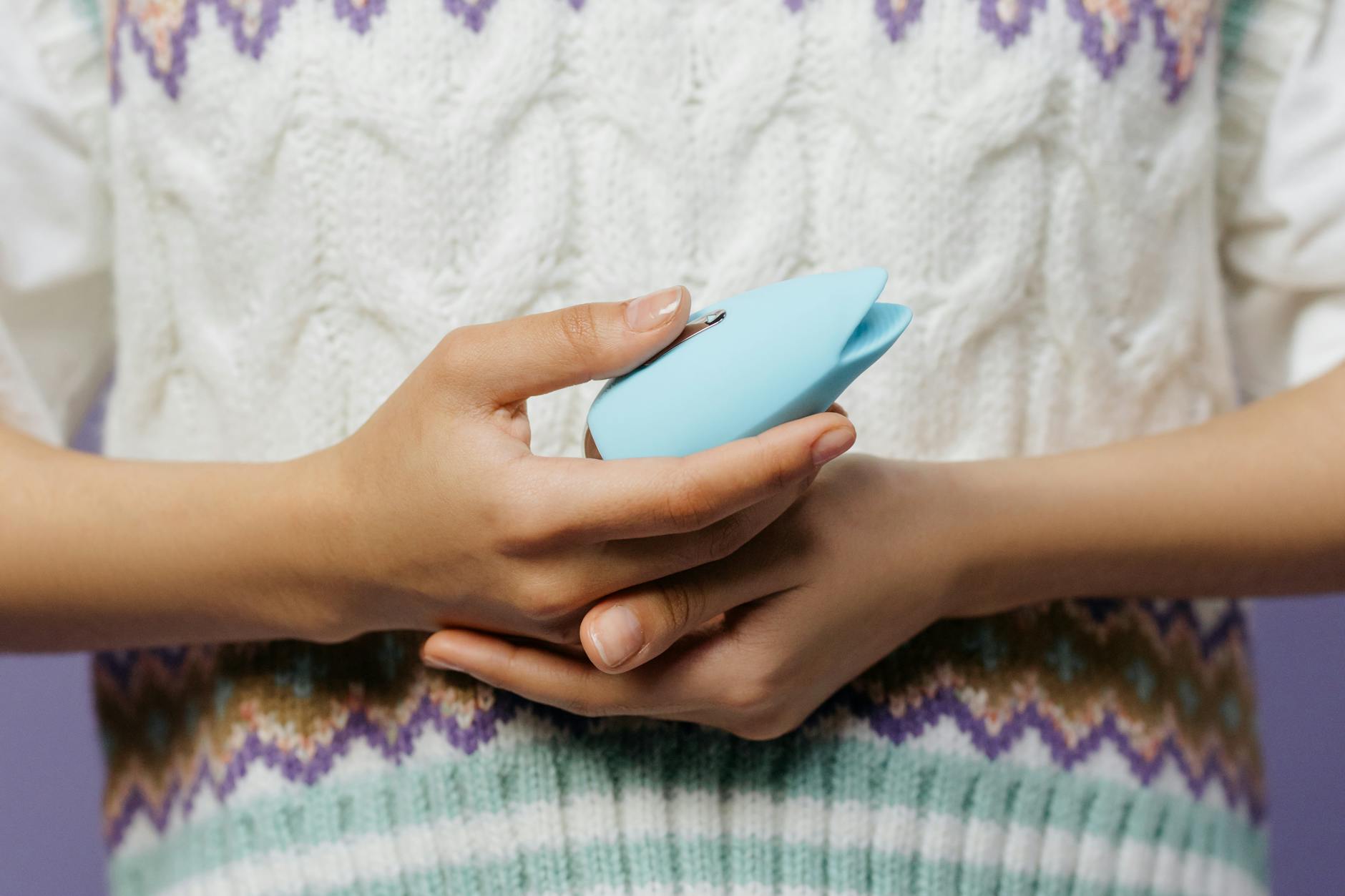
Traditional vibrators work through direct friction. They push into tissue. When your tissues are thinner and your arousal is rebuilding, direct friction can feel overwhelming or even painful. Lemon vibrators, also called lemon adult toys or lemon sexual toys, use air-suction technology that pulls gently on the clitoris instead of vibrating against it. That suction stimulates the same nerve pathways without the mechanical pressure.
For people coming off birth control, this matters. You can use a lem vibrator on low or medium settings when a traditional vibrator would feel too intense. You get stimulation that builds arousal without hurting sensitive tissue. The suction technology works with your recalibrating nervous system instead of against it.
The timeline: what to actually expect
Weeks one through three are the honeymoon period where you feel great, want to have lots of sex, and everything seems fine.
Weeks three through eight are where things get weird. Your hormones are fluctuating. Arousal is slower. Your tissues are adjusting. This is the phase where people panic and think something's wrong. Nothing's wrong. This is completely normal.
Week eight through month four is where things stabilize. Your cycle returns. Desire comes back, though it might look different than it did before birth control. Arousal speed improves. Your tissues rehydrate. Sensation normalizes.
Month four onward is where you actually feel like yourself again. Your hormones have reset. Your nervous system has recalibrated. Arousal rebuilds quickly. Your body remembers its own rhythm.
During weeks three through month four, lemon suction vibrators make a real difference. They're gentle enough for delicate tissue. They work with slower arousal instead of requiring instant intensity. They help you explore sensation without the frustration of tools that no longer feel right.
What to do in those weird in-between months
Four concrete strategies that help.
Use a water-based lubricant, even if you normally wouldn't. Your tissues are temporarily drier. Extra slip helps sensation feel better and protects your tissue from irritation. This isn't permanent. You're not broken. It's just temporary support while your body restarts its own lubrication.
Start with the lowest settings on your lem vibrator. If you usually jump to pattern five, start at pattern two. Build up slowly over the course of 15 to 20 minutes instead of expecting immediate intensity. Your arousal is rebuilding. Patience actually speeds up the process.
Extend warm-up time significantly. You probably used to get aroused in five or ten minutes. Budget 20 to 30 minutes now. Your nervous system needs longer to activate. This isn't laziness on your body's part. It's just recalibration. Once you accept this timeline, it stops feeling frustrating.
Track your cycle if you can. Your period will return. Your hormones will shift through a monthly rhythm again. Arousal will be easier on some days and slower on others. Understanding your own rhythm again helps you work with your body instead of against it.
The emotional piece that matters as much as the physical one
A lot of people go off birth control because they want their libido back. And it does come back. But it doesn't come back overnight, and it often comes back looking different than before.
You might find that you need more foreplay than before. You might discover that spontaneous desire is less common and responsive desire is stronger. You might realize that the arousal pattern you had before birth control isn't actually what you want now.
This isn't failure. This is information. Your body is telling you something real about what you need. The transition period is actually an opportunity to figure out what actually works for you, separate from what birth control was forcing to work.
If you have a partner, this is worth talking about directly. "My arousal is slower right now as my body adjusts to coming off hormonal birth control" is a completely different conversation than "I'm not attracted to you anymore." Confusing the two turns a physiological adjustment into a relationship problem.
When to check in with a doctor
If pain appears during sex or with any stimulation, don't wait. Thinning tissue after stopping birth control can sometimes lead to small tears. A gynecologist can assess what's happening and recommend topical treatments if needed.
If your period doesn't return within three to four months, that's worth checking out too. For most people it comes back within two months. Sometimes it takes longer, but if it's been half a year, a healthcare provider can help figure out what's happening.
If arousal simply doesn't improve after month five or six, consider talking to a doctor or a sex therapist. Usually everything normalizes. Occasionally something else is going on that's worth addressing.
People also ask
How long does it take for arousal to feel normal again after quitting birth control? Most people experience the biggest shifts in the first two to three months. By month four, arousal usually starts to feel more familiar. Some people take longer. Hormones are individual. If it's been six months and nothing has improved, checking with a doctor is worth it.
Can I use a lemon clitoral vibrator right after stopping birth control? Yes, absolutely. In fact, suction-based lemon sexual toys often feel more comfortable during the adjustment period than traditional vibrators. Start on lower settings and use lots of lubrication. Your body will tell you what it needs.
Will my orgasms feel the same after coming off the pill? Probably not exactly the same. Many people report that orgasms feel stronger or different after their hormones reset. Some people find they need different kinds of stimulation. This variation is totally normal. Give yourself a few months before deciding whether something is actually wrong.
Is it normal for sex to hurt a little right after quitting hormonal birth control? Tissue sensitivity changes, especially in the first few weeks. A little discomfort is common. Pain is different. If anything feels actively painful rather than just tender, check with a doctor. You might need a topical estrogen cream to help tissues rebuild faster.
Should I use condoms while my body adjusts? That depends on your risk factors and your relationship situation. Stopping hormonal birth control means you're no longer protected against pregnancy. Use whatever contraception is right for your situation. This isn't about your arousal.It's about what's right for your body and your life.
Can lemon vibrators help if my arousal stays slow even after several months? Yes. Some people naturally have slower arousal, or they might discover that reactive desire (arousal that builds during touch) is stronger for them than spontaneous desire. Lemon clitoral vibrators work well for both. They're also good for partners with different arousal speeds since you can use them together at a pace that works for everyone.