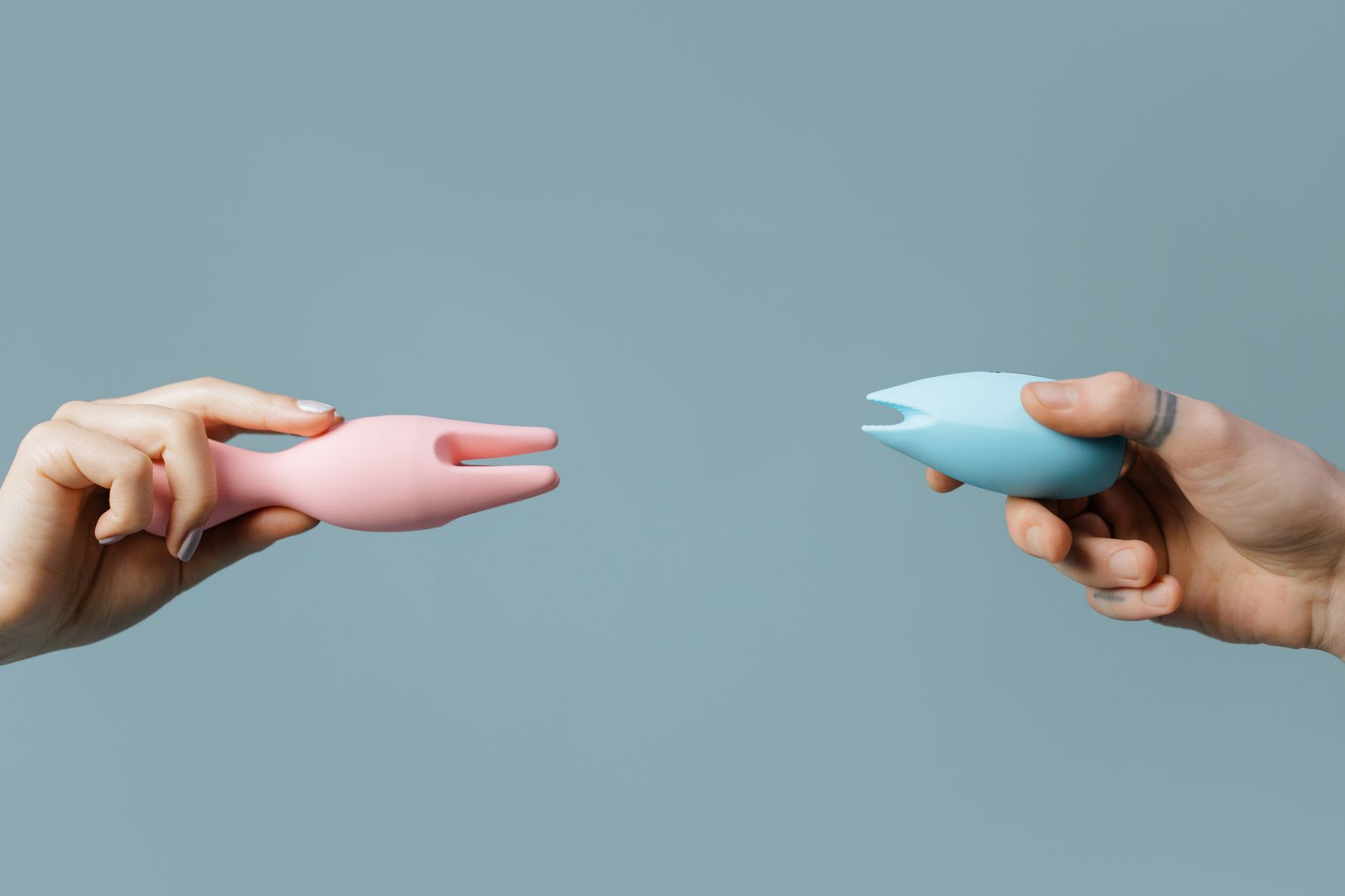
The actual relationship between pain and pleasure
Honestly, the worst part of vulvodynia or chronic pelvic pain isn't always the pain itself. It's the guilt. The belief that you're supposed to just accept numbness, avoidance, and the slow erosion of pleasure from your life. That's not how this works.
Pain and sensation are not the same thing. You can have vulvodynia or pelvic floor dysfunction and still experience deep, satisfying pleasure. Not "despite" the pain. Alongside it, separate from it. The trick is understanding how lemon vibrators work differently when your nervous system is already on alert.
How vulvodynia and pelvic pain change sensation
Vulvodynia is a condition where the vulva experiences chronic pain, burning, rawness, or discomfort without a clear infectious cause. Pelvic floor dysfunction happens when the muscles supporting the bladder, uterus, and bowel become chronically tight or weak. Both conditions sensitize the nervous system.
This means two things happen simultaneously. First, light touch can feel unbearable. Your nerves are already firing at a higher baseline, so gentle stimulation sometimes registers as pain instead of pleasure. Second, your threshold for acceptable sensation is lower. What used to feel just right might now feel too intense.
Here's the part people miss: air-suction lemon clitoral vibrators like the Lem work because they don't rely on direct pressure or vibration intensity. They use suction and pulsing patterns that engage nerve endings without the mechanical friction that can trigger pain responses. That changes the game when you're managing chronic pain.
Why lemon vibrators differ from traditional toys for pain management
Traditional vibrators buzz. They work through sustained, often intense vibration that creates friction against tissue. If your vulva is already hypersensitive, that friction compounds the problem. You end up chasing higher intensities to override the pain, which can leave you exhausted and discouraged.
Lemon suction vibrators work on a completely different principle. Instead of friction, they use rhythmic suction and release patterns. The sensation is more localized, more controlled, and doesn't require you to "numb out" the pain to feel pleasure. You're not fighting against your nervous system. You're working with it.
My clients with vulvodynia often report that suction vibrators feel more tolerable on initial contact, require less warm-up time psychologically (because the sensation doesn't feel aggressive), and produce cleaner pleasure signals to the brain. Translation: your nervous system reads it as enjoyable rather than threatening.
Building a safety-first approach
If you're managing vulvodynia, pelvic pain, or any chronic pain condition, safety isn't boring. It's the foundation that makes pleasure actually possible.
Start with pattern, not intensity. On a lemon clitoral vibrator, begin on the lowest pattern setting, not the lowest power level. Patterns feel gentler than sustained vibration because the pulsing rhythm gives your tissue a micro-break between stimulations. Many people with chronic pain never move beyond pattern 2 or 3. That's completely fine.
Use external suction only, initially. If you own a lem vibrator, position it on the clitoris itself, not penetratively. Let your nervous system adjust to the sensation outside first. Some people never want penetration added to their play, and that's valid.
Expect longer warm-up times. If you have vulvodynia or pelvic floor tension, arousal often takes 20-40 minutes instead of 5-10. This isn't a flaw in your body. It's your nervous system's way of ensuring safety before pleasure. Build this into your expectations. Resentment kills arousal faster than any pain condition.
Have a pain scale conversation with yourself first. Before touching yourself, identify what 0 (no pain), 5 (manageable pain), and 10 (stop immediately) feel like. If sensation crosses into 7 or above, pause. You're not failing. Your body is communicating boundaries that matter.
When vibration might feel worse, not better
Some days, any stimulation will feel overwhelming. This is normal. Chronic pain conditions fluctuate. Stress, inflammation cycles, hormones, and even sleep quality affect your pain baseline.
On those days, the answer isn't to push through. It's to pivot. Self-touch, partner touch without vibration, or just rest are legitimate pleasure practices. A lemon clitoral vibrator is a tool, not a requirement. Using it should add to your life, not become another source of pressure.
If vibration consistently makes pain worse over multiple sessions, talk to a pelvic floor physical therapist. You might have pelvic floor dysfunction that benefits from manual therapy before vibration. Or you might benefit from topical numbing creams used safely alongside toys. There's no shame in adjusting your approach.
The role of your pelvic floor in all of this
Here's something I see constantly misunderstood: the pelvic floor muscles support pleasure. But when you're in chronic pain, those muscles often clench protectively.
Before using a lemon vibrator, spend 2-3 minutes consciously relaxing your pelvic floor. Not Kegels. The opposite. Breathe into your pelvis. Imagine the muscles releasing. Lengthen your exhales. This 90-second practice often changes how vibration feels, because you're not fighting against your own muscle tension while trying to experience pleasure.
If you find yourself clenching during vibration, pause and reset. You're not supposed to white-knuckle your way through pleasure. That's your nervous system saying "too much, too fast." Listen to it.
Using a lemon vibrator with a partner when you're managing pain
Partner dynamics shift when chronic pain enters the picture. The partner often feels uncertain. Am I hurting them? Should I avoid this entirely? Should I push gently?
The clearest thing you can do: communicate before, during, and after. Tell your partner specifically what settings, patterns, and durations feel good. Tell them what your pain looks like when it's rising (sometimes it's not obvious). And give yourself permission to stop mid-session without explaining or apologizing.
Many couples find that using a lemon clitoral vibrator together becomes a way to rebuild intimacy after pain has created distance. The suction sensation often feels less clinical than traditional vibration, which can make shared pleasure feel less medical and more connected.
When to involve a specialist
Vulvodynia often improves with pelvic floor physical therapy. Chronic pelvic pain sometimes responds to nerve blocks, pelvic floor relaxation work, or topical treatments. A pelvic health physical therapist or urogynecologist can assess whether your pain condition will benefit from additional treatment alongside pleasure practices.
You don't need to "heal" completely before exploring sensation again. But if pain is severe, it's worth getting professional eyes on the situation. A good specialist will ask about pleasure and sensation as part of your overall care, not as a separate, optional thing.
The honest truth about pain and pleasure coexisting
I work with many people navigating vulvodynia, pelvic pain, and desire simultaneously. The ones who rebuild pleasure most successfully aren't the ones who push hardest. They're the ones who slow down, listen carefully to their bodies, and separate pleasure-seeking from pain-fighting.
A lemon vibrator can be part of that process. The suction technology works gently, the patterns are customizable, and the sensation doesn't require you to override your nervous system's legitimate warnings. That matters.
Your pleasure is worth protecting. And protecting it means respecting pain as information, not as a problem to overcome.
People also ask
Can you use a lemon vibrator if you have vulvodynia?
Yes, many people with vulvodynia use lemon suction vibrators successfully. Start with the lowest pattern setting on external suction only, and give your nervous system time to adjust. If any sensation triggers pain at 7 or above on your personal pain scale, pause and try again another day. Vulvodynia fluctuates, so what's too intense today might feel manageable next week. Talk to your pelvic health physical therapist before starting to ensure it aligns with your treatment plan.
What's the difference between vulvodynia pain and normal vibrator discomfort?
Normal discomfort from a toy usually feels like it's the intensity level that's wrong. Vulvodynia pain feels like burning, rawness, or stinging even on very low settings. With vulvodynia, the pain often persists after you stop using the toy or worsens over the session. Normal discomfort usually resolves quickly when you turn the toy off. If you're unsure which you're experiencing, consult a healthcare provider before continuing.
How long should you wait between sessions if you have pelvic pain?
There's no universal answer because pelvic pain is individual. Some people need 3-4 days between sessions. Others feel fine using a lemon vibrator every day if the sensation doesn't trigger pain. Listen to your body. If you notice increased inflammation, pain, or pelvic tension after use, space sessions further apart. Your pelvic floor physical therapist can help you identify your personal recovery window.
Are numbing creams safe to use with a lemon vibrator?
Some topical numbing agents are safe with silicone toys, but not all. Lidocaine-based creams can be used if they're designed for genital use and the cream is fully absorbed before toy contact. Never use benzocaine-based products (like those in hemorrhoid creams) on genital tissue. Talk to your healthcare provider about what's safe for your specific pain condition. The goal isn't to eliminate all sensation. It's to find a baseline where pleasure is possible.
Can chronic pelvic pain get worse from vibrator use?
It can if you're using intense settings or pushing through pain signals. The protective response of the pelvic floor is real. If vibration consistently increases inflammation or pain over multiple days, pause and talk to your care team. Sometimes pelvic floor dysfunction needs manual therapy first before vibration feels good. That doesn't mean you can never use a vibrator. It means timing and sequencing matter.
What if a lemon vibrator feels better on some days than others?
That's completely normal with chronic pain. Inflammation levels, stress, sleep, hormones, and even weather affect your baseline pain. On high-pain days, skip the vibrator. On moderate-pain days, try very low settings for short sessions. On good days, explore more. Flexibility is not failure. It's how you sustain pleasure long-term with a chronic condition.
Resources and next steps
If you're navigating vulvodynia or chronic pelvic pain alongside pleasure, consider connecting with a pelvic health physical therapist who specializes in pain management. Organizations like the International Pelvic Pain Society (IPPS) and the Vulvodynia Association offer evidence-based resources and provider directories.
For relationship support during this transition, couples therapy or sex therapy focused on chronic pain integration can help you and your partner rebuild intimacy together. Pain is a shared experience in a relationship, not a solo one.
Softly explore. Listen to your body. Respect your boundaries. That's how you reclaim pleasure when pain is part of your story. And it absolutely is possible.
Ready to explore more? Read about how lemon vibrators work when you have pelvic floor tension from stress or learn why lemon vibrators require less pressure on sensitive tissue for deeper guidance on sensitivity and comfort.