Let's name the thing nobody says out loud
You're fifty-something, or maybe sixty, and you're thinking about trying a lemon vibrator for the first time. And there's this voice in your head that says: this is weird, this is weird for my age, this is not who I am, people like me don't do this. That voice isn't stupid. It's just old.
Here's the truth: anxiety about trying new things with pleasure doesn't mean you shouldn't try them. It means you're sane and you've been taught to feel shame. Those are fixable.
Why anxiety shows up at this particular moment
There are three things happening at once. First, you've spent decades in a single narrative about what sex and pleasure look like for you. That narrative came from your body twenty, thirty, or forty years ago. Your body has changed. Your access to information has changed. Your permission level has changed. So why wouldn't your tools change?
Second, there's the invisibility thing. Women over fifty are not in the marketing, not in the cultural conversation about pleasure, not in the imagery you scroll past. That absence does real work. It tells you: this isn't for you. This is for younger people. People like you stay quiet. People like you settle.
Third, and honestly the biggest one: you're probably worried about judgment. From a partner, from yourself, from some imagined observer. That's not irrational anxiety. That's rational anxiety responding to a real cultural message. The difference is, you can choose not to believe the message anymore.
The decision that matters more than the toy
Before you touch a lemon vibrator, before you research which model, before you figure out the logistics: decide that your pleasure deserves this space. Not because you're trying to prove something. Not because a partner wants you to. But because after fifty years, you've earned the right to be curious about your own body without shame attached.
That decision is ninety percent of the work. The actual toy is just the other ten.
Write it down if you need to. Tell a trusted friend. Say it out loud to yourself. Whatever makes it real. Because what I've seen again and again in my practice is that the women who move through anxiety successfully aren't the ones without fear. They're the ones who decided their own pleasure was worth the discomfort of doing something new.
How to actually start (step by step)
Step 1: Information over impulse. Spend a week just learning. No purchase. Read reviews. Watch unboxing videos (yes, they exist, and they're helpful). Learn how lemon vibrators work, why they feel different from traditional vibrators, what the settings do. This isn't procrastination. This is confidence building. When you understand what you're holding, it feels less foreign.
Step 2: Choose privacy and time. The worst possible scenario for anxiety is: you're rushing, you're worried about being interrupted, you're checking the clock. Pick a time when you have at least twenty to thirty minutes alone. Privacy matters more than you think. Not because anything shameful is happening, but because anxiety needs zero external pressure.
Step 3: Manage the physical environment. This sounds small but it works: nice lighting (not harsh overhead), a closed door, your phone on silent. Some people light a candle. Some people put on music they like. You're not creating a spa experience. You're removing distractions. Anxiety loves distractions.
Step 4: Lower your expectations dramatically. The first time you use a lemon vibrator, the goal is not an orgasm. The goal is: you held it, you turned it on, you felt how it works, you didn't die of embarrassment. That's a win. An actual orgasm? That's a bonus. Removing that pressure is the thing that makes pleasure possible.

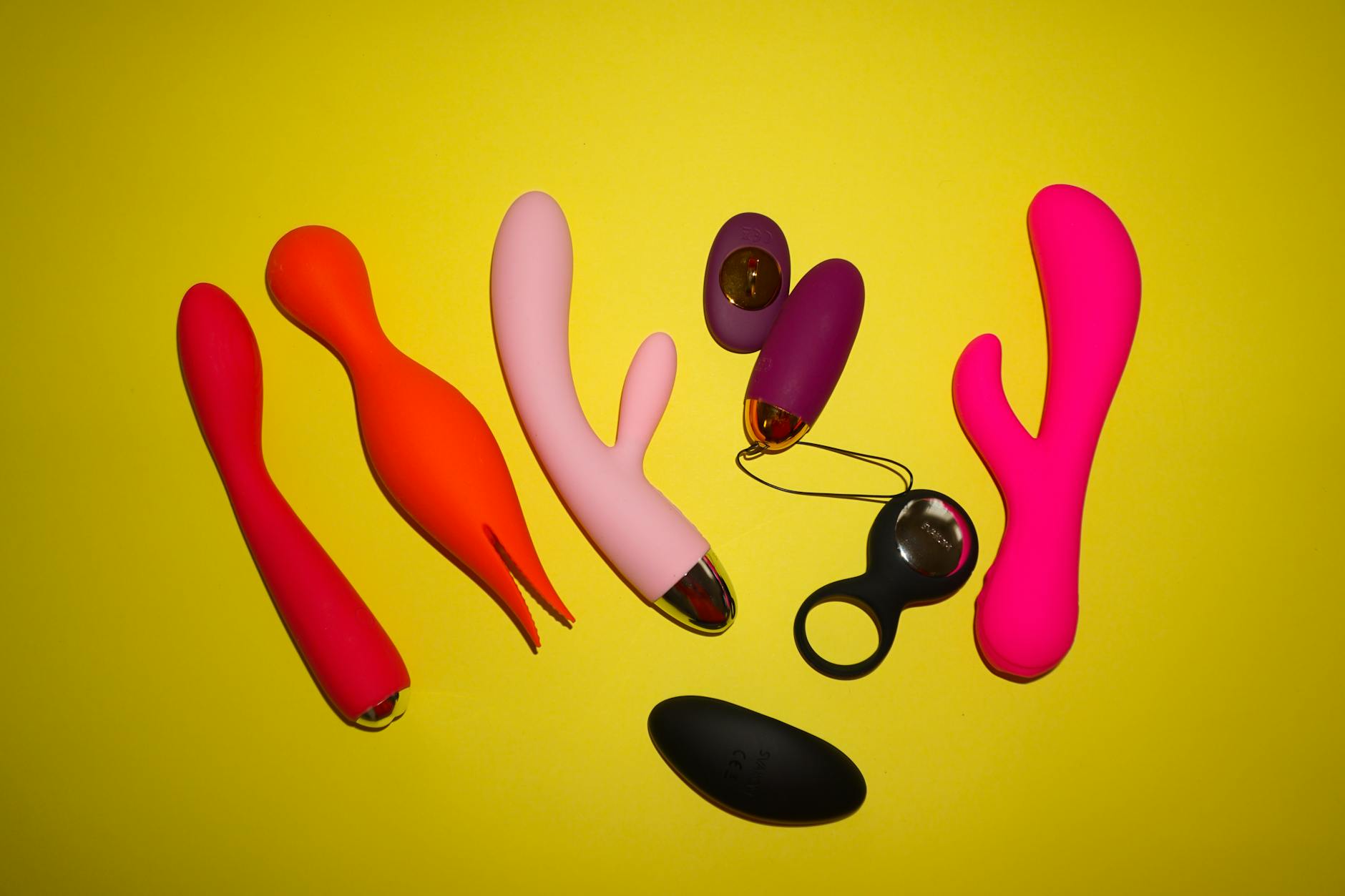
Photo by SHVETS production on Pexels
The specific conversation if you have a partner
Here's where it gets tricky. If you're in a relationship, your anxiety might not be about the toy. It might be about telling your partner. Or worrying they'll feel replaced or insecure.
First: you don't owe anyone a dramatic announcement. This is not a negotiation. You can say, casually, "I ordered something for myself, it's coming Tuesday." Most partners respond with "okay" and move on.
Second: if you want to involve them, the script is simple. "I want to explore something new. It's for me, it's not about you or us, but I wanted you to know." That's it. You're not asking permission. You're not inviting feedback.
Third: if your partner is threatened, insecure, or angry about this, that's information about your relationship that exists separately from whether you deserve pleasure. Write that down for later. Right now, your job is just exploring your own body.
What actually happens when you turn it on
Most people with anxiety imagine that first moment will feel dirty or wrong or like they're betraying something. What actually happens is: it feels weird, mechanical, kind of awkward, possibly kind of good. You might laugh. You might feel embarrassed even though you're alone. You might feel nothing the first time. All of that is completely normal.
The lemon clitoral vibrator uses suction instead of vibration, which means the sensation is different from what you might be used to. It can feel gentler initially. Some people describe it as a pulsing or drawing sensation rather than buzzing. That difference is part of why it works so well for bodies that have been through hormone changes, medication shifts, or decades of a single type of stimulation.
You control the intensity. The first setting might feel like nothing. Move to the second setting. Most people find their sweet spot somewhere in the middle.
Managing the voice that says this is wrong
Anxiety won't disappear the moment you decide to do this. It will probably show up right before you start. That voice will say: this is weird, you're too old for this, what if someone finds out, you should feel ashamed.
Here's what I tell people in my practice: that voice isn't telling you the truth. It's telling you what you were taught. Those are completely different things.
You can acknowledge the voice without believing it. "Okay, brain, I hear you being nervous. We're doing this anyway." That's it. You don't have to convince yourself you're not nervous. You just have to act while you're nervous.
After fifty, you've probably figured out that a lot of things are less scary once you actually do them. This is the same.
What changes after you start
The first time is awkward. The second time is less awkward. By the fifth time, you've settled into your own rhythm and the anxiety mostly disappears because you realize: nothing bad happened. You're the same person. Your relationship is the same. Your life is the same. Except now you know what your body actually likes.
For a lot of people over fifty, the thing that shifts isn't the pleasure itself. It's the permission. Using a lemon vibrator gives you permission to acknowledge that you deserve pleasure that's designed for your body right now, not your body at thirty. That permission extends into other parts of your life in quiet ways.
You stop apologizing for what you want. You start being honest about what feels good. You model for the women around you that pleasure isn't a thing you outgrow. It's a thing you get better at as you learn yourself.
The practical stuff
A few quick things that help with the logistics: water-based lubricant makes everything feel better, especially after fifty. Keep it nearby. Start with the lowest settings. If you're worried about sound, know that lemon vibrators are quieter than traditional vibrators. Clean it before and after with warm water and gentle soap. Store it somewhere private but accessible. Ease that mental friction wherever you can.
You might also find that how lemon vibrators compare to traditional vibrators for clitoral sensitivity helps you understand why this technology works differently for bodies like yours. That knowledge can settle some of the anxiety too.
If anxiety is bigger than this
Sometimes anxiety about pleasure isn't really about the toy. Sometimes it's wrapped up in decades of messaging about your body, your worth, what's acceptable. If reading this brought up a lot of stuff, that's valid. A therapist who specializes in sexual health can help untangle that. There's no shame in needing that support.
For a lot of women over fifty, sex therapy or somatic therapy is the thing that actually unlocks everything. It's not about the toy. It's about permission. If you need professional help getting there, that's not weakness. That's wisdom.
The permission you already have
Here's what I know after decades in this field: women over fifty deserve pleasure that's as thoughtful and intentional as the rest of their lives. You deserve a tool designed for your body. You deserve to explore without shame. You deserve to be curious about sensation. You deserve to say yes to yourself.
The anxiety is real. The shame is learned. The pleasure is waiting. You've got this.
People also ask
Is it normal to feel anxious about trying a lemon vibrator over 50?
Completely normal. You're doing something new in a culture that tells women your age not to. That's actually a sign you're brave, not a sign something's wrong. The anxiety usually fades after the first time you realize nothing bad happens.
What if my partner thinks it's weird?
Most partners don't care once they realize it's not a threat to the relationship. If yours does, that's worth examining separately from whether you deserve pleasure. You don't need permission to explore your own body. If the resistance is really strong, how to introduce lemon vibrators to your relationship without killing the mood has some scripts that help with the conversation.
Will a lemon vibrator feel better than what I've been doing?
Different, not necessarily better. A lot of people over fifty find that the suction sensation of a lemon vibrator reaches parts that traditional vibration doesn't. But your body is unique. First time is about learning what works for you, not chasing someone else's experience.
How do I overcome shame about doing this?
Remind yourself: you're learning about your body. That's not shameful. That's self-knowledge. Write down all the things you were taught about pleasure and your age. Notice which ones are actually true (almost none of them). Talk to a trusted friend if you can. Silence makes shame bigger. Saying it out loud makes it smaller.
What if I'm on medication that affects sensation?
Lemon vibrators actually work really well for bodies on antidepressants, blood pressure meds, or anything else that numbs sensation. The suction mechanism stimulates nerves differently, so it can work around that numbness. If you want more specifics, how lemon clitoral vibrators improve sensation after taking antidepressants walks through it.
How long does it take to feel comfortable using it?
First time: awkward. Second time: less awkward. Third time: you stop thinking about being awkward and start focusing on sensation. By the fifth time, most people have integrated it into their normal pleasure routine. That's usually a few weeks if you're exploring regularly.
Your pleasure matters. Your body matters. Your curiosity matters. Start small, go slow, and give yourself permission to enjoy this.